What is a Base Cabinet and Why is it Essential for Your Kitchen?
Base cabinets are more than just furniture; they form the backbone of any functional kitchen. Renowned kitchen designer Susan Millerick states, "Base cabinets provide essential storage and access for both beauty and function." These cabinets support countertops and house vital kitchen appliances and utensils. Without them, a kitchen may feel chaotic and cluttered.
The importance of base cabinets goes beyond mere aesthetics. They help organize kitchen essentials efficiently. However, not every homeowner realizes their potential. Some settle for standard designs without considering their unique needs. This can lead to frustration and missed opportunities for streamlined cooking and easy access.
Choosing the right base cabinets can enhance workflow and storage capacity. Thoughtful design, appropriate sizing, and quality materials make them indispensable. Investing in quality base cabinets can transform a kitchen into a space that works as beautifully as it looks. Reflecting on your kitchen's layout and storage needs is essential for maximizing efficiency.
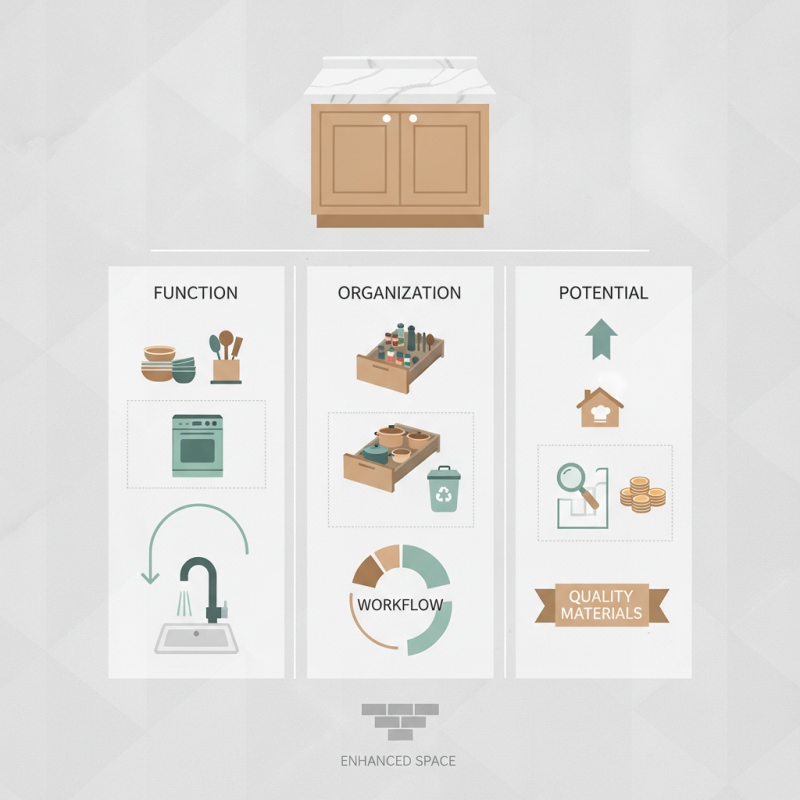
What is a Base Cabinet? Definition and Function in Kitchen Design
Base cabinets are a fundamental component of kitchen design. They are the sturdy foundation that supports countertops and appliances. These cabinets offer much-needed storage space for kitchen essentials. Often, you will find pots, pans, and small appliances tucked away within these cabinets. The design can vary, but their function remains consistent.
A base cabinet typically stands about 34 to 36 inches high. This height aligns well with a standard countertop, creating an ergonomic workspace, allowing for easier meal preparation and cooking. Some designs incorporate drawers, making access to kitchen items effortless.
However, not all base cabinets utilize space wisely. Some may have awkward layouts, making organization a challenge.
In terms of material, base cabinets can be made from wood, laminate, or metal. Each material offers distinct advantages. Wood brings warmth and durability. Laminate is often more affordable and comes in various colors. Metal can add a sleek, modern touch. Yet, the choice of material may not always reflect personal style or functional needs.
When designing your kitchen, it’s essential to reflect on how base cabinets fit your vision and needs, even if it requires some trial and error.
Key Components of Base Cabinets: Materials and Construction Methods
Base cabinets form the foundation of your kitchen. Understanding their materials and construction methods is crucial. Typically, they are made from wood, plywood, or particleboard. Each material has its pros and cons. Solid wood offers durability but can be costly. Plywood provides a strong structure while being lighter. On the other hand, particleboard is budget-friendly but may not last as long.
The construction of base cabinets varies significantly. Joinery techniques play a vital role in overall strength. Dovetail joints and mortise-and-tenon joints are preferable for longevity. Even simple screw and glue joints can be effective for lighter use. However, their reliability can diminish if exposed to moisture over time. An important aspect to consider is the finish. A quality finish protects the cabinet from scratches and stains, but it also affects the appearance.
Many homeowners overlook the significance of soft-close hinges and drawer slides. While they add convenience, they can complicate repairs. It’s essential to prioritize both daily use and long-term maintenance. Even with careful planning, it’s easy to misjudge the need for extra storage or a specific layout. Reflecting on these details can ensure your base cabinets serve you well for years.
What is a Base Cabinet and Why is it Essential for Your Kitchen? - Key Components of Base Cabinets: Materials and Construction Methods
| Component |
Description |
Materials |
Construction Method |
| Cabinet Frame |
The structure that supports the cabinet. |
Plywood, Particleboard |
Face-Frame, Frameless |
| Cabinet Doors |
Panels that provide access to the cabinet interior. |
Wood, MDF, Fiberglass |
Hinged, Sliding |
| Cabinet Drawers |
Removable boxes for storage within the cabinet. |
Plywood, Particleboard |
Dovetail, Box Construction |
| Countertop |
Surface material that sits atop the cabinet. |
Granite, Quartz, Laminate |
Pre-fabricated, Custom |
| Shelves |
Horizontal platforms inside cabinets for storage. |
Plywood, MDF |
Fixed, Adjustable |
Importance of Base Cabinets in Kitchen Workflow and Storage Efficiency
Base cabinets play a crucial role in kitchen design. They provide not only essential storage but also support for countertops and appliances. By optimizing kitchen workflow, base cabinets help create an efficient cooking environment. When placed properly, they minimize unnecessary movements. This means cooking becomes a smoother, more enjoyable process.
The design of base cabinets affects storage efficiency directly. Featuring drawers or pull-out shelves maximizes space, allowing easy access to cooking essentials. Imagine reaching for pots and pans without digging through clutter. However, not all base cabinets are created equal. Some lack sufficient structural support or thoughtful organization. This can lead to frustration during meal prep.
Selecting the right materials and designs also matters. Solid wood can be durable but may require maintenance. On the other hand, laminate options are easier to clean but might not last as long. Finding a balance between aesthetics and functionality can be challenging. A well-thought-out base cabinet system will enhance your kitchen's efficiency, while poor choices may leave you regretting your decisions.
Industry Standards: Dimensions and Specifications for Base Cabinet Design
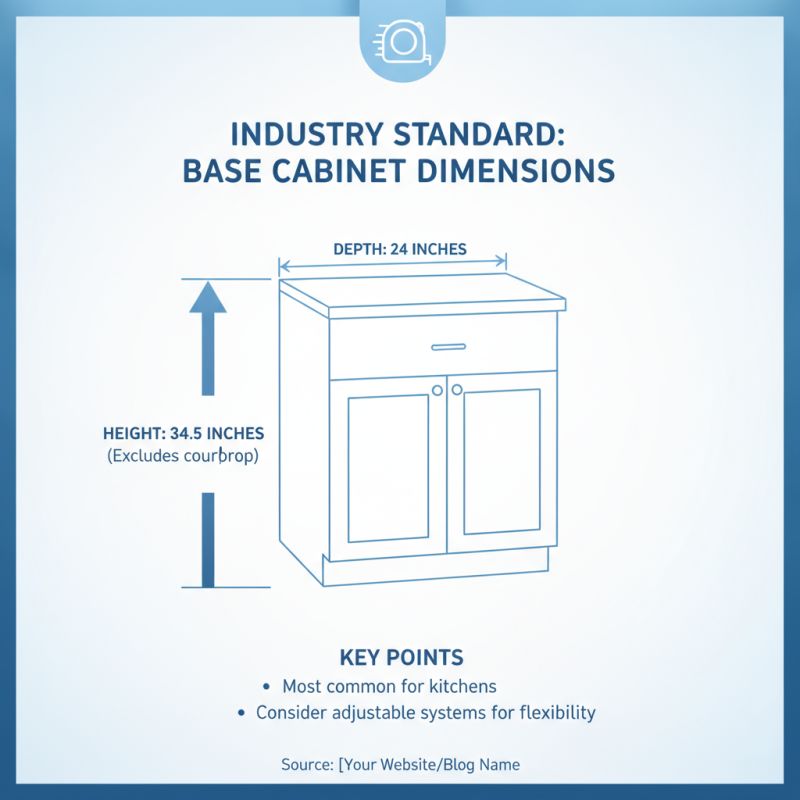
When designing a kitchen, understanding base cabinet dimensions is crucial. The industry standard height for base cabinets is typically 34.5 inches, excluding countertops. This height works for most people but may not suit everyone. Consider adjustable systems for flexibility. Depth usually remains at 24 inches, allowing ample storage without crowding the kitchen space.
Width varies significantly based on design preferences. Standard modules range from 12 to 48 inches. This variability supports various kitchen layouts, from galley to L-shaped designs. However, custom builds might be necessary for unique spaces. Be mindful of the area: leaving enough room for doors and appliances is vital.
While following these standards, individual needs must guide decisions. Think about accessibility and usability. Some may need lower cabinets for easy access. Additionally, aesthetics play a role. Your kitchen should feel cohesive and functional. Balancing standards with personal touches often requires compromise. Embrace the process; it's essential to create a kitchen that works for you.
Choosing the Right Base Cabinets: Trends, Styles, and Budget Considerations
When selecting base cabinets, it’s crucial to consider trends, styles, and budget. According to a recent report by the National Kitchen and Bath Association, nearly 80% of homeowners prioritize functionality in their kitchen design.
Base cabinets are the foundation of this functionality. They provide necessary storage and support countertops while enhancing the kitchen’s overall aesthetic.
Styles for base cabinets vary tremendously. Shaker cabinets are popular due to their classic charm, while flat-front designs appeal to modern tastes. The choice often depends on personal preference and the existing kitchen design.
A study by Remodeling magazine highlights that kitchens tend to offer the best returns on investment, with an average of 72% recouped in home value.
When budgeting, remember the hidden costs. Installation fees can add up. Also, custom cabinets might stretch your budget but could enhance your kitchen's usability.
Tip: Focus on the layout of your kitchen. Ensuring easy access to essential tools can save you time during meal prep.
Tip: Consider the durability of materials. Plywood offers better resilience than particleboard, which may warp over time. Choose wisely based on your cooking habits.