What is the Best Closet Storage Solution for Your Needs?
Finding the best closet storage solution can transform your space. Experts emphasize the importance of investing in a system tailored to your needs. Professional organizer Marie Kondo once said, "The goal of storing is to be able to find your things when you need them."
Closet storage is not one-size-fits-all. Every individual has unique needs and preferences. A well-organized closet can maximize your space and enhance your daily routine. However, many overlook this potential. They stick with outdated systems that do not suit their current lifestyle.
Reflecting on your closet's layout may reveal areas for improvement. Think about what items clutter your space. Are you holding onto clothes you never wear? An effective closet storage solution encourages regular evaluation. It promotes a balance between utility and aesthetics. Your closet should function seamlessly for you.
Understanding Different Types of Closet Storage Solutions
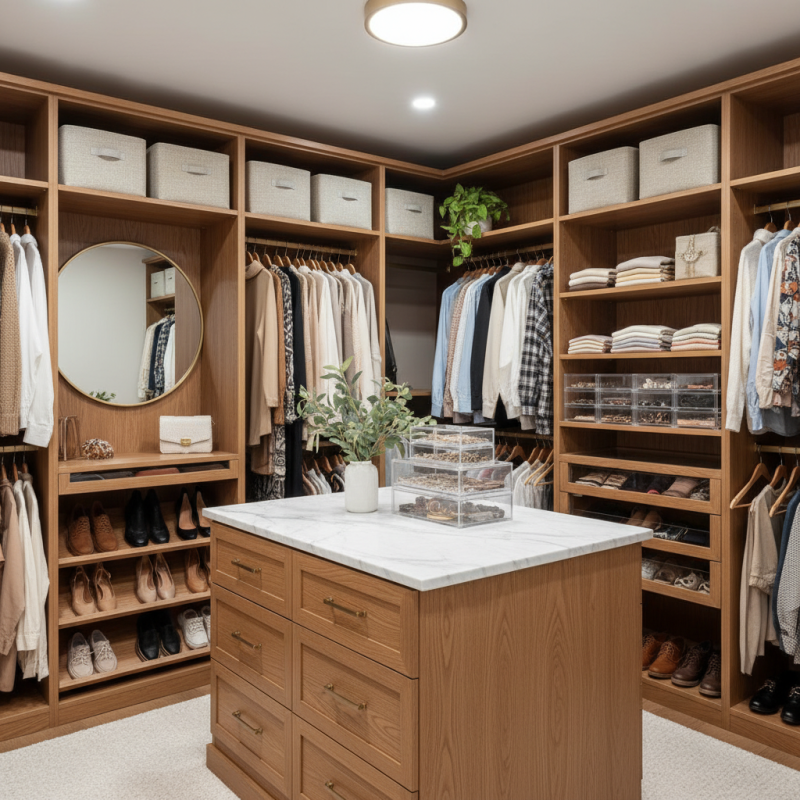
When considering closet storage solutions, it's essential to understand the various types available. The most common option is shelving. Adjustable shelves can cater to your changing storage needs. They allow you to create a space that fits your clothing, shoes, and accessories. However, finding the right height can be tricky. Sometimes, it requires trial and error to achieve the perfect arrangement.
Another popular solution is hanging rods. These are ideal for garments that need to be kept wrinkle-free. A double hanging rod maximizes vertical space, but it may not suit long dresses or coats. It's a balance between accessibility and organization. Many people underestimate how crucial proper hangers are for maintaining garment shape.
Drawers and bins can provide hidden storage, keeping items out of sight. They are great for seasonal clothing or personal items. However, they can quickly become cluttered. You might find it hard to locate what you need. This raises a question—are you truly optimizing your closet space? Assessing your needs and experimenting with different systems might yield unexpected insights.
Assessing Your Storage Needs Based on Closet Size and Usage
Assessing your storage needs begins with understanding your closet size. A small closet may require different solutions than a large one. If your closet is cramped, consider vertical storage options. Shelves and hooks can maximize space efficiently. Use every inch wisely.
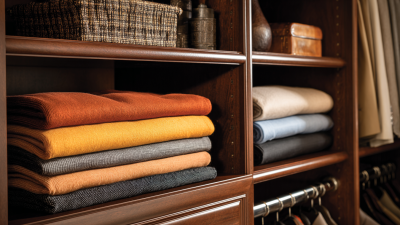
Next, think about how you use your closet. Are you storing seasonal clothes or everyday outfits? For seasonal storage, bins that stack neatly can free up space. If you access items frequently, make sure they are within reach. This can be a challenge in larger closets, where things get lost. A careful strategy is essential.
Reflecting on your organization habits matters too. If you often find yourself digging through piles, a more structured approach may be needed. Using clear containers can help you see inside without rummaging. A well-thought-out system can save you time and reduce frustration. Remember, even the best solutions might need adjustment over time. Don't be afraid to revisit and improve your setup.
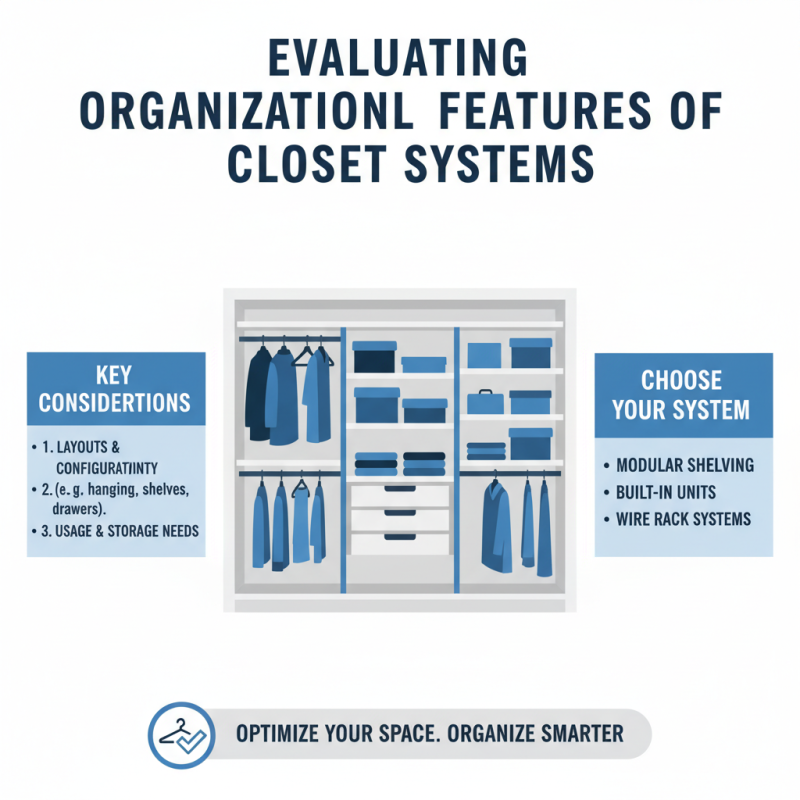
Evaluating Organizational Features of Closet Systems
When choosing the best closet storage solution, evaluating organizational features is crucial. Various systems offer different layouts and functionalities. Think about how you use your space and what items you need to store.
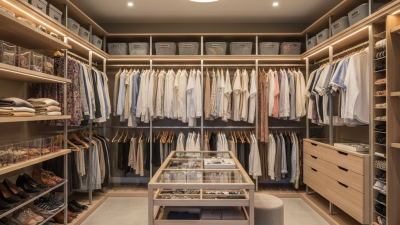
A well-designed closet system contains adjustable shelves, hanging rods, and containers. Adjustable shelves allow you to customize the height for various items. This flexibility is vital, especially if your storage needs change over time. Hanging rods should be positioned for easy access to clothes, keeping them wrinkle-free.
Consider the materials used. Sturdy options ensure your system won't sag under weight. Look for features that promote airflow, preventing musty odors. However, not every feature suits every individual. Take time to assess your habits and storage style. You may find gaps in your organization that need addressing. Reflect on what works and what doesn’t. A perfect solution may be elusive, but small adjustments can lead to significant improvements.
Comparing DIY and Pre-Made Closet Storage Options
When it comes to optimizing closet space, choosing between DIY and pre-made options can be challenging. DIY solutions often allow for greater customization. You can tailor them to fit your specific needs and preferences. A report from the Home Improvement Research Institute indicated that 37% of homeowners prefer DIY projects for their flexibility.
However, pre-made options provide convenience and reliability. They can save time and often come with detailed guidelines. According to a recent survey by the National Association of Home Builders, 62% of buyers consider pre-made storage solutions because of their ease of installation. These systems typically feature standardized sizes, which can limit customization but ensure a professional look.
Budget is also a significant factor. DIY systems can vary widely in cost, from budget-friendly to high-end materials. Pre-made units often have fixed pricing. A 2021 market analysis found that the average cost of DIY storage ranged from $300 to $1,200, depending on materials used. In contrast, pre-made storage systems usually start around $500 for basic setups. Reflecting on these aspects can help homeowners make informed choices that align with their needs.
Maximizing Space with Innovative Storage Techniques
Maximizing closet space can significantly enhance organization in any home. According to a recent report by the National Association of Home Builders, well-organized closets increase a home's value by up to 20%. Innovative storage techniques can help achieve this efficiency. For instance, incorporating vertical storage solutions can double the usable space in a closet.
Using cascading hangers allows you to store multiple garments in a single vertical area. Furthermore, clear bins can help you utilize every corner without losing track of what's inside. A study from the American Closet Association indicates that 65% of homeowners struggle with closet organization. Many overlook the impact of ineffective storage techniques on daily routines.
Reflecting on personal organization habits can often reveal areas needing improvement. A poorly arranged closet can foster frustration and clutter. Implementing modular shelving or pull-out drawers may require an initial investment, but the long-term benefits of accessibility can outweigh these costs. Embracing innovative solutions is key to transforming spaces and maximizing functionality.