Leave Your Message

10 Best Clothing Racks for Retail Buyers?

Retail buyers face a practical challenge: choosing racks that support sales without wasting valuable floor space. Clothing Racks must hold garments securely, fit store layouts, and remain presentable during busy trading hours. A rack may look sturdy in a product photo, yet feel unstable when loaded with winter coats. Small details matter.

This guide evaluates ten leading options for retail buyers. The assessment considers construction materials, weight capacity, dimensions, adjustability, mobility, finish quality, and maintenance needs. We also examine how each rack performs in real retail settings, from narrow boutiques to high-volume clothing stores. Load capacity matters. So does daily movement. Welded steel usually offers dependable strength, while adjustable designs can improve merchandising flexibility. Locking casters are especially useful when displays change frequently.

Reliable recommendations should reflect more than appearance or a low purchase price. Supplier transparency, warranty coverage, replacement parts, and customer feedback can reveal long-term value. Where possible, buyers should compare product specifications with their own garments, floor plans, and staffing routines. A rack suitable for lightweight shirts may fail under denim or heavy outerwear. That matters.

No ranking is flawless. Store priorities differ, and an attractive rack may not suit every budget or layout. This overview therefore highlights practical strengths, possible limitations, and the situations where each choice makes sense. The goal is not to promote one universal answer. It is to help buyers make a confident, evidence-informed decision before investing in their next retail display system.
10 Best Clothing Racks for Retail Buyers?

Types of Clothing Racks and Their Retail Applications

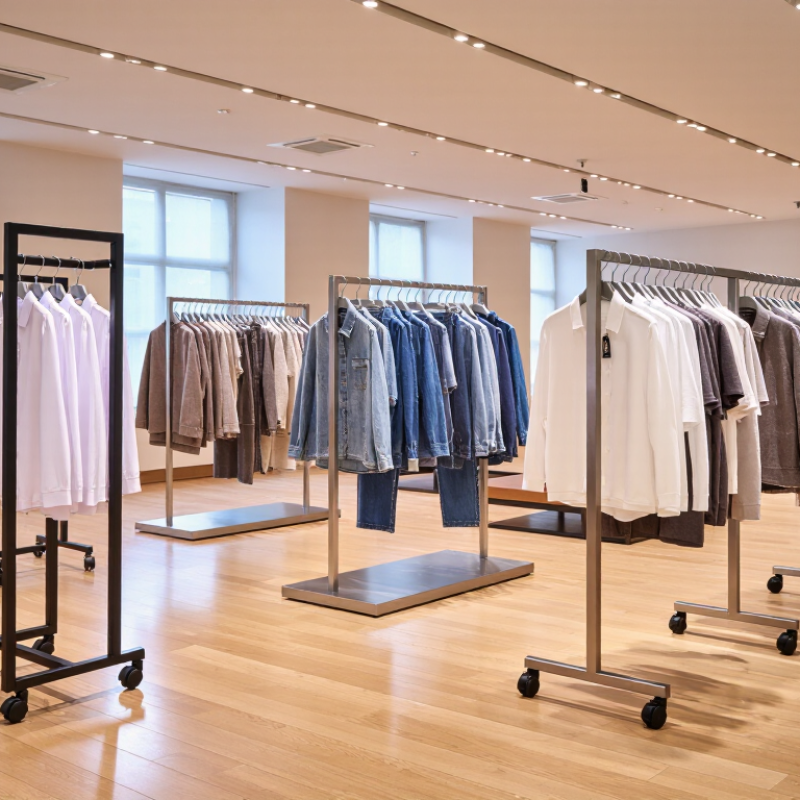
For retail buyers comparing the ten best clothing racks, application matters more than appearance. Straight racks suit basic, size-ordered stock along walls or narrow aisles. Round racks create 360-degree browsing for promotions and seasonal collections. Four-way racks display shirts, trousers, or coordinated outfits at eye level. Waterfall arms help buyers inspect garments without removing every hanger.

Wall-mounted rails save floor space in compact stores. Nesting racks support flexible layouts during sales events. Mobile racks work well for pop-up zones, stock rotation, and click-and-collect areas. The U.S. Census Bureau reported that e-commerce represented 16.1% of U.S. retail sales in 2024. Therefore, retailers should leave space for pickup and return handling, not only browsing. That detail is easy to miss.

NRF and Happy Returns estimated $890 billion in U.S. merchandise returns during 2024, equal to 16.9% of annual retail sales. Flexible racks can separate returned, inspected, and ready-to-sell garments. Gridwall systems also support accessories beside clothing, increasing vertical selling space. A heavy steel rack may feel professional, but it can slow seasonal changes. I would test wheel quality, load stability, hanger spacing, and customer flow before purchasing. Store plans often look perfect. Real shoppers behave differently. Sources: U.S. Census Bureau, Quarterly Retail E-Commerce Sales, 2024; NRF and Happy Returns, 2024 Consumer Returns in Retail.
Key Features Retail Buyers Should Compare

10 Best Clothing Racks for Retail Buyers?

Key Features Retail Buyers Should Compare

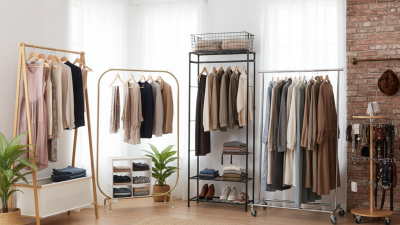
A strong clothing rack must fit daily retail pressure, not only look attractive. Compare frame material, weld quality, wheel construction, and stated load capacity. Steel usually handles heavier garments, while aluminum reduces moving effort. Check whether the base stays stable when customers pull one item from the middle. A practical buying lesson is simple: the strongest rack is not always the easiest to reposition. Measure aisle width, doorway clearance, and storage depth before ordering.

Flexibility also affects sales performance. Choose adjustable heights, removable arms, and compatible accessories for shirts, coats, and folded goods.

According to the National Retail Federation and Appriss Retail’s 2024 report, consumers returned an estimated 16.9% of annual retail sales, worth about $890 billion in the United States.

Efficient racks can support clearer sorting during returns and stock recovery. Lockable casters matter near busy entrances. Smooth wheels reduce sudden movement and floor damage. I would still test them on the actual floor surface, because product specifications rarely show real friction.

Tips: Request a load test, assembly guide, and replacement-parts policy. Inspect sharp edges and loose joints. Compare packed dimensions, not only display dimensions. Count how many garments fit without crowding. A crowded rack hides fabric, color, and size labels. Leave room for hands. Recheck the layout after one busy weekend; customer behavior often exposes assumptions buyers missed.

How to Choose Racks for Store Layouts and Product Categories

10 Best Clothing Racks for Retail Buyers

How to Choose Racks for Store Layouts and Product Categories

Choosing clothing racks starts with customer movement, not product quantity. In retail projects, I measure aisle width, sightlines, and fitting-room traffic before selecting equipment. A tall double rail can hold more garments, but it may block displays behind it. Low racks preserve visibility and help shoppers scan a collection quickly. Use sturdy racks near entrances, where frequent handling tests every joint. Keep lighter mobile racks for seasonal edits. Small details matter.

Match the rack form to each product category. Shirts and folded knitwear work well on single rails with shelves. Dresses need taller hanging space and enough clearance for hems. Jeans benefit from tiered arms or tables that support size grouping. Accessories need narrow fixtures near checkout, not crowded between full-length garments. For premium pieces, leave more breathing room. Empty space can look intentional, though too much may suggest weak stock.

Check load ratings, wheel locks, finish quality, and cleaning access before ordering. I also test a sample rack with real garments, not empty hangers. A layout can look balanced on paper and still feel awkward in person. I have made that mistake. Staff should move fixtures without lifting too much, and customers should pass without brushing sleeves. Measure again after installation. Store plans change, and a rack chosen for one category may become inconvenient when inventory or traffic shifts.

10 Best Clothing Racks for Retail Buyers? - How to Choose Racks for Store Layouts and Product Categories

The specifications below represent common commercial clothing-rack ranges. Actual dimensions and load ratings vary by construction, materials, caster design, and supplier testing. Always confirm the tested capacity and required floor clearance before purchasing.

No. Rack Type Typical Dimensions
(W × D × H)
Typical Load Capacity Best Product Categories Recommended Store Layout Key Features Main Advantages Potential Limitations
1 Straight Garment Rack 90–150 cm × 45–60 cm × 140–180 cm 45–90 kg Shirts, blouses, trousers, jackets, and coordinated collections Perimeter walls, wall bays, and organized linear runs Single horizontal hanging rail; available with adjustable feet or casters Efficient use of wall space; easy to arrange by size, color, or collection Limited front-facing display space; long runs can make browsing less interactive
2 Round or Circular Rack 90–150 cm diameter × 120–150 cm high 50–100 kg Sale merchandise, basic apparel, denim, and high-volume items Center floor, promotional zones, and clearance areas Circular rail with multiple browsing positions; often includes a central post Holds many garments in a compact footprint; supports 360-degree browsing Can become crowded; requires sufficient space around the rack for customer circulation
3 Four-Way Rack 75–100 cm × 75–100 cm × 120–180 cm 40–80 kg Outfits, seasonal collections, denim, and color-coordinated displays Feature areas, cross-merchandising zones, and central aisles Four arms or rails; arms may be stepped, flat, fixed, or adjustable Displays several product groups at once; creates a strong visual focal point Uses more floor area than a straight rack; uneven loading may affect stability
4 Double-Rail Rack 90–150 cm × 50–70 cm × 140–180 cm 70–140 kg Heavy jackets, coats, suits, uniforms, and dense apparel assortments Back-of-store departments, perimeter runs, and stock-heavy zones Two parallel hanging rails; commonly made from steel tubing Provides high hanging capacity within a relatively narrow footprint Lower rail access may be less convenient; can visually reduce openness in small stores
5 Adjustable Height Rack 90–150 cm × 45–60 cm × 100–180 cm 45–90 kg Mixed apparel, children's clothing, accessories, and changing seasonal displays Flexible zones, pop-up areas, and stores with frequently changing layouts Height-adjustable posts or rails; some models include locking mechanisms Adapts to different garment lengths and customer groups; supports visual flexibility Adjustment hardware may require tools; moving parts need regular inspection
6 Mobile Rack with Casters 90–180 cm × 50–70 cm × 140–180 cm 60–150 kg Replenishment stock, event merchandise, temporary collections, and flexible displays Open sales floors, stockrooms, and stores with frequent merchandising changes Locking swivel casters; tubular frame; optional side supports or lower shelf Easy to relocate for cleaning, events, deliveries, or layout changes Casters increase cost and maintenance needs; rolling performance depends on floor quality
7 Wall-Mounted Rail System 60–240 cm × 25–40 cm × 100–240 cm 30–80 kg per rail Premium apparel, capsule collections, shirts, and minimalist assortments Perimeter walls and narrow retail spaces Fixed brackets or standards with horizontal rails; uses vertical wall space Maximizes floor area; creates a clean and spacious presentation Requires suitable wall structure and professional installation; less portable
8 Garment Rack with Shelves 90–150 cm × 45–70 cm × 140–200 cm 60–120 kg total Folded knitwear, jeans, footwear boxes, bags, and mixed apparel displays Department entrances, wall bays, and outfit presentation zones Hanging rail combined with one or more lower or upper shelves Combines hanging and folded presentation; supports complete outfit merchandising Shelves reduce hanging clearance; overloaded shelves may affect frame stability
9 Display Ladder Rack 60–100 cm × 35–55 cm × 160–220 cm 25–60 kg Light garments, scarves, accessories, small collections, and visual displays Entrance statements, boutique corners, and low-volume feature areas Tiered rails or bars arranged in a ladder configuration Creates vertical visual interest; displays different product levels clearly Lower capacity than commercial double-rail systems; unsuitable for very heavy garments
10 Four-Post Gondola Rack 90–120 cm × 60–90 cm × 120–180 cm 80–180 kg Large assortments, folded apparel, accessories, and multi-category merchandise Center-floor departments, grid layouts, and high-density retail areas Freestanding uprights with adjustable rails, shelves, hooks, or panels Highly configurable; supports both hanging and non-hanging merchandise Can create visual barriers; requires careful aisle planning and even weight distribution

Top Clothing Rack Options for Different Retail Needs

10 Best Clothing Racks for Retail Buyers?

Top Clothing Rack Options for Different Retail Needs

Choosing the right clothing rack starts with the store’s selling rhythm, not appearance alone. A double-rail rack suits high-volume basics and uses vertical space efficiently. A round rack works well for clearance items, though crowded merchandise can reduce browsing comfort. Four-way racks separate shirts, trousers, or seasonal collections with adjustable arms. Waterfall arms help display outfits facing forward, making details easier to inspect. They need more floor space.

Mobile garment racks support frequent layout changes and pop-up retail. Choose lockable wheels and a stable base for safer movement. Wall-mounted racks keep narrow aisles open and create a cleaner visual line. Grid racks offer flexibility because shelves, hooks, and baskets can be repositioned. For heavy coats, select reinforced rails with a verified load rating. Decorative racks may look refined, but weak joints become obvious during busy periods.

I once underestimated rack depth in a compact shop. Customers struggled to pass each other. That mistake changed my buying checklist.

Measure aisle width, ceiling height, garment weight, and hanger spacing before ordering. Collapsible racks are useful for temporary events, but some wobble on uneven floors. Check welds, wheel brakes, coating quality, and replacement-part availability.

A practical test matters: hang a full row of garments and move the rack slowly. Listen for flexing or rattling. Small flaws matter.

Retail buyers should also consider assembly time, storage needs, and whether the rack can adapt when merchandise changes.

Buying, Installation, and Maintenance Considerations

Choosing among the 10 best clothing racks for retail buyers requires more than comparing appearance and price. Measure the sales floor, doorway width, ceiling height, and storage route before ordering. A rack that fits online may block a service aisle in practice. Check its load capacity, base stability, finish quality, and compatibility with local electrical or fire-safety requirements. Steel usually handles heavy garments well, while lighter materials suit temporary displays. Ask for assembly instructions and replacement-part availability. Small details matter.

Installation should match the rack’s intended use. Freestanding units need level flooring and balanced weight distribution. Wall-mounted racks require suitable anchors, not simply ordinary screws. I have seen overloaded rails pull away from weak surfaces during busy periods. Leave enough space between fixtures for shoppers, carts, and staff movement. Tight layouts look efficient but often create damaged garments and slower cleaning. Use a spirit level, tighten every connection, and inspect the rack after its first week.

Maintenance is easier when staff follow a short inspection routine. Check welds, bolts, wheels, hooks, and sharp edges each week. Remove dust from joints before it becomes abrasive. Clean finishes with mild products, then dry them fully. Keep a simple record of repairs and recurring faults. Some racks advertised as “heavy duty” still bend under uneven loads. That deserves careful questioning, not blind trust. Review the layout after seasonal changes, because yesterday’s convenient position may become tomorrow’s hazard.