Best Kitchen Layout Tips for Maximum Efficiency and Style?
A well-planned Kitchen Layout is essential for creating a functional and stylish cooking space. The right layout not only enhances efficiency but also reflects your personal taste. Everyone has different needs and preferences when designing a kitchen. This makes a one-size-fits-all approach ineffective.
When considering your Kitchen Layout, focus on practicality. Think about your cooking habits and daily routines. If you often host gatherings, flow is crucial. Are your fridge, stove, and sink positioned conveniently? Measure your space carefully to avoid common mistakes. A poorly laid out kitchen can lead to frustration.
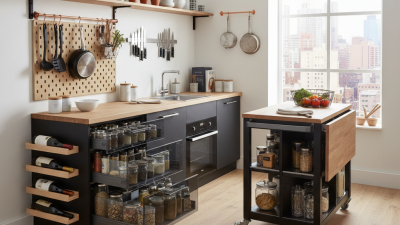
Incorporating storage solutions is vital for an efficient kitchen. Open shelves can add style, but they may require regular maintenance. Reflect on how you utilize your kitchen items. Sometimes, the most stylish options aren't the most practical. Balancing aesthetics with functionality can be challenging. Explore various styles, but always prioritize your unique needs.
Understanding Different Kitchen Layouts: Pros and Cons
When planning a kitchen layout, understanding the pros and cons of different designs is crucial. The classic U-shape layout offers ample counter space, promoting efficiency. A 2022 kitchen design report shows that 68% of homeowners prefer this setup. It allows multiple cooks to work concurrently without crowding each other. However, some may find it limiting in smaller spaces.
On the other hand, the L-shaped layout provides flexibility. It works well in various kitchen sizes, accommodating open floor plans. A survey conducted by the National Kitchen and Bath Association revealed that 45% of respondents favor this layout for its accessibility. Yet, open designs can lead to noise and distractions, especially in a bustling household.
Finally, the galley kitchen excels in narrow spaces. A report from the American Institute of Architects highlights its efficiency. It typically features a linear design that minimizes movement. Yet, this layout can feel cramped and may lack social interaction. It's important to assess your cooking habits and lifestyle to choose the right layout. Each option has its benefits and drawbacks, reflecting individual needs.
Best Kitchen Layout Tips for Maximum Efficiency and Style
| Kitchen Layout Type |
Pros |
Cons |
Best For |
| U-Shaped |
Excellent for multiple cooks; maximizes storage |
Can be cramped in small spaces |
Large families or frequent entertainers |
| L-Shaped |
Flexible layout; open to other spaces |
May require a large corner for efficiency |
Small to medium-sized kitchens |
| Galley |
Efficient workflow; compact design |
Limited counter space; can feel narrow |
Single cooks and narrow spaces |
| Island |
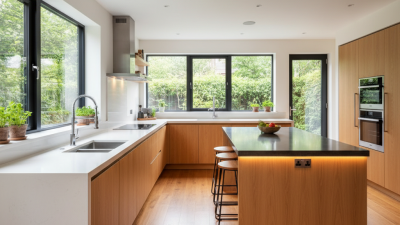
Versatile workspace; encourages socializing |
Requires ample space; can be expensive |
Open and spacious kitchens |
| Open Concept |
Seamless flow; great for entertaining |
Less separation; can lead to smell and noise issues |
Modern living; larger households |
Key Factors to Consider for Efficient Kitchen Workflow
When designing a kitchen, workflow efficiency is paramount. Studies indicate that a well-planned kitchen layout can enhance cooking speed by 30%. The classic triangle layout—connecting the sink, stove, and refrigerator—remains popular for a reason. This arrangement allows for seamless movement and reduces unnecessary steps, improving overall efficiency.
Another key factor is counter space. A report from the National Kitchen and Bath Association notes that kitchens with a minimum of 36 inches of clear counter space significantly boost usability. This space fosters organization and minimizes clutter, which is essential for a smooth workflow. Dish prep becomes effortless when you can easily access tools and ingredients.
However, not all layouts work for every chef. Inadequate space can lead to frustration, making cooking less enjoyable. Many homeowners overlook the importance of an open floor plan. An enclosed kitchen may hinder airflow and visibility. Reflecting on your layout is critical. Ensure it meets your specific cooking needs, promoting both style and productivity.
Incorporating Stylish Design Elements into Kitchen Layouts
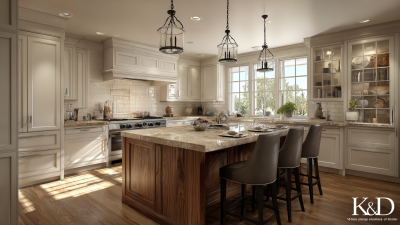
A well-designed kitchen goes beyond functionality. It merges efficiency with style, creating a welcoming space. Incorporating stylish design elements can enhance both aesthetic appeal and workflow. In fact, a survey by Houzz found that 75% of homeowners prioritize both style and functionality in their kitchen layouts.
Selecting the right materials plays a crucial role. For example, using quartz countertops not only adds elegance but also ensures durability. A leading design report shows that 50% of buyers prefer open shelving. This choice can provide visibility, yet it requires regular organization. Balancing form and function is key.
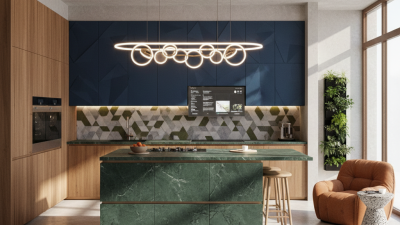
Lighting is another critical aspect. Ambient lighting sets the mood, while task lighting offers practicality. A study indicated that kitchens with ample natural light can increase a home's value by up to 20%. Yet, achieving the right balance between natural and artificial light can be tricky. Overhead fixtures can clash with decorative elements, leading to a disjointed look. A cohesive design reflects both personal style and efficient architecture.
Maximizing Storage Solutions in Kitchen Design
Maximizing storage solutions in kitchen design is essential for both efficiency and style. According to a 2022 study by the National Kitchen and Bath Association, 61% of homeowners prioritize storage options when redesigning their kitchens. With limited space, it’s crucial to utilize every inch effectively.
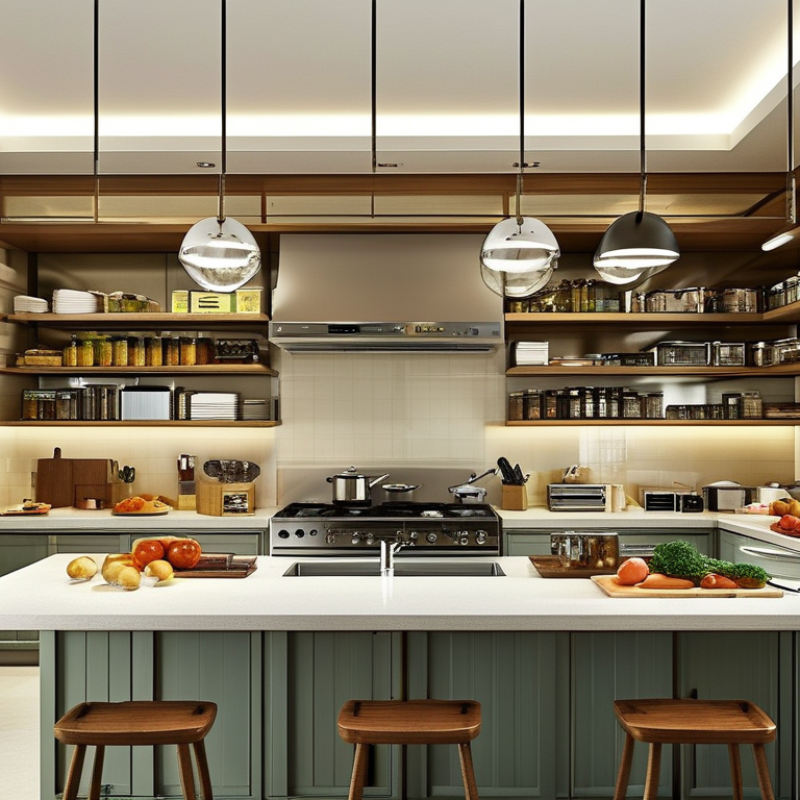
Incorporating open shelving can create an airy feel while providing easy access to frequently used items. It allows for personal touches, showcasing your unique style. Consider using vertical space. Tall cabinets can store rarely used appliances. Integrating pull-out drawers or lazy Susans in corner cabinets enhances accessibility and organization.
Lighting plays a critical role too. Properly lit areas can make you feel more productive and inspired. Consider under-cabinet lighting to highlight countertops and storage solutions. Remember, balance is key. While maximizing storage, ensure the aesthetic remains harmonious. Overcrowded spaces may lead to frustration. Reflect on your kitchen needs regularly to adapt and improve. Efficient storage should not compromise design; aim for a seamless blend of both.
Best Kitchen Layout Tips for Maximum Efficiency and Style
Creating a Functional Work Triangle in the Kitchen
Creating a functional work triangle in the kitchen is essential for efficiency. The work triangle connects the three main areas: the stove, the sink, and the refrigerator. This design improves workflow. Ideally, these points should form a triangle, with each side measuring 4 to 9 feet.
An efficient layout minimizes movement during cooking. When the stove sits close to the sink, it allows quick access to water. Similarly, the refrigerator should be accessible without disrupting this flow. However, many kitchens have areas where this triangle is compromised. Clutter can disrupt the triangle, making it hard to move freely. Evaluate your space and observe your cooking habits.
Considering your unique style is also important. Visual appeal should not be sacrificed for function. Experiment with different arrangements. Sometimes, an unconventional layout may suit your preferences better. Reflect on your kitchen’s strengths and weaknesses. Balancing efficiency and style fosters a more enjoyable cooking experience.