China Top Kitchen Design Trends for Global Buyers in 2026?
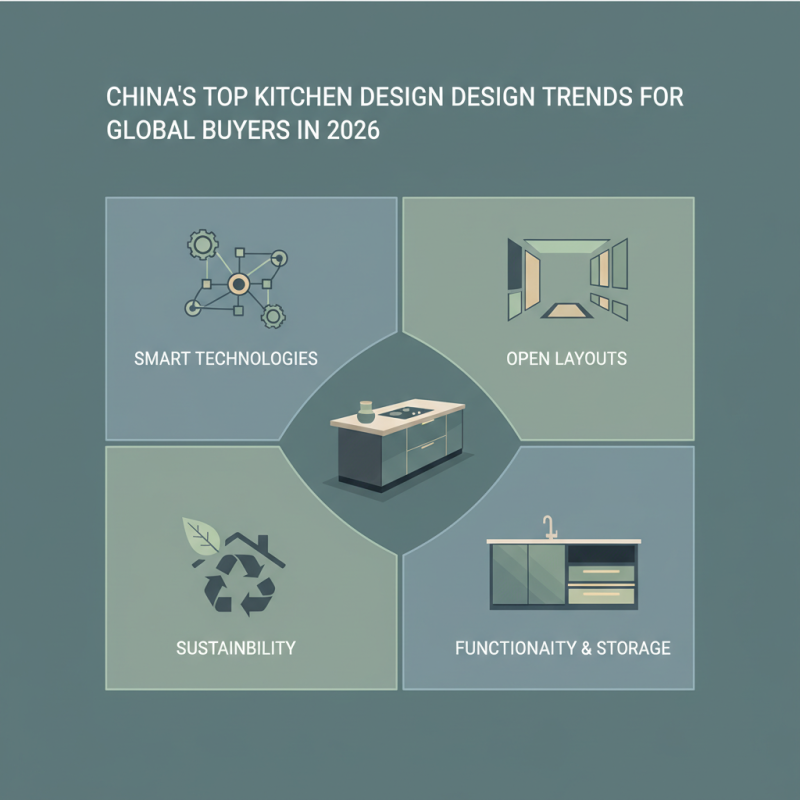
As we look ahead to the kitchen design trends in 2026, the landscape is rapidly evolving. Global buyers are increasingly drawn to kitchens that combine functionality with aesthetic appeal. The integration of smart technologies in kitchen design has become a game changer. Imagine a space where appliances anticipate your needs, making cooking more efficient.
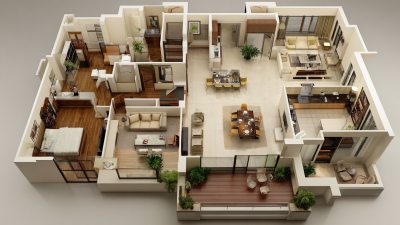
Sustainability is another critical factor influencing kitchen design. Eco-friendly materials are becoming essential. Buyers are seeking designs that reduce waste and energy consumption. Open layouts that encourage connection and collaboration are gaining popularity too. These features reflect modern living and foster family interaction.
Yet, not all trends are without flaws. The rush for high-tech solutions may overlook user-friendliness. Some designs may sacrifice practical storage for style. Vigilance is needed to ensure that kitchens remain functional spaces, not just beautiful ones. The future of kitchen design offers exciting opportunities, but careful consideration is key.
Emerging Color Palettes in Chinese Kitchen Design for 2026
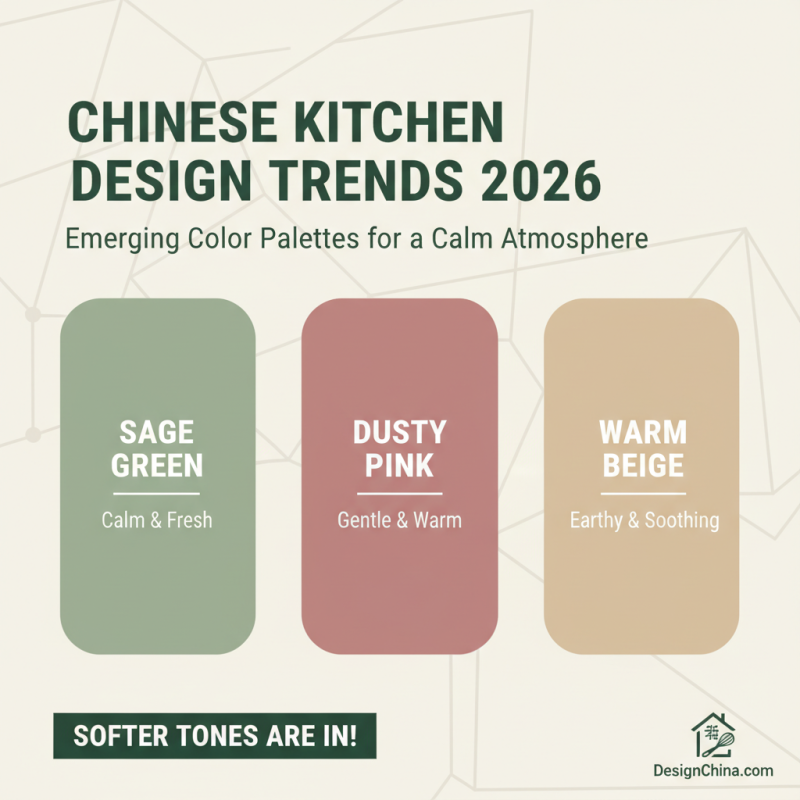
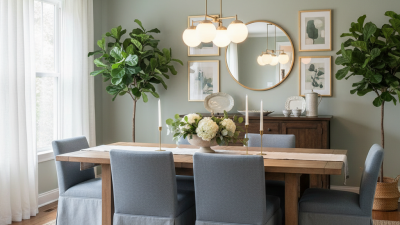
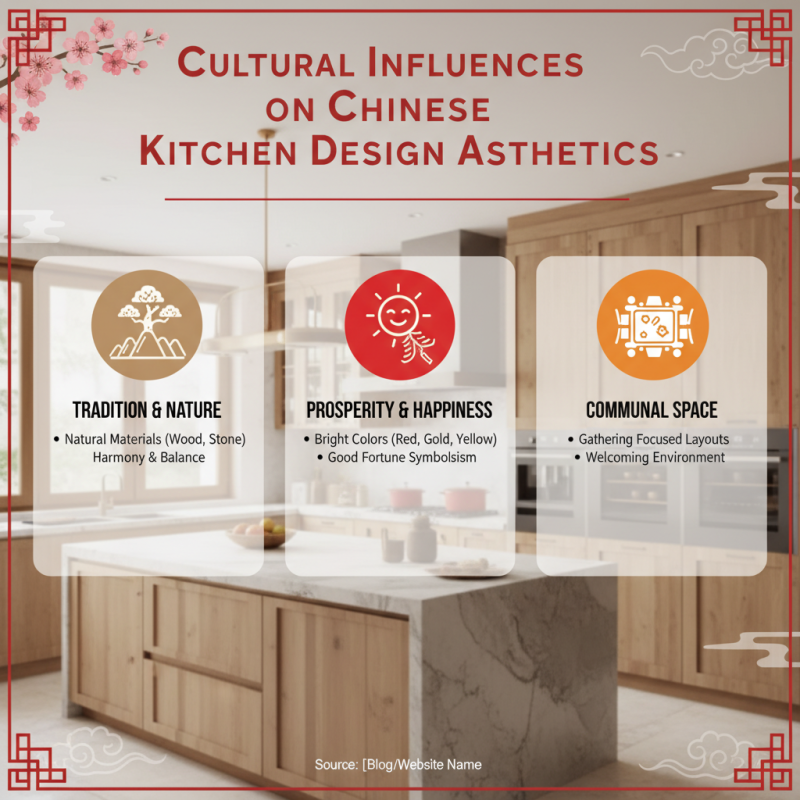
The kitchen design trends for 2026 in China showcase a fresh approach to color palettes. Bright and bold hues are stepping back to welcome softer tones. Subtle shades of sage green, dusty pink, and warm beige will dominate many homes. These colors create a calm atmosphere, ideal for cooking and dining spaces.
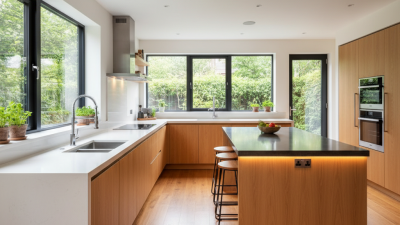
Incorporating natural materials can enhance the appeal of these colors. Consider textures like reclaimed wood, stone, or terrazzo. A mix of these elements fosters a sense of harmony in the kitchen. Visual balance is key for a pleasing design.
**Tips**: When selecting colors, remember to consider the lighting. Natural light can alter how colors appear throughout the day. Test paint samples at different times. Also, don’t shy away from using two or more colors in your kitchen. A two-tone cabinet design can make a dramatic statement. Reflect on what colors resonate with you personally. Your kitchen should reflect your style and preferences.
Innovative Materials and Finishes Shaping Chinese Kitchens
The kitchen landscape in China is evolving rapidly. Innovative materials and finishes are at the heart of this transformation. Homeowners increasingly seek aesthetics that combine functionality and sustainability. Natural materials, such as bamboo and recycled wood, are becoming popular. They offer a warm, inviting feel, while also reflecting eco-conscious choices.
High-tech finishes are also making their mark. Smart surfaces, like touch-sensitive countertops, bring a modern twist. These surfaces not only impress but also provide practical benefits. For instance, some finishes are designed to resist stains and bacteria, ensuring hygiene. Despite these advancements, challenges remain. The integration of technology can sometimes complicate maintenance, leading to frustration for homeowners.
In addition, color plays a crucial role. Rich, deep tones are trending, adding drama to kitchen spaces. However, these choices require careful thought. Darker colors may make a small kitchen feel even smaller. Balancing color and material can be tricky. Homeowners must weigh their desires against practicalities. This blend of innovation and reflection shapes the future of kitchen designs in China.
Sustainable Practices in Kitchen Design: Eco-Friendly Trends
As global buyers look towards 2026, the demand for sustainable practices in kitchen design is rising. Eco-friendly materials are gaining traction. Bamboo, reclaimed wood, and recycled metal are popular choices. These materials are not only stylish but also reduce the carbon footprint. They include natural finishes that enhance the aesthetics of any kitchen while being environmentally responsible.
Energy-efficient appliances are also trending. Consumers seek out products that minimize energy usage. LED lighting and smart technologies help reduce waste. However, many buyers struggle with the initial costs. Transitioning to sustainable options can feel overwhelming. It requires careful planning and investment, yet the long-term savings are significant.
Water conservation is another crucial element. Low-flow faucets and dual-flush toilets contribute to overall sustainability. Still, incorporating these features into existing kitchens takes effort. Homeowners may resist these changes due to perceived inconvenience. Nevertheless, embracing eco-friendly trends doesn't just benefit the environment; it often enhances the living experience. Thinking critically about these choices can lead to more responsible home design.
Smart Technology Integration in Modern Kitchen Designs
The integration of smart technology in kitchen designs is transforming how homeowners interact with their spaces. According to a recent report by MarketsandMarkets, the global smart kitchen market is projected to reach $28 billion by 2026, reflecting a significant 30% annual growth rate. This growth is driven by innovations that enhance both convenience and efficiency. Smart appliances like refrigerators, ovens, and dishwashers now come equipped with Wi-Fi connectivity, allowing users to control them remotely.
Food preparation is becoming more intuitive. Smart sensors in appliances can suggest recipes based on available ingredients. This not only saves time but also reduces food waste. However, there are challenges. Some homeowners struggle with the tech complexity, feeling overwhelmed by the myriad of options. A report from McKinsey indicates that 40% of consumers feel hesitant about adopting new technology due to concerns over usability. Designers need to address these concerns to create user-friendly interfaces.
Moreover, integrating smart technology in kitchens raises questions about security and privacy. Many devices collect data, posing potential risks if not managed properly. Builders and manufacturers must emphasize security features to gain consumer trust. Without addressing these issues, the potential benefits of smart kitchen integration might remain untapped. Fostering a balance between technology and user experience is crucial for a truly modern kitchen.
China Top Kitchen Design Trends for Global Buyers in 2026
| Trend |
Description |
Impact |
Smart Technology |
| Sustainable Materials |
Use of eco-friendly materials such as bamboo and recycled plastics. |
Reduces carbon footprint and promotes sustainability. |
Integration of smart appliances with energy-saving features. |
| Modular Designs |
Flexible kitchen layouts that can be reconfigured easily. |
Enhances functionality and adaptability to different spaces. |
Smart storage solutions that can be customized through apps. |
| Open Concept Kitchens |
Kitchens that blend seamlessly with living areas for increased social interaction. |
Encourages family gatherings and interactions. |
Voice-activated devices for hands-free cooking and commands. |
| Smart Lighting |
Adaptive lighting systems that adjust based on time of day and activity. |
Increases energy efficiency and enhances ambiance. |
Smart controls through mobile devices for convenience. |
| High-Tech Appliances |
Appliances with internet connectivity for remote control and monitoring. |
Improves efficiency and cooking precision. |
Integration with kitchen management systems for recipe guidance. |