Leave Your Message

How to Choose the Best Display Shelves for Your Store?

Selecting the right display shelves for your retail space is crucial. According to a recent report by the National Retail Federation, effective product placement can boost sales by up to 30%. Display shelves directly influence how customers perceive products. The design, material, and layout can significantly affect buyer behavior.

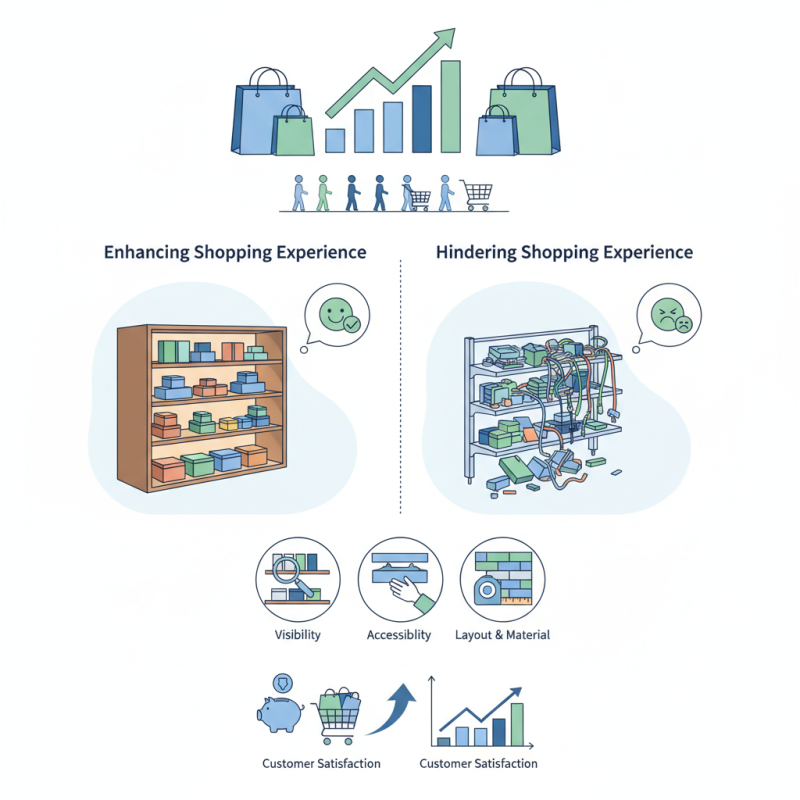
Industry expert John H. Keller emphasizes, “The right display shelves can transform a shopping experience.” It is important to consider factors such as visibility and accessibility when choosing shelves. Customers are more likely to engage with products that are well-displayed. If the shelves are cluttered or poorly placed, it may lead to confusion or frustration. This can ultimately deter customers from making purchases.

Take a moment to evaluate your current display. Are your shelves enhancing or hindering the shopping experience? By reflecting on these elements, businesses can optimize their layout. Investing in quality display shelves pays off in customer satisfaction and increased sales.
How to Choose the Best Display Shelves for Your Store?

Understanding Different Types of Display Shelves for Retail Spaces

How to Choose the Best Display Shelves for Your Store?

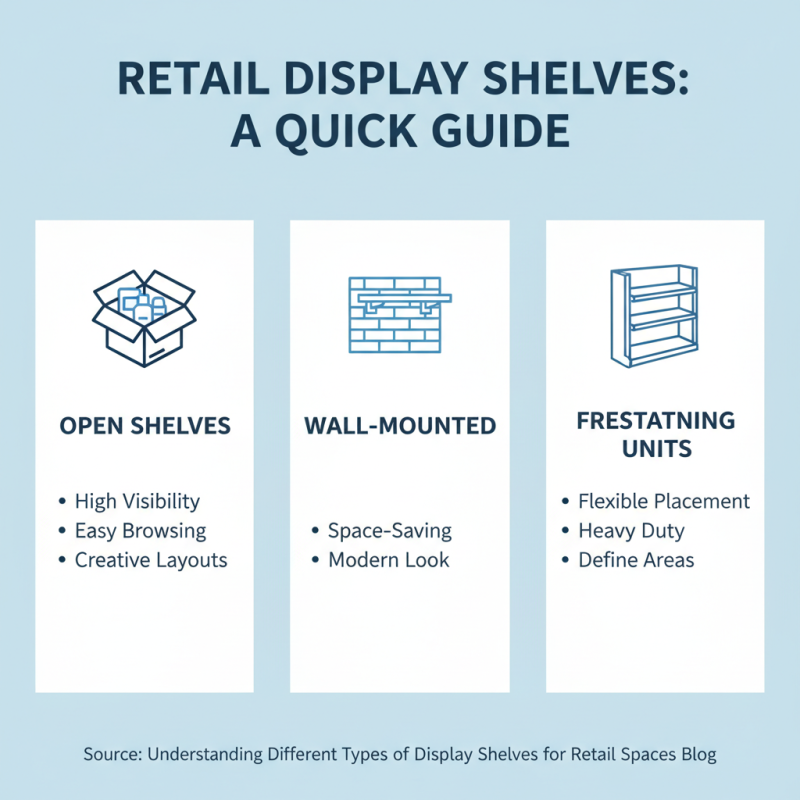
When selecting display shelves for retail spaces, understanding the different types available is vital. Facing the choice between open shelves, wall-mounted fixtures, and freestanding units takes insight. Open shelves provide visibility and encourage browsing. They allow for creative product arrangements. However, they can become cluttered easily and require regular organization.

Wall-mounted shelves save floor space but limit accessibility. They work well for smaller items like accessories. However, limited height can restrict visibility for taller products. Freestanding shelves offer flexibility. Retailers can move them to adjust displays. Yet, they may require more space and can obstruct customer flow if not arranged wisely.

Consider the product type and customer behavior when choosing. Large items may need sturdy, solid shelving. Conversely, smaller products might shine on glass or acrylic units. The right balance will highlight products effectively and enhance the shopping experience. Thoughtful design can lead to better sales. However, constant reevaluation is necessary to optimize layout and presentation.
Key Factors to Consider When Sourcing Display Shelves

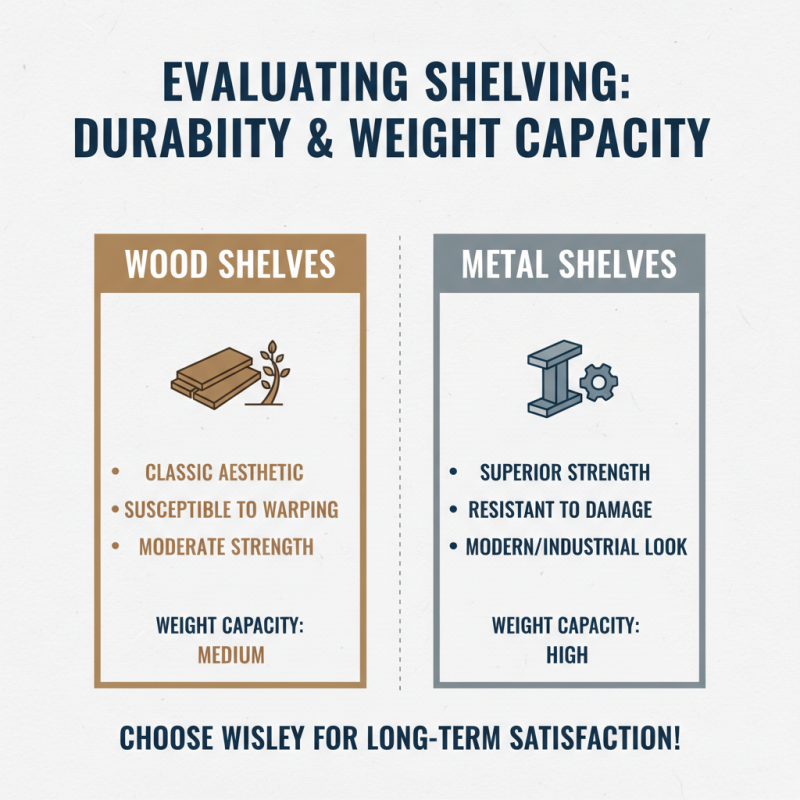
When selecting display shelves for your store, consider functionality and aesthetics. Shelves should not only showcase your products but also attract customers. The material and design play a crucial role in this. Wooden shelves provide a warm feel, while metal shelves offer a modern touch. Choose a style that reflects your brand identity.

Space is another important factor. Measure your available square footage before making a decision. Ensure the shelves fit comfortably in your layout. A crowded space can overwhelm customers. Consider adjustable shelves for flexibility. This allows you to change the display as inventory changes.

Think about the weight capacity of the shelves. Some products are heavier than others, requiring sturdier options. Test the shelves for durability to avoid any potential issues later. Lastly, keep in mind the maintenance of the shelves. Some materials require more upkeep than others. Choosing low-maintenance options can save you time and effort in the long run.

Display Shelves Selection Factors

Evaluating Material Durability and Weight Capacity of Shelving

How to Choose the Best Display Shelves for Your Store?

Choosing the right display shelves for your store requires a careful assessment of material durability and weight capacity. Shelving materials vary widely, from wood to metal, and each offers unique strengths. For example, solid wood provides a classic aesthetic but can be susceptible to warping over time. Metal shelves, on the other hand, offer superior strength and resistance to damage. However, they may lack the warmth of wooden displays. Understanding these distinctions is essential for long-term satisfaction.

Weight capacity is another crucial factor. Each shelf can support different loads, influenced by material and construction. Overloading shelves can lead to sagging, which diminishes their visual appeal and functionality. It's worth noting that slight imperfections, like uneven surfaces or minor scratches, can impact performance. Assess how much weight your products will require. Choose shelves that not only meet your needs but also provide a safety buffer. Balancing durability with aesthetics may require some trial and error, leading to thoughtful choices in your store display.

Incorporating Aesthetic Design to Enhance Customer Engagement

Creating visually appealing display shelves can significantly impact customer engagement in retail settings. According to a report by the Retail Design Institute, around 70% of consumer purchasing decisions are made in-store, influenced by product presentation. Effective shelf design incorporates colors, textures, and lighting that resonate with your target demographic. Ensure your displays tell a story that aligns with your brand's identity, inviting customers to explore further.

Tips: Use contrasting colors to grab attention. Ensure shelves are at eye level to maximize visibility. Regularly update displays to reflect seasonal themes or promotions; this keeps the shopping experience fresh and engaging.

However, not all designs will work perfectly. Some stores may find their beautifully crafted displays go unnoticed. This could be due to poor store layout or overwhelming product offerings. It's crucial to assess the overall shopping journey for customers. Incorporate feedback to understand what works and what doesn’t. Track foot traffic and dwell time to identify high-traffic areas that may require more engaging displays. Balancing aesthetic appeal with functionality is key to nurturing customer interaction.

Analyzing Cost-Effectiveness and ROI of Display Shelf Investments

When investing in display shelves, it's crucial to analyze cost-effectiveness and potential ROI. Many store owners overlook this aspect, assuming that higher costs always bring better quality. However, a shelf should meet both functional and aesthetic needs while fitting into your budget. It’s essential to determine how much value a shelf can add to your overall sales.

Consider conducting a cost analysis of different types of shelves. Wooden shelves may look elegant, but their maintenance costs can accumulate over time. Metal shelves, on the other hand, might have a higher upfront cost but could last longer and require less upkeep. Look beyond the initial price tag. What about the impact on sales? Are customers drawn to the products displayed? Understanding this link is key for maximizing your investment.

Reflecting on past purchases can also be valuable. Did a specific shelving style enhance sales? Or did it become an eyesore, distracting from the merchandise? Listening to customer feedback can lead to crucial insights. Ultimately, it’s about striking a balance between aesthetics, durability, and the financial implications of your choices. Each decision must align with your store's goals to ensure long-term success.

How to Choose the Best Display Shelves for Your Store?

Shelf Type Cost ($) Estimated Lifespan (Years) ROI (%) Capacity (lbs)
Wooden Shelves 250 10 175 150
Metal Shelves 300 15 200 300
Glass Shelves 400 8 150 100
Plastic Shelves 150 5 100 75