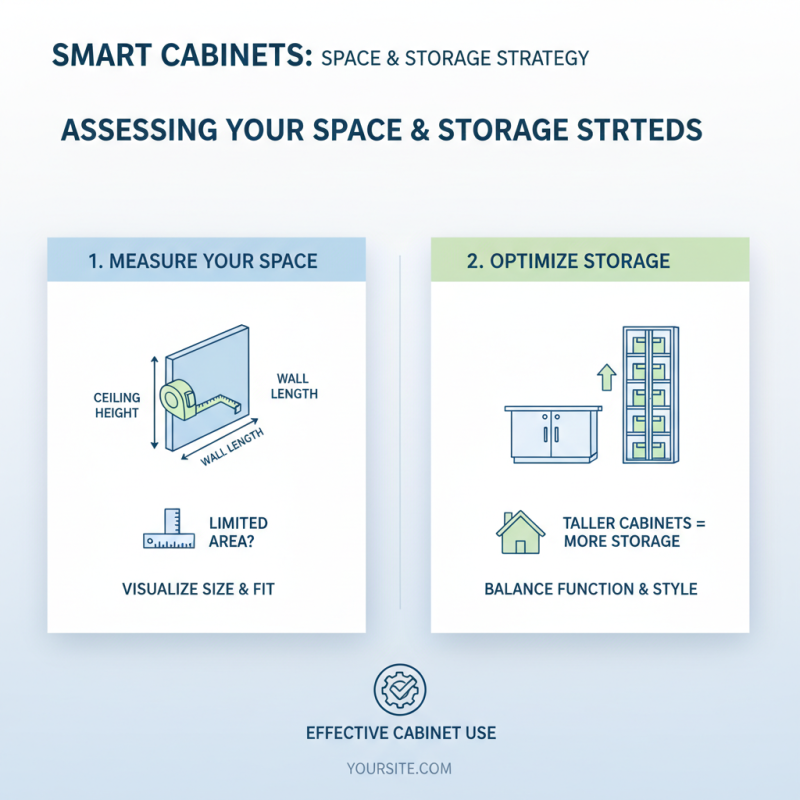
How to Choose Closed Cabinets for Your Home or Office?
Choosing the right closed cabinets for your home or office can significantly impact your space's organization and aesthetics. According to interior design expert Sarah Johnson, “Closed cabinets are not just for storage; they define the style of a room.” Her insight underscores the importance of thoughtful selection in this category.
In today’s diverse market, closed cabinets come in various styles, sizes, and materials. It's essential to match cabinets with your overall design vision. Consider the functionality you need. Do you require ample storage for documents, or do you want a sleek unit for decorative items? Every piece should reflect both purpose and style.
Finding the right closed cabinets may also require some reflection. An ideal cabinet should not only fit your space but also contribute positively to your daily routine. Think about how often you will access these cabinets. Will they be convenient, or will they hinder efficiency? Your choices here influence your environment significantly.
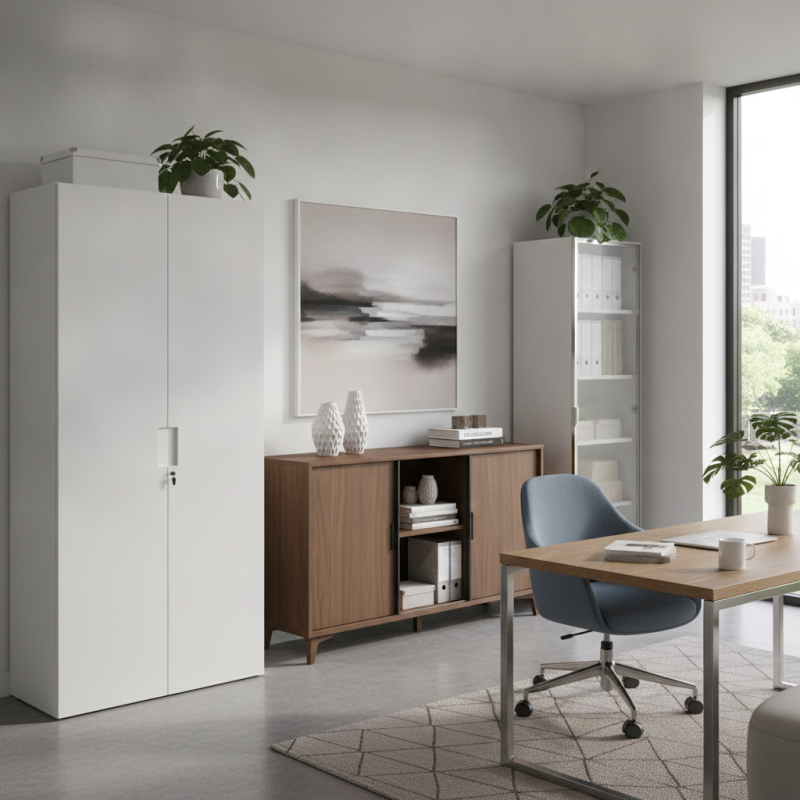
Understanding the Types of Closed Cabinets Available for Selection
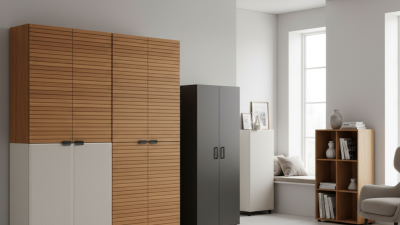
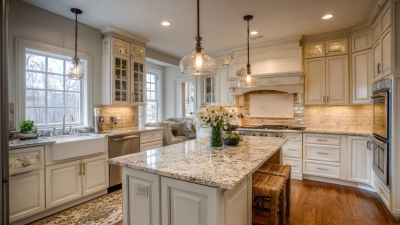
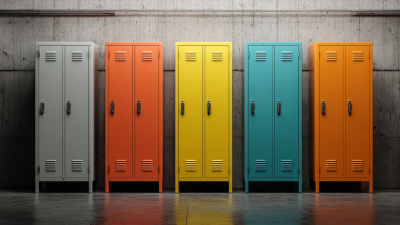
When selecting closed cabinets for your home or office, understanding the available types is essential. Various styles can meet different storage needs. For example, wooden cabinets offer a classic aesthetic, while metal cabinets add a modern touch. Each material has its pros and cons, impacting durability and maintenance levels.
There are also different configurations to consider. Wall-mounted cabinets save floor space, making them ideal for smaller rooms. On the other hand, freestanding cabinets provide more internal storage. Think about whether you need adjustable shelves or fixed ones. This choice affects how you organize your items.
Color and finish should not be overlooked. A bright finish can enhance a room, but it may require more cleaning. If you prefer a timeless look, darker shades are less likely to show wear. Reflect on how often you use these cabinets. The right type of cabinet can streamline your workflow or simplify home organization. Choosing wisely ensures that the cabinets not only fit your space but also complement your lifestyle.
Types of Closed Cabinets and Their Popularity
Materials and Finishes: What to Consider for Durability and Aesthetics
When selecting closed cabinets for your home or office,
materials and finishes play a crucial role.
The choice of materials not only determines the durability but also impacts the overall look of the space.
According to a recent industry report, 70% of consumers consider the longevity of materials when making purchasing decisions.
Common materials include solid wood, plywood, and metal.
Solid wood offers a timeless appeal but can be susceptible to scratching and moisture damage.
On the other hand, metal cabinets are often more durable but might lack warmth.
Finishes also significantly affect cabinets’ aesthetics and maintenance.
Matte finishes can hide fingerprints and scratches, making them a popular choice.
In contrast, glossy finishes provide a modern look but may require frequent cleaning.
A study indicated that 50% of professionals agree that the right finish can enhance the perceived value of furniture.
It's essential to reflect on how the color and texture of finishes can complement or clash with your existing decor.
Not everyone considers the environmental impact of cabinet materials.
Sustainable options, like bamboo or reclaimed wood, are gaining popularity, yet they might not always align with traditional preferences.
Balancing aesthetics, durability, and ecological considerations is a personal journey.
Each choice reflects individual priorities, making it essential to weigh these factors carefully.
Evaluating Design and Functionality: Practical Features to Look For
When selecting closed cabinets for your space, consider both design and functionality. Color, material, and style should harmonize with your existing decor. Choose wood or metal for durability. Open shelving can add a modern touch, but closed storage keeps your area tidy.
Practical features are essential for usability. Adjustable shelves offer flexibility for various items. Lockable doors secure important documents or valuables. Easy-to-clean materials reduce maintenance effort. Ensure the cabinet has a sturdy frame to support weight without sagging.
Reflect on your needs and habits. A cabinet may look good but might not suit your lifestyle. Evaluate your storage requirements carefully. Visibility is important too; doors that hide everything can make it hard to find what you need. Balance between aesthetics and practical features to achieve ultimate satisfaction.
Budgeting for Your Closed Cabinet Purchase: Cost Considerations and Options
When budgeting for closed cabinets, consider several cost factors. The initial purchase price varies widely. Basic models can range from $100 to $500, while premium options may exceed $2,000. Reports indicate that quality materials often influence price. Plywood and solid wood cabinets are generally more expensive than particleboard.
Installation costs should also be factored in. Professional installation can add $50 to $150 per unit. You might think DIY saves money, but mistakes can lead to additional expenses. This aspect often gets overlooked. Research shows that poor installation can reduce a cabinet's lifespan by 20%.
Maintenance costs are another consideration. Wood requires regular treatments for longevity. Neglect may lead to higher long-term expenses. On the other hand, laminate options are easier to care for. They often have lower maintenance costs but might not match wood’s aesthetic appeal. Balancing upfront costs with long-term value creates a more informed decision.
How to Choose Closed Cabinets for Your Home or Office? - Budgeting for Your Closed Cabinet Purchase: Cost Considerations and Options
| Cabinet Type |
Material |
Size (Height x Width x Depth) |
Price Range |
Storage Capacity |
| Wooden Cabinet |
Solid Wood |
72" x 36" x 18" |
$800 - $1500 |
Large (up to 200 lbs) |
| Metal Cabinet |
Steel |
60" x 30" x 16" |
$400 - $900 |
Medium (up to 150 lbs) |
| Glass Cabinet |
Tempered Glass |
75" x 36" x 20" |
$600 - $1200 |
Medium (up to 100 lbs) |
| Plastic Cabinet |
Polypropylene |
48" x 30" x 15" |
$150 - $300 |
Small (up to 50 lbs) |