Leave Your Message

How to Choose Kitchen Decor for Every Style?

Choosing Kitchen Decor becomes easier when style begins with daily habits, not a picture saved online. A farmhouse kitchen may need warm wood, washable cotton, and open storage for frequent use. A modern space benefits from clean lines, matte finishes, and fewer visible objects. Traditional, industrial, coastal, and eclectic kitchens each need a different balance of color, texture, and function. The best choices should look attractive while surviving steam, splashes, heat, and regular cleaning. Beauty must work.

This guide approaches Kitchen Decor through practical observation and design fundamentals. Measure wall space before buying shelves, artwork, or pendant lights. Check whether finishes resist moisture and whether fabrics can be washed. Use a simple palette, then add contrast through cabinet handles, rugs, ceramics, or a carefully placed plant. Natural light can change white paint from soft cream to sharp gray during the day. Small samples reveal more than online images. They also expose mistakes early.

Some recommendations will feel obvious, yet personal taste often challenges design rules. A dark backsplash may create depth, but it can make a narrow kitchen feel enclosed. Open shelving may look inviting, though it demands disciplined organization. Even experienced decorators revise choices after living with them. That is not failure; it is useful evidence. The following sections compare decor decisions across popular styles, with attention to proportion, durability, maintenance, and the quiet details that make a kitchen feel genuinely yours.
How to Choose Kitchen Decor for Every Style?

Identify Your Kitchen’s Design Style and Functional Needs

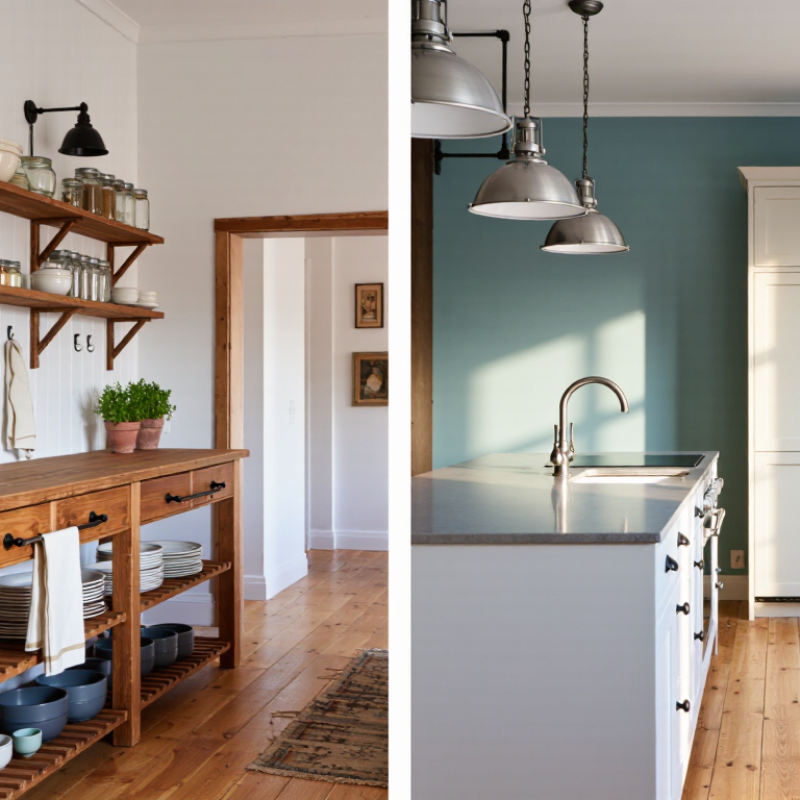
Choose kitchen decor after identifying two things: visual language and daily friction. Take photos during breakfast, cleanup, and late-night cooking. Notice what annoys you. Open shelves may suit an airy, modern kitchen, but dusty dishes can undermine the look. A farmhouse room needs warmth, while a compact contemporary room may benefit from smooth fronts and restrained hardware. Do not force a style label.

The National Kitchen & Bath Association’s 2024 Design Trends Report identifies multifunctionality and storage as continuing kitchen priorities.

Measure workflow before buying decorative objects. Record counter depth, walkway width, outlet positions, and landing space beside appliances. Houzz’s 2024 U.S. Kitchen Trends Study reports that 76% of renovating homeowners upgraded their cabinets.

76%

That figure shows how strongly storage shapes both function and appearance.

Use baskets, rails, and containers only where they solve repeated problems. A beautiful tray that blocks preparation space is simply clutter.

I learned this the hard way.

Match materials to your maintenance tolerance. Matte finishes can hide fingerprints, while porous surfaces may require faster cleaning and periodic sealing.

For traditional spaces, try timber tones, aged metal, and patterned textiles in small doses. For minimalist kitchens, repeat one finish and preserve visual breathing room.

The wrong scale remains common. A large pendant can overpower a narrow kitchen, even when its shape is attractive.

Test samples under morning and evening light before committing.

Your kitchen must work first.
Assess the Space, Layout, Lighting, and Existing Features

How to Choose Kitchen Decor for Every Style?

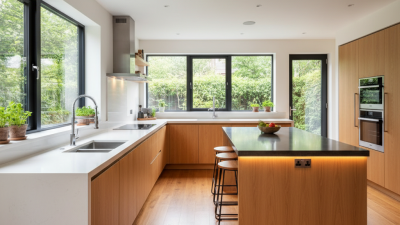
Begin by studying the space before choosing decorative pieces. Measure wall width, ceiling height, counter depth, and walking clearance. A narrow kitchen needs calm, vertical details rather than bulky objects. Open shelving can display pottery, but crowded shelves quickly look untidy. Measure twice. Leave enough room for daily movement.

The layout should guide your choices. In a working kitchen, keep decorations away from heat, water, and cabinet doors. Place frequently used items where they remain easy to reach. A small bowl near the preparation area may be more useful than a large centerpiece. I once chose a beautiful tray that blocked a drawer, which was a poor decision. Function should quietly lead the style.

Lighting can change every color and texture. Observe the kitchen during morning, afternoon, and evening. Warm light may soften wood, while cool light can make white surfaces feel sharper. Existing features also deserve attention, including flooring, handles, beams, and visible appliances. Match their materials without copying everything. Light changes everything. Still, perfect coordination can feel lifeless. Leave one unexpected detail, such as a textured fabric or handmade object, but check that it suits the room’s scale and maintenance needs. A decoration that collects grease is attractive only briefly.

Choose a Coordinated Color Palette, Materials, and Finishes

Choosing kitchen decor by style starts with coordination, not decoration. Select one dominant color, one supporting tone, and one restrained accent. Warm white cabinets, muted green walls, and brushed metal hardware create a calm transitional palette. Contemporary spaces can pair charcoal, pale oak, and soft gray. Keep the undertones consistent. A cool gray beside warm beige often looks accidentally mismatched.

Materials should repeat without becoming identical. Match oak shelving with a wood-toned island, or echo stone veining in a backsplash detail. The 2024 U.S. Houzz Kitchen Trends Study reported a median major kitchen remodel spend of $60,000, so durable choices deserve careful planning. I would test large samples beside flooring and daylight before ordering. Small samples can mislead.

Finish selection controls the room’s visual weight. Use matte surfaces for quiet areas, satin finishes for touch points, and limited gloss for reflection. The 2024 National Kitchen & Bath Association Kitchen Trends Report gathered insights from more than 500 industry professionals, highlighting continued interest in natural materials and layered, livable kitchens. Still, professional advice is not infallible. I once combined too many “natural” finishes, and the result felt flat. Slight contrast matters. A practical rule is to repeat each finish twice, then stop.

Select Decor Elements That Match Your Chosen Style

Choosing kitchen decor becomes easier when one style guides every decision. Start with the room’s fixed features, such as cabinets, flooring, and window light. I usually photograph these details before shopping. Photos reveal undertones that look different at night. A warm wood floor may clash with cool gray accessories. Your style should feel intentional, not perfectly matched. Leave some breathing room. An overfilled counter quickly weakens even a beautiful design.

For a modern kitchen, select clean-lined containers, matte finishes, and one controlled accent color. A farmhouse space benefits from woven textures, ceramic pieces, and aged-looking wood. In a traditional kitchen, consider framed art, softly patterned textiles, and balanced pairs.

Industrial rooms need restraint because metal, glass, and dark tones can feel harsh. Coastal decor works better with pale textures and practical shapes. Material quality matters more than decoration quantity. Choose items that tolerate steam, splashes, and frequent cleaning.

From my design experience, I check scale from several viewpoints. A small object may disappear beside a large island.

Tips: Build a palette of three colors. Repeat each color at least twice. Mix rough and smooth surfaces for depth. Keep fragile decor away from cooking zones.

Test one piece for a week before buying more. I once added too many open shelves and regretted the dust. It was a useful lesson.

Attractive choices must still support daily routines.

Arrange and Refine the Decor for Balance and Practicality

Choosing kitchen decor for any style starts with observing how the room works each day. A beautiful arrangement can become frustrating when it blocks drawers, crowds preparation areas, or collects grease. Keep frequently used objects within easy reach, while displaying decorative pieces above eye level or away from heat. Let the kitchen guide the design, not the other way around.

Balance comes from varying height, texture, and visual weight. Pair a tall ceramic vessel with smaller bowls or folded linens. Leave clear space between groups so the room can breathe. In a modern kitchen, one warm wooden accent can soften sharp surfaces. In a rustic kitchen, smooth metal details may prevent the space from feeling too heavy.

I once filled an open shelf with attractive objects, but the result looked busy and gathered dust. Removing several pieces improved both appearance and cleaning.

Tips: Arrange decor in small groups of three, then view them from the doorway. Keep fragile items away from busy work zones. Use trays to contain oils, utensils, or daily essentials. Check that cabinet doors open fully. Natural light can change colors, so inspect the arrangement in the morning and evening. A slightly imperfect grouping may feel more welcoming, but clutter rarely becomes practical. Reassess the space after one week of normal use.