How to Choose the Perfect Base Cabinets for Your Kitchen?
Choosing the perfect base cabinets for your kitchen can be a challenging task. Base cabinets are the backbone of your kitchen design. They not only provide storage but also significantly impact the overall aesthetics of the space. Selecting the right ones is crucial for both functionality and style.
When considering base cabinets, think about your needs. Do you require more storage or a sleek look? The material you select plays a vital role in durability and maintenance. Wood and laminate are common choices, each with unique benefits. Visualize how different finishes will complement your kitchen theme.
Mistakes can happen during selection. You may overlook dimensions or ease of access. Reflecting on past projects can guide your choices today. Base cabinets should be both practical and visually appealing. A thoughtful decision will enhance your kitchen's functionality and beauty for years to come.
Understanding the Functionality of Base Cabinets in the Kitchen
Base cabinets play a crucial role in kitchen functionality. They provide essential storage and support for countertops. Choosing the right base cabinets can enhance both the style and practicality of your space. Consider the layout of your kitchen. An L-shaped kitchen might benefit from a corner cabinet that utilizes every inch of space effectively.
Material matters too. Plywood offers durability while particleboard is often lighter but less resilient. Think about how you cook and what you store. Some people need deep drawers for pots, while others may prefer standard shelves for canned goods.
Tips for selection include measuring your kitchen accurately. Misjudging dimensions can lead to costly adjustments. Additionally, evaluate the ease of access. Cabinets with pull-out shelves or soft-close hinges are increasingly popular for a reason. They improve usability, allowing you to reach items at the back without struggle. Don't overlook the finish; a quality finish can prolong the life of your cabinets. Explore colors and textures that complement your kitchen's overall design. Reflect on how each choice impacts both functionality and aesthetic appeal.
Determining the Right Size and Dimensions for Your Space
Choosing the right size for base cabinets is crucial in kitchen design. The dimensions of your space dictate the functionality and aesthetics of your kitchen. Measure your area carefully, considering both width and height. Standard base cabinets are usually 34.5 inches tall, but your needs may vary. Factor in countertop height and any appliances that will be included.
It’s easy to overlook the depth of the cabinets, which typically ranges from 24 to 30 inches. This measurement affects your storage capacity and walking space. If you want a more spacious feel, opting for shallower cabinets can create an open atmosphere. Reflect on your cooking habits too. Will you need extra storage for cookware? Do you often prepare large meals? These considerations will guide your size choices.
Don’t hesitate to visualize how the cabinets will fit into the overall kitchen layout. It may help to use painter’s tape to outline the cabinet dimensions on your floor. This exercise reveals potential spacing issues. Reflecting on your design can lead to better decisions, creating a more functional space tailored to your lifestyle.
How to Choose the Perfect Base Cabinets for Your Kitchen? - Determining the Right Size and Dimensions for Your Space
| Dimension/Aspect |
Recommended Size |
Notes |
| Standard Height |
34.5 inches |
Ideal for most kitchen countertops |
| Standard Depth |
24 inches |
Allows enough space for countertop overhang |
| Base Cabinet Width |
12 to 48 inches |
Choose based on kitchen layout and design |
| Toe Kick Height |
3 inches |
Provides comfort and allows for foot placement |
| Cabinet Configuration |
Varies |
Consider options like drawers, doors, and shelves |
Choosing the Best Materials for Durability and Aesthetics
Choosing the best materials for your kitchen base cabinets is essential for both durability and aesthetics. A popular choice is plywood. It offers good strength while resisting warping and is more moisture-resistant than particleboard. This is ideal for kitchens, where humidity can fluctuate. Solid wood is another excellent option. It brings warmth and can be refinished multiple times. However, it may be costlier and require more care to maintain.
For a modern style, laminate is a great pick. It is not only affordable but also available in various colors and patterns. Laminate is easy to clean, making it practical for busy kitchens. However, its durability can come into question if it’s subjected to heavy use or heat. Consider your lifestyle when making decisions. A high-traffic kitchen may need more robust materials.
Metal cabinets can add an industrial edge to your kitchen. They are incredibly durable and resistant to stains. However, they may not suit every design style. Always balance your aesthetic goals with practicality. Enjoy the design journey, but remember that functionality is key in a space meant for everyday use.
Choosing the Best Materials for Kitchen Base Cabinets
Evaluating Storage Solutions and Organizational Features
Choosing the right base cabinets for your kitchen involves considering functionality and organization. Evaluating your storage solutions is crucial. Think about how you'll use your kitchen daily. Open shelving encourages accessibility, while closed cabinets offer a cleaner appearance. Look at your cooking habits. If you frequently reach for pots and pans, ensure they’re within easy reach. Organizing kitchen tools can also make cooking more enjoyable.
Efficient organization features are essential. Soft-close drawers minimize noise while protecting your items. Dividers within drawers can keep utensils tidy. Pull-out shelves provide easier access to items tucked in the back. Consider the height and depth of your cabinets. Longer cabinets can create a more spacious feel, but too deep may make reaching items difficult. Reflect on your lifestyle; what may initially seem perfect might not serve your needs in the long run.
Storage solutions should fit your kitchen's layout. Remember, too many features can lead to chaos. Avoid cramming everything into one space, as that can lead to clutter. Balance is key in creating a functional kitchen. Revisiting your choices often can help ensure that your cabinets remain a perfect match for your evolving needs.
Exploring Style and Finish Options for Your Kitchen Design
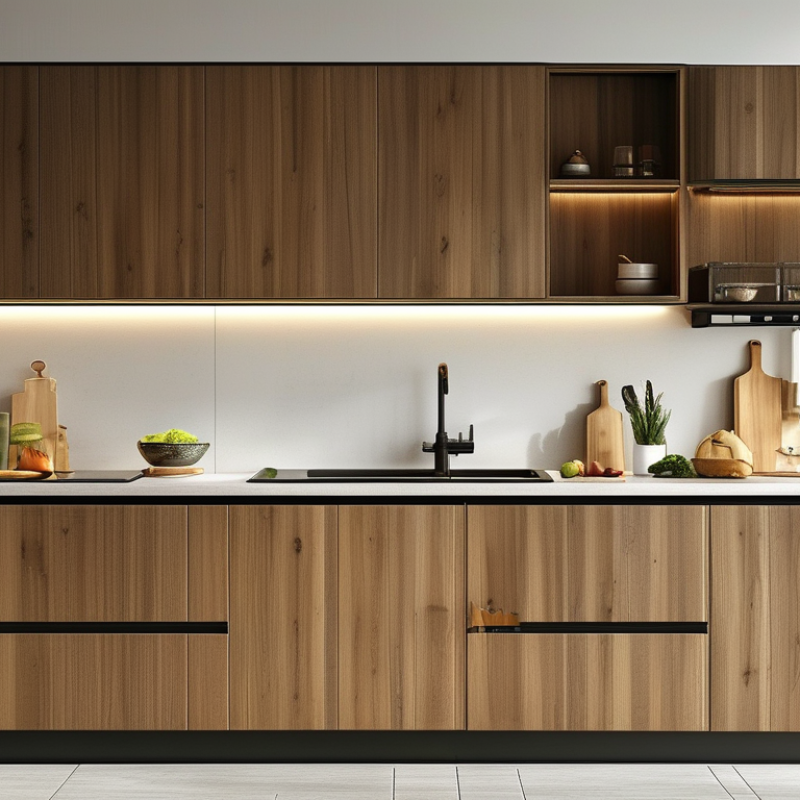
Choosing the right style and finish for your kitchen base cabinets is essential. It sets the tone for your entire kitchen design. You can go for classic wood finishes or sleek modern laminates. Each option brings its own vibe. Wood can offer warmth and texture. Laminates are often easier to clean and maintain.
Consider how the finish will interact with other elements in your kitchen. Light colors can make a space feel larger. Dark finishes can add depth and sophistication. Mixing materials can create visual interest. A distressed finish might suit a rustic kitchen, while high-gloss options can enhance contemporary settings.
Reflect on the practical side too. Some finishes hide scratches better than others. Think about durability and upkeep. Will you be cooking frequently? Choose finishes that withstand wear and tear. A great design balances aesthetics with functionality. What works for one person may not for another. Take time to evaluate your needs and preferences. Consider experimenting with samples. Ultimately, it’s about creating a space that feels right for you.