How to Choose the Perfect Kitchen Table for Your Home?
Selecting the right kitchen table is essential for creating a comfortable and functional space in your home. According to a recent survey by the American Home Furnishings Alliance, over 48% of homeowners consider their kitchen table the most important piece of furniture. This statistic reflects not just the table's role in dining but also in family gatherings and daily activities. A well-chosen kitchen table can enhance your home's aesthetic while meeting your practical needs.
When thinking about a kitchen table, consider its size, shape, and material. For instance, a round table can promote conversation and save space. In contrast, rectangular tables often provide more surface area for meal preparation or homework. The material matters too; solid wood tables offer durability and warmth, while glass tables can brighten a small room but may require more maintenance.
Investing time in selecting a kitchen table is necessary. Many homeowners rush this decision, sometimes resulting in regret. Choosing the wrong size or style can lead to discomfort and frustration during use. Therefore, understanding your needs and analyzing your space is crucial in finding that perfect table.
Understanding Your Space: Measuring Your Kitchen Area
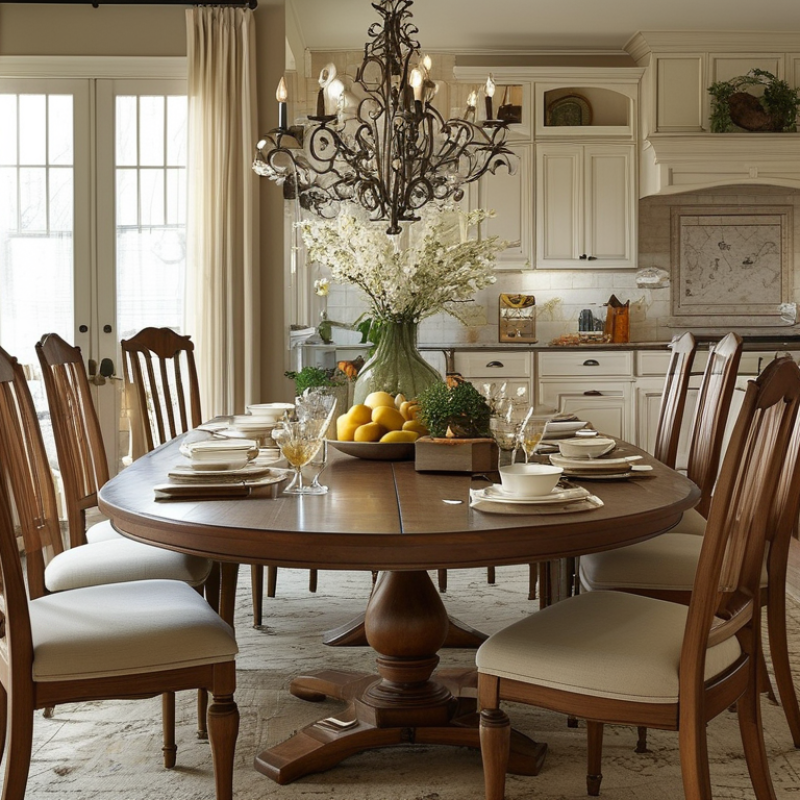
Understanding your kitchen space is crucial when selecting the ideal kitchen table. Accurate measurements are the foundation of a well-planned layout. According to a report by the National Kitchen and Bath Association, a functional kitchen layout allows at least 36 inches of walking space around the table. A standard table typically occupies 30 inches of width, which is an essential consideration to avoid a cramped environment.
When measuring, consider the shape of your table. Round tables can facilitate movement in tighter spaces. An industry study indicates that round tables can save up to 20% more space than rectangular ones in compact kitchens. It’s also advised to measure the table height in relation to your chairs and counters. The standard dining table height is around 28 to 30 inches, but some chairs may not fit well under tables of this height. Ensure there’s enough legroom for everyone.
In a small kitchen, multifunctional furniture can be a game-changer. Foldable or extendable tables may work better in tight areas. A study by the American Institute of Architects noted that integrating flexible designs can enhance usability. Reflecting on your kitchen's flow can guide you in choosing a table that complements your lifestyle. Avoid overcrowding your space, as this might lead to discomfort during meals.
Choosing the Perfect Kitchen Table - Space Measurements
Determining the Right Style: Matching Your Kitchen Aesthetic
Choosing the right style for your kitchen table is essential. It sets the tone for your entire kitchen. Consider your existing decor. Does your kitchen feature modern lines or rustic charm? Each style demands a different table choice.
For a contemporary kitchen, opt for sleek surfaces and minimalistic designs. A glass table with metal accents can enhance a trendy space.
In contrast, a farmhouse aesthetic calls for warmth and texture. A wooden table with distressed finish fits perfectly.
Reflect on your lifestyle too. Do you host large gatherings or enjoy intimate family dinners? A round table promotes conversation, while a rectangular table suits bigger groups. Balance functionality with aesthetics. Color coordination matters. A bold table can serve as an eye-catching centerpiece, but it must work with your color palette.
Choosing the Ideal Material: Durability and Maintenance Considerations
When selecting a kitchen table, the material is crucial. It influences durability and maintenance. Wood tables exude warmth and elegance. However, they require regular care. A study by the American Furniture Manufacturers Association found that solid wood surfaces can last over 20 years with proper maintenance. Yet, neglecting humidity control can lead to warping.
On the other hand, metal and glass tables offer modern aesthetics. They are often more resistant to stains and scratches. According to industry reports, tempered glass tables are easy to clean and can withstand significant wear. Nevertheless, they may require more frequent upkeep to maintain shine. Parents with young children might find maintenance challenging, as fingerprints and smudges can be frequent.
Choosing synthetic materials, like laminate, can be cost-effective. However, they can be less durable than their natural counterparts. Research indicates these surfaces may scratch easily, posing a concern for longevity. It's important to weigh the initial appeal against the need for replacements later on. The ideal kitchen table should align with your lifestyle and the level of care you're willing to commit to.
Selecting the Appropriate Size: Seating Capacity and Table Shape
Choosing the right kitchen table involves thoughtful consideration of size and shape. The right size table accommodates your family and guests comfortably. A table should fit your kitchen space well, allowing for easy movement around it. Measure the area where you want the table to be placed. Consider the size of your dining chairs too. You need space for chairs to be pulled out easily.
Seating capacity is a key factor. A standard dining table usually seats four to six people. If you entertain often, a larger table might be better. Round tables can create a more intimate setting, but may limit seating. Rectangular tables are ideal for larger groups and fit well in longer spaces. Visualize how you will use it daily. Will it be for family dinners or brunch gatherings?
Shape can influence the vibe of the room. A long table offers a formal feel. A shorter, round table feels more casual and inviting. However, a larger table can feel overpowering in a small space. Balancing aesthetics and functionality is crucial. Reflect on your lifestyle and habits. This intentional choice will enhance your dining experience. Remember, the perfect table fits your life, not just your space.
How to Choose the Perfect Kitchen Table for Your Home? - Selecting the Appropriate Size: Seating Capacity and Table Shape
| Table Shape |
Seating Capacity |
Recommended Size (L x W) |
| Rectangular |
6-8 people |
72 x 36 inches |
| Square |
4-6 people |
48 x 48 inches |
| Round |
4-6 people |
60 inches diameter |
| Oval |
6-8 people |
72 x 40 inches |
| Bar-Height |
4-6 people |
60 x 30 inches |
Budgeting Wisely: Finding Value Without Compromising Quality
When budgeting for a kitchen table, quality should never be compromised for price. The National Kitchen and Bath Association found that 70% of homeowners prioritize durability when selecting furniture. This is crucial since a kitchen table endures daily wear and tear. Opting for a solid wood table may seem like a higher upfront investment, but its lifespan typically exceeds that of cheaper materials.
Research indicates that spending approximately 10% of your kitchen remodel budget on a table provides good balance. For instance, if your total kitchen budget is $15,000, allocating $1,500 to your table is sensible. Consider second-hand options or sales; many quality tables surface at a fraction of their original cost. However, it's important to inspect used pieces for potential damage. A surface scratch might seem minor, yet it can mask deeper issues.
Finally, think about your space and needs. A larger table might seem ideal but ensure it fits comfortably in your kitchen. The American Institute of Architects recommends allowing 36 inches between your table and walls for easy movement. A well-chosen table enhances both functionality and aesthetics, proving that thoughtful budgeting reaps substantial rewards. Choosing wisely can transform your home’s heart without breaking the bank.