How to Choose the Perfect Kitchen Table for Your Home?
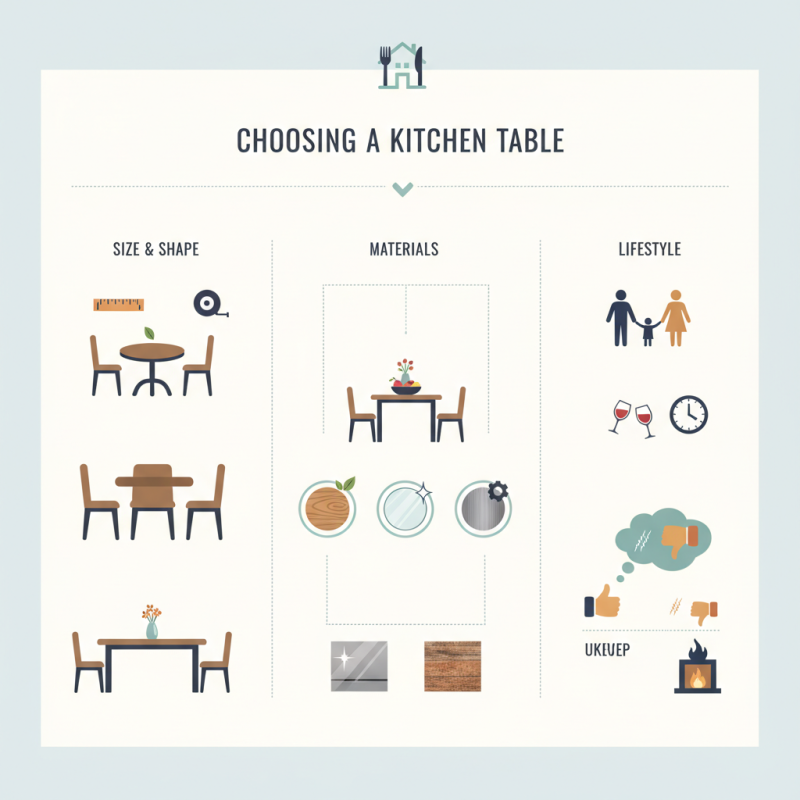
Choosing the right kitchen table can greatly impact your home’s aesthetic and functionality. A kitchen table serves as a gathering place for family and friends, making it essential to select one that fits your style and needs. You should consider various factors that affect your decision. The right size, shape, and material can enhance both the look and comfort of your dining space.
Imagine hosting a dinner party around a beautiful, spacious kitchen table. It can be made of wood, glass, or metal. Each material has its own character and style. The table's shape—round, square, or rectangular—also influences the dining experience. You might prefer a smaller table for cozy dinners or a larger one for entertaining.
As you explore your options, take note of your lifestyle and preferences. A glossy finish can be beautiful but may show scratches. A rustic design might add warmth but could require more upkeep. Reflecting on these details will guide you to the perfect kitchen table that truly feels like home.
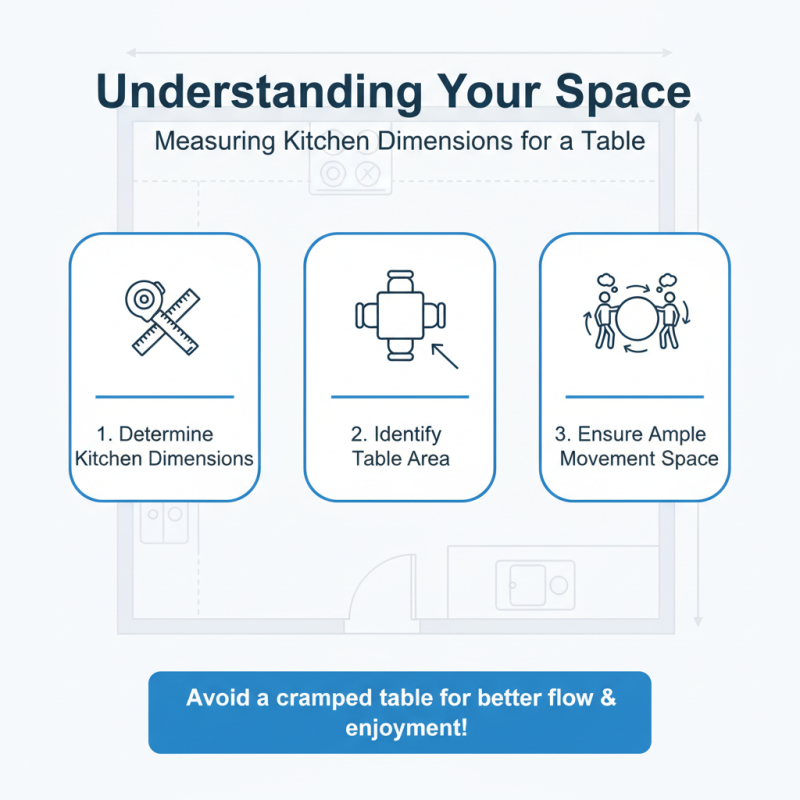
Understanding Your Space: Measuring Kitchen Dimensions for a Table
When choosing a kitchen table, measuring your space is crucial. Start by determining the dimensions of your kitchen. Consider the area where the table will sit. Is it crowded, or does it have ample space? A table that feels cramped can hinder movement and enjoyment.
Tips: Use painter's tape to outline the table's dimensions on the floor. This visual reference will help you see how much space it occupies. Leave space for chairs and ensure you can walk around comfortably.
Next, think about table height. The average dining table is about 28-30 inches tall. If your family is taller or shorter, adjust your choice accordingly. A table too low can strain your back; too high can feel uncomfortable.
Tips: Measure from the floor to your elbows while seated. This can guide you to find the most comfortable height. Balance aesthetics and functionality when choosing the shape—round, square, or rectangular. Each has its own vibe and suitability based on the size of your space.
Remember, it’s not just about fitting a table in your kitchen. It should enhance your home’s overall flow. A poorly sized table may lead to frustration during meal times. Will your guests enjoy their meals comfortably? Reflect on these considerations before making a decision.
Identifying Your Style: Choosing a Design that Complements Your Decor
When choosing a kitchen table, the design should reflect your personal style and complement your existing decor. A recent survey by the National Kitchen and Bath Association found that nearly 80% of homeowners prioritize aesthetics when selecting furniture. This statistic underscores the importance of a cohesive look in your dining area.
Consider the materials and colors that resonate with your home’s overall theme. Warm wood tones can evoke a cozy atmosphere, while sleek metal finishes add a modern touch. A mismatched style can create visual discord, leading to buyer’s remorse. Remember, it’s essential to harmonize your table with surrounding elements, such as lighting and cabinetry.
Functionality also plays a critical role in your selection process. A beautiful table may not serve your needs if it lacks adequate space or durability. About 45% of families find that size is a key factor, particularly for those who host gatherings. Balancing style with practicality can be challenging. Reflect on how your table will fit into daily life. Would it serve as a casual workspace or as an elegant setting for meals? Make an informed choice that caters to both your aesthetic preferences and functional demands.
Selecting the Right Material: Comparing Wood, Metal, and Glass Options
Choosing the right material for your kitchen table is crucial.
Wood, metal, and glass all have unique characteristics.
Wood creates a warm, inviting atmosphere. It can be stained or painted to match your decor.
Different wood types offer varying levels of durability and appearance.
Pine is affordable but softer, while oak provides longevity but can be pricier.
Metal tables often bring a modern edge. They are sturdy and easy to clean, making them practical for busy families.
However, they might feel colder and less welcoming than wood. Consider if the style matches your home’s aesthetic.
Glass tables can visually open up a space. Their sleek surface adds elegance.
Yet, they require frequent cleaning, as fingerprints show easily.
Reflect on your lifestyle and needs. A family with young children might favor durable materials.
On the other hand, individuals who entertain often might appreciate the style of glass.
Think about how your table will be used daily. Your choice determines not only the look but also the functionality of your kitchen space.
Determining the Ideal Size: Accommodating Guests and Daily Use
Choosing the right kitchen table is crucial for your home. The size is particularly important for both daily use and hosting guests. A table that’s too small can feel cramped, while one that’s excessively large may overwhelm the space. Striking the right balance can enhance your dining experience.
When determining the ideal size, consider the room layout. Measure the available space first. Leave at least three feet around the table for movement. This ensures comfort when dining or mingling. For a cozy family meal, a table for four to six people is often a good choice. If you frequently host larger gatherings, a bigger table or one that extends could be a wise investment.
Tips: Always visualize how the table will fit your lifestyle. Envision daily meals versus special occasions. You might realize that while a large table seems inviting, it can limit intimacy during family dinners. Reflect on your habits; do you often have guests? If so, consider a round table for better flow. A proper size fosters connection and comfort among family and friends.
How to Choose the Perfect Kitchen Table for Your Home? - Determining the Ideal Size: Accommodating Guests and Daily Use
| Table Shape |
Ideal Size (Length) |
Seating Capacity |
Best For |
| Rectangular |
60-72 inches |
6-8 people |
Formal dining, large gatherings |
| Round |
48-60 inches |
4-6 people |
Casual dining, small families |
| Square |
48-60 inches |
4-6 people |
Versatile use, small spaces |
| Oval |
72-96 inches |
6-10 people |
Elegant dining, gatherings |
| Extendable |
Can vary 60-120 inches |
4-12 people |
Flexibility for guests |
Budgeting for Quality: Balancing Cost with Longevity and Aesthetics
When searching for the perfect kitchen table, it’s crucial to consider the balance between cost, longevity, and aesthetics. According to a study by Furniture Today, nearly 70% of consumers are willing to invest more in a table that promises durability. This statistic highlights the importance of selecting materials that withstand daily use.
Solid wood tables typically last longer than particle board options, making them a smart choice for families.
Many consumers overlook the long-term costs associated with cheaper tables. A 2022 report from Statista showed that homes utilizing higher-quality materials saw a 30% decrease in replacement costs over five years. Cheaper options may appeal to a tight budget initially, but their lifespan often diminishes quickly. If you find yourself replacing furniture more frequently, those initial savings might not be worth it.
Aesthetics also play a significant role in your decision. A beautiful table can elevate your kitchen's look. However, beauty can’t come at the expense of quality. Look for tables that harmonize style and sturdiness. While trends may lean towards minimalistic designs, ensure that the table you choose fits with your daily life. Balancing these factors will result in a better investment for your home.