Why Choose Upper Cabinets for Your Kitchen Remodel?
When considering a kitchen remodel, the focus often shifts to aesthetics and functionality. Upper cabinets play a crucial role in maximizing storage and enhancing design. These cabinets are more than just functional. They serve as a visual anchor in the kitchen.
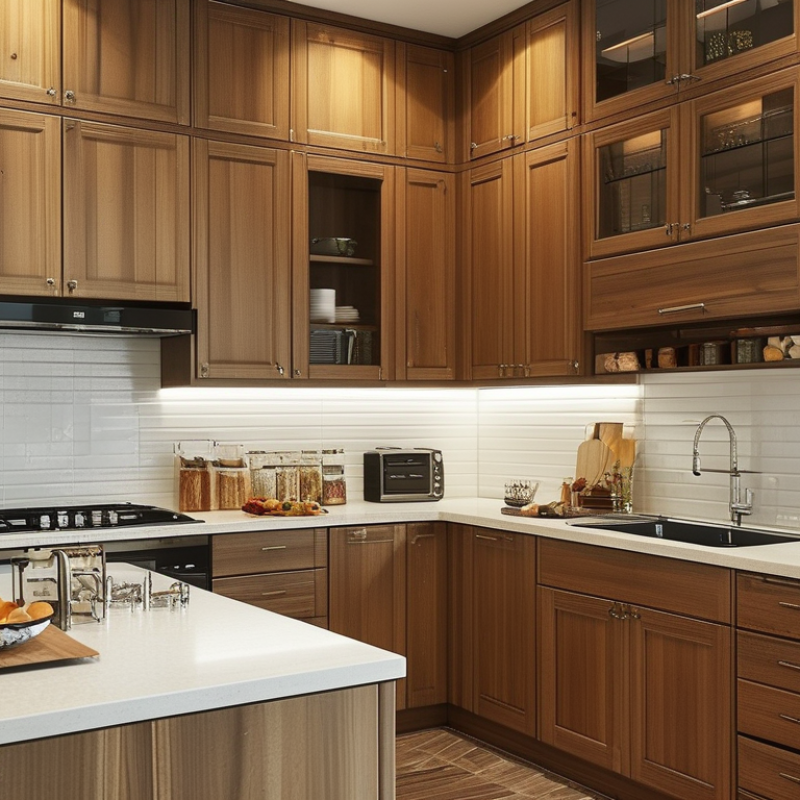
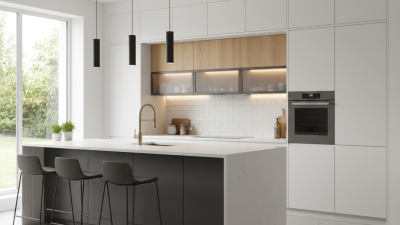
Many homeowners overlook the impact of upper cabinets on their space. Choosing the right style and material can elevate your kitchen’s overall appeal. For instance, sleek, modern upper cabinets can create a fresh ambiance. In contrast, rustic wooden cabinets can add warmth and character.
However, some may question their practicality. Are upper cabinets too high for everyone to reach? Can they make a small kitchen feel cramped? Addressing these concerns is essential. Understanding the balance between style and usability can lead to a more satisfying remodeling experience. Upper cabinets, when chosen wisely, can transform your environment beautifully.
Benefits of Upper Cabinets in Kitchen Design
Upper cabinets are a fundamental element in kitchen design, offering both functionality and aesthetic appeal. According to the National Kitchen & Bath Association (NKBA), upper cabinets account for nearly 60% of the overall cabinetry value in a kitchen remodel. This highlights their importance in maximizing storage while maintaining visual balance. With proper planning, homeowners can utilize the vertical space effectively.
Incorporating upper cabinets can transform a cramped kitchen into an organized space. Their elevation allows for the use of walls, freeing up floor space. Additionally, the choice of colors and finishes can create a dramatic impact. For example, light-colored cabinets can make a small kitchen feel larger. Conversely, dark finishes can add depth and richness. However, the challenge lies in selecting the right combination to prevent the kitchen from feeling too enclosed.
Yet, not all upper cabinet designs are practical. Some homeowners face difficulties reaching higher shelves, leading to underutilization of space. It’s crucial to weigh the benefits against these potential drawbacks. In a recent study, 40% of homeowners expressed dissatisfaction with the accessibility of their upper cabinets. This feedback underscores the need for thoughtful design that considers both aesthetics and functionality, ensuring every cabinet serves a purpose.
Why Choose Upper Cabinets for Your Kitchen Remodel? - Benefits of Upper Cabinets in Kitchen Design
| Benefit |
Description |
Example |
| Space Optimization |
Upper cabinets utilize vertical space, maximizing storage in smaller kitchens. |
Corner upper cabinets for additional storage. |
| Aesthetic Appeal |
Enhances the overall look of the kitchen with various designs and finishes. |
Glass-fronted upper cabinets for a modern touch. |
| Organization |
Allows for better organization of kitchen items, making them easily accessible. |
Use of baskets or organizers in upper cabinets. |
| Increased Functionality |
Provides flexible storage options for dishes, appliances, and pantry items. |
Adjustable shelving to accommodate various items. |
| Customization |
Can be customized in size, style, and configuration to fit any kitchen layout. |
Built-in wine racks or pull-out spice racks. |
Maximizing Space and Storage with Upper Cabinets
Upper cabinets are essential in maximizing space and storage in any kitchen remodel. According to the National Kitchen and Bath Association, almost 75% of homeowners prioritize storage when planning their kitchen layouts. Upper cabinets provide vertical storage solutions, utilizing the often-overlooked wall space. This approach can free up floor space, allowing for larger appliances or more movement within the kitchen area.
Incorporating upper cabinets effectively can improve accessibility to utensils and cookware. Reports from the Kitchen & Bath Industry Show revealed that kitchens with well-designed upper cabinets can increase functionality by up to 30%. However, it’s crucial to assess the height and placement of these cabinets. Poorly positioned cabinets can lead to challenges in reachability and usability. Striking the right balance between convenience and aesthetics is essential.
Moreover, it's vital to include adjustable shelving in upper cabinets. This provides flexibility for organizing various kitchen items. Custom storage solutions can accommodate everything from glassware to seasonal appliances. This adaptability is key to making the most of every inch in a kitchen. Research suggests that kitchens designed with flexibility in mind tend to be more user-friendly.
Design Versatility: Styles and Finishes of Upper Cabinets
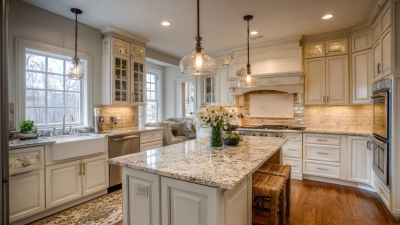
Upper cabinets serve as a key feature in kitchen remodels, offering both functionality and style. Design versatility in upper cabinets allows homeowners to transform their kitchens while reflecting personal tastes. Options range from sleek modern designs to classic rustic finishes. You can choose painted cabinets, natural wood grains, or even glossy finishes to add dimension. These choices enable customization that fits any kitchen layout or color scheme.
Materials matter. Opting for durable finishes is essential for long-term satisfaction. Wood adds warmth but may require maintenance. Laminates are easier to clean and resist stains. Glass-front cabinets can display dishware but come with cleaning challenges. When selecting styles, consider the overall kitchen aesthetic. Open shelving is trendy but might not suit everyone’s needs for storage.
It’s important to reflect on storage needs. Upper cabinets offer a chance to maximize space, but too many can make a kitchen feel cramped. Finding the right balance is critical. Functionality should lead your design choices. Remember that practicality should complement aesthetics. Prioritize what is essential for daily use to maintain both beauty and function.
Enhancing Kitchen Aesthetics with Upper Cabinets
Upper cabinets play a crucial role in kitchen design. They not only provide storage but also enhance the overall aesthetics of the space. Choosing the right style and finish can transform a dull kitchen into a vibrant hub. For instance, white cabinetry can make a small kitchen feel more expansive. On the other hand, darker colors add depth and drama. The choice of cabinet hardware also matters. Simple knobs or sleek handles can emphasize a contemporary look.
Textures and materials are key factors to consider. Wood adds warmth, while glass-front cabinets create an airy feel. Mixing materials can be an interesting design choice, but balance is vital. Too many contrasting elements might lead to chaos rather than harmony. Additionally, open shelving is an option for displaying beautiful dishware. However, it requires constant upkeep and may not suit everyone's lifestyle.
Lighting is another essential aspect that complements upper cabinets. Well-placed lights can highlight cabinets and make them stand out. Under-cabinet lighting serves a functional purpose too, illuminating countertops effectively. When planning a kitchen remodel, every detail counts. Reflecting on your personal style and practical needs can lead to a space that truly feels like home.
Why Choose Upper Cabinets for Your Kitchen Remodel?
Upper cabinets significantly enhance kitchen aesthetics and functionality. This chart illustrates the key factors influencing the decision to choose upper cabinets during a kitchen remodel, showcasing their importance in storage capacity, aesthetic appeal, cost efficiency, accessibility, and design versatility.
Cost-Effectiveness of Upper Cabinets in Kitchen Remodels
Upper cabinets can be a cost-effective choice for your kitchen remodel. They provide essential storage without taking up valuable floor space. Their installation is often less complex than base cabinets, reducing labor costs. Furthermore, upper cabinets typically require less material, which can lower your overall expenditure.
Designing a kitchen can feel overwhelming. It is easy to overlook the importance of wall storage. Upper cabinets can hold dishes, spices, and pantry items, keeping counters clutter-free. This functionality may lead to other expenses if you're left with insufficient storage. It’s worth considering the balance between style and efficiency.
When choosing upper cabinets, realize that not all designs are equal. Some finishes or custom options could raise costs significantly. Aim for a design that matches your kitchen's overall look but stays within budget. Reflect on your true needs. Consider practicality over trends to avoid regret later on. Your kitchen should serve you, not the other way around.