10 Essential Tips for Choosing the Perfect Dining Tables for Your Home
Choosing the right dining tables can transform your home. Renowned interior designer Emily Henderson once said, "Dining tables are the heart of the home." This very sentiment highlights their importance in not just functionality, but in creating memories.
When selecting dining tables, consider style, size, and material. Too often, people overlook how these elements impact the overall atmosphere. A table that’s too large can overwhelm a space, while a small one may feel inadequate. Think about the gatherings you envision. Will the table accommodate family dinners or lively parties?
Consider craftsmanship and longevity, too. A well-made table can last generations. However, trendy choices may not stand the test of time, leaving you with regrets. Each piece tells a story, and finding the right one means understanding your needs and desires. This journey can reveal the true essence of your dining experience.
Factors to Consider When Choosing Dining Table Size
When selecting the right dining table, size is crucial. A report from the National Kitchen & Bath Association indicates that the average dining table width is 36 to 42 inches. This measurement ensures comfort while dining. Yet, many overlook how space impacts choice.
Aim for at least 36 inches between the table and walls or furniture. This space allows for easy movement and accessibility. If your area is limited, a round table can often fit better and accommodate more people. You might find that a rectangular table works well for larger gatherings. However, it can feel cramped in smaller rooms.
Another important factor is the seating capacity. A general rule is to allow 24 inches per person. However, not everyone follows this guideline. Some choose to squeeze in extra chairs, which can lead to discomfort. Remember, an oversized table may look elegant, but it can make a small space feel congested. Take time to visualize how the table complements your design while ensuring everyone enjoys their meals comfortably.
Popular Dining Table Shapes and Their Impact on Space
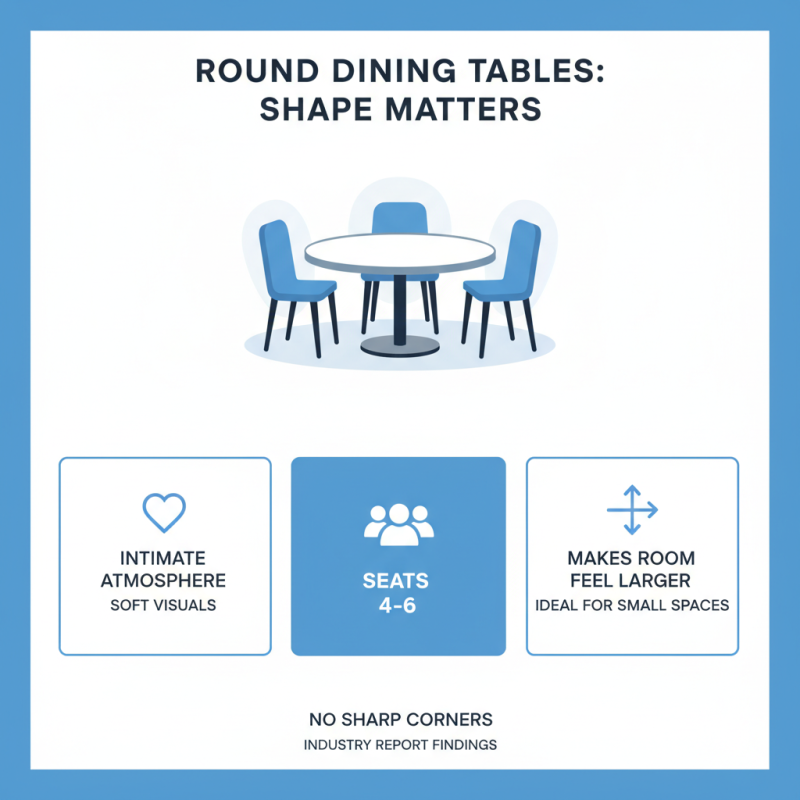
When choosing a dining table, shape matters immensely. Round tables often create an intimate atmosphere, perfect for smaller spaces. They offer a soft touch visually and can comfortably seat four to six people. According to a recent industry report, round tables can make a room appear larger, as they lack sharp corners. This is ideal for tight dining areas.
On the other hand, rectangular tables offer versatility. They fit well in long, narrow spaces. A rectangular table can easily accommodate more guests and serve as a central hub for gatherings. However, this shape can also feel imposing in smaller rooms. Experts suggest that a table wider than 36 inches may crowd the space, making movement difficult.
Square tables present a unique challenge. While they create balance, they can limit seating options. If not placed correctly, they may disrupt the flow of a room. It’s essential to measure your space thoroughly. A common mistake is underestimating the clearance needed for chairs. Ideally, 36 inches around the table allows for comfortable movement. Awareness of these details can help reflect your style without sacrificing functionality.
Materials and Finishes: Options for Dining Table Durability
When selecting a dining table, the materials and finishes greatly impact durability. Wooden tables offer warmth but need maintenance. They can warp from moisture or scratches. Hardwoods like oak and maple are durable options; however, they may not fit every budget. Particleboard or MDF can look stylish but might not withstand heavy use over time.
Metal tables are incredibly resilient. They resist scratches and stains. However, their cold aesthetic may not appeal to everyone. With metal, consider the finish. A powder-coated surface can create a barrier against rust. Glass tops can enhance the style but do require careful handling. They can easily show fingerprints or smudges, which might lead to frustration.
Ultimately, it’s crucial to consider how you plan to use your dining table. Will it host family gatherings or casual chats? This could impact your choice. Every material has its pros and cons. Reflect on your lifestyle. Choosing the right table isn't just about appearance; it's about longevity and practicality.
10 Essential Tips for Choosing the Perfect Dining Tables for Your Home - Materials and Finishes: Options for Dining Table Durability
| Material |
Durability Rating |
Maintenance Level |
Typical Finish Options |
| Solid Wood |
High |
Medium |
Natural, Stained, Painted |
| Composite Wood |
Medium |
Low |
Laminated, Veneered |
| Metal |
Very High |
Low |
Powder-coated, Polished |
| Glass |
Medium |
High |
Tempered, Frosted |
| Marble |
High |
Medium |
Polished, Honed |
Style and Aesthetic: Matching Dining Tables with Home Decor
Choosing the perfect dining table is crucial for your home decor. It should enhance your style. Think about the colors and materials in your space. A wooden table can add warmth. Metal tables bring an industrial flair. Mix and match finishes for a unique look.
Tip: Consider the size of your room. A small dining space needs a compact table. Round tables often work better in tight areas. They allow easier movement and add a casual vibe. If your room is large, you can experiment with a statement piece.
Don't forget the details. Table shape matters. Rectangular tables are classic, while oval shapes can soften harsh lines. Pay attention to the legs and base design. A pedestal base can offer more legroom. Take your time to find the best match. Sometimes, the perfect table isn't what you first imagined. Reflect on how it fits with your style and mood of the room.
Budgeting for Your Dining Table: Finding Quality within Your Price Range
When budgeting for the perfect dining table, it's essential to identify your price range. Think about what you can comfortably spend. Prices can vary significantly based on materials and design. A solid wood table may cost more, but it often lasts longer. Cheaper options might not hold up well over time. It's important to weigh these factors against your budget.
Explore different styles and finishes within your price range. Some tables may look beautiful but not meet your needs. Consider the size and shape that will fit your space. A small round table might suit a compact dining area better than a large rectangular one. Don’t rush the decision. Reflect on your choices carefully. It’s easy to get caught up in the aesthetics. Focus on durability and functionality, too. You might find something unexpected that suits both your style and budget.
Budgeting for Your Dining Table: Price Range vs. Quality Score
This chart illustrates the quality score of dining tables in relation to different price ranges. It showcases how spending more typically correlates with higher quality ratings, providing a visual guide for consumers looking to balance budget and quality.