Leave Your Message

10 Essential Tips for Choosing the Best Shelving Units for Your Space

When it comes to optimizing your living or workspace, selecting the right shelving units can make a significant difference. Expert in interior design and organization, Emily Griffin, emphasizes, "The right shelving units not only help you declutter but also enhance the aesthetic appeal of your environment." With a plethora of options available, making the right choice can be overwhelming. However, understanding the key factors to consider can lead you to shelving solutions that perfectly match your style and storage needs.

In our guide, "10 Essential Tips for Choosing the Best Shelving Units for Your Space," we will explore how to assess your particular requirements, measure the available space, and identify materials that suit your décor while maintaining functionality. From floating shelves to traditional bookcases, knowing the different types and their applications can help you create a harmonious and practical environment. Join us as we delve into practical advice that can transform your space with the perfect shelving units.

10 Essential Tips for Choosing the Best Shelving Units for Your Space

Choosing the Right Material: Wood, Metal, or Plastic for Your Shelving Units

When selecting shelving units, the material plays a critical role in both aesthetics and functionality. Wood, metal, and plastic each offer unique advantages, making it essential to choose based on your specific needs. For instance, wooden shelving units provide a classic and warm look, making them ideal for living areas and offices. They are sturdy, capable of holding heavy items, and can be easily stained or painted to match your décor.

On the other hand, metal shelving is known for its durability and modern appearance. It's perfect for industrial or minimalist spaces and can support a substantial amount of weight, making it suitable for warehouses or garage storage. However, proper care is necessary to prevent rust if placed in humid environments. Plastic shelving units are lightweight and often more affordable, making them a great option for children’s rooms or garages. They are resistant to moisture and easy to clean, though they may not support heavier items as effectively as wood or metal.

When choosing shelving units, consider the following tips: 1) Evaluate the weight capacity needed based on what you plan to store. 2) Take into account the environmental factors—humid or damp conditions might dictate material choice. 3) Think about the overall style and how the shelving will complement your existing decor.

Assessing Your Space: Measuring Dimensions and Considering Layout Options

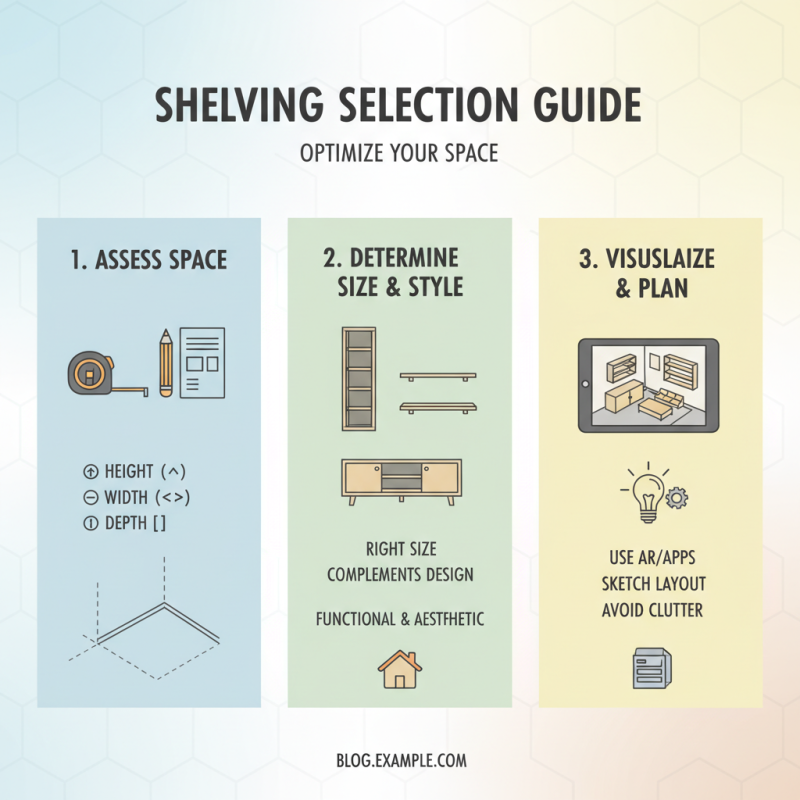
When selecting shelving units for your space, the first step involves a thorough assessment of the area where the units will be placed. Begin with measuring the dimensions of your room, paying close attention to the height, width, and depth available. This will help you determine the size of the shelving units that will fit comfortably without overcrowding the space. Remember to also account for any obstacles such as doors, windows, and outlets that could affect the placement of your shelves.

In addition to measuring, consider the layout options that can enhance both functionality and aesthetics. Think about whether you prefer a single large unit or multiple smaller ones, and how they can be arranged to optimize storage while maintaining an open feel. Take into account how the shelving will interact with other furniture and the overall flow of the room. Visualizing different configurations can help you better understand how the shelving will serve its purpose, while complementing the existing décor and enhancing the overall atmosphere of your space.

Maximizing Storage Efficiency: Open vs. Closed Shelving Designs

10 Essential Tips for Choosing the Best Shelving Units for Your Space

When selecting shelving units, a fundamental consideration is the choice between open and closed designs, each offering distinct advantages for maximizing storage efficiency. Open shelving is ideal for spaces that require easy access to items. It encourages organization and displays contents aesthetically, making it perfect for kitchens and living areas where items like dishes and books can serve as decor. Additionally, open shelves can make a room feel larger and more inviting, as they create an uninterrupted line of sight. However, this design may require more frequent cleaning and can lead to dust accumulation.

Conversely, closed shelving units provide a practical solution for cluttered environments. They conceal items, which is particularly beneficial for spaces needing a tidy appearance. Closed designs often come with doors, ensuring that belongings remain dust-free while also offering more security for valuable items. These units can also be fit into smaller or less aesthetically pleasing areas, providing an efficient way to hide storage without sacrificing style. Ultimately, the choice between open and closed shelving should align with your organization needs, aesthetic preferences, and the specific requirements of your space.

Aesthetic Appeal: Blending Shelving Units with Your Existing Decor

10 Essential Tips for Choosing the Best Shelving Units for Your Space

When selecting shelving units, aesthetic appeal is paramount in blending them seamlessly with your existing decor. Research from the interior design industry indicates that 75% of homeowners prioritize aesthetics when purchasing furniture. Thus, it’s vital to choose shelving units that not only serve their intended purpose but also enhance the visual harmony of your space.

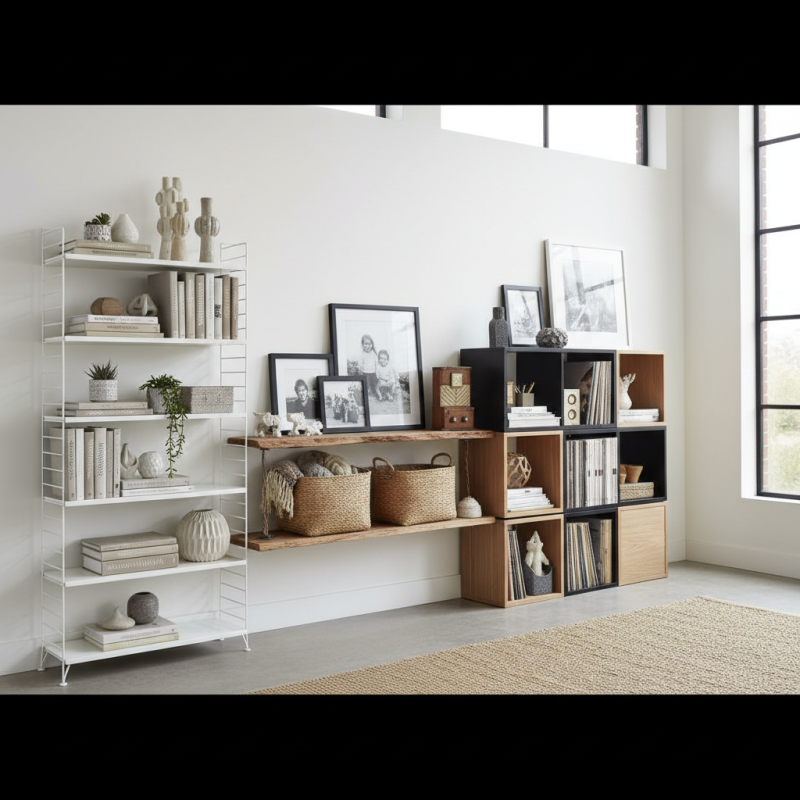
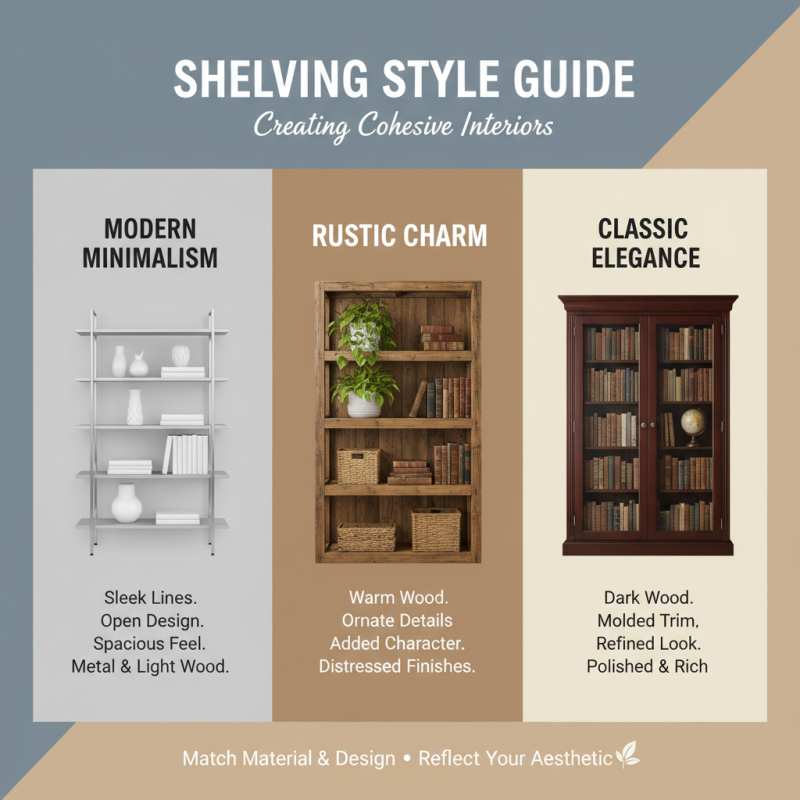
One effective tip is to select a unit that complements the color palette of your room. For instance, if you have earthy tones in your decor, consider shelving with a natural wood finish or muted colors. Another consideration is the style of the shelving; open shelving units can provide a chic, modern touch, reminiscent of design trends seen in celebrity homes that marry style with functionality. This trend emphasizes the use of unique designs, such as bespoke shelving that allows for personalization while ensuring everything remains organized and attractive.

Additionally, incorporating elements like statement pieces or decorative boxes on your shelves can elevate the overall look. As seen in recent design trends, integrating open shelving into living spaces not only maximizes storage but also acts as a canvas for creativity. Ultimately, the right shelving unit can be a bold statement that ties together the room's aesthetic, making it feel cohesive and inviting.

Weight Capacity and Durability: Ensuring Your Shelving Can Handle Your Needs

When selecting shelving units, understanding weight capacity and durability is paramount to ensuring that the shelves meet your specific storage requirements. According to a report by the Home Improvement Research Institute, nearly 60% of consumers prioritize these factors when making a purchase decision. This makes sense, as inadequate shelving can lead to accidents and damaged items if they can't withstand the intended load. For instance, industrial-grade shelving can support weights of up to 2,000 pounds per shelf, while residential options typically handle about 200 to 400 pounds depending on material and design.

Moreover, durability is directly linked to the materials used in constructing the shelves. Steel shelving, for example, is often recommended for its strength and longevity, providing better weight distribution than wooden shelves, which may sag over time. A study published in the Journal of Storage and Retrieval Technologies highlighted that metal shelving units exhibit a lifespan of over 20 years compared to an average of 10 years for wooden shelves, making it a wise long-term investment for households and businesses alike. Ensuring that you select shelving with appropriate weight capacity and robust materials will ultimately save you time, stress, and money in the long run.

10 Essential Tips for Choosing the Best Shelving Units for Your Space - Weight Capacity and Durability

Material Weight Capacity (lbs) Durability Rating (1-10) Best Use Case
Wood 200 8 Living Room
Metal 500 9 Garage
Plastic 150 6 Kids Room
Glass 100 7 Display
Particle Board 175 5 Bedroom