2025 Guide: How to Choose the Perfect Dining Table for Your Home
In the realm of interior design, dining tables occupy a central position, serving not just as a functional piece, but as a vital element of social interaction and family bonding. According to a recent report by the National Kitchen and Bath Association, over 70% of homeowners prioritize dining tables as essential furnishings when renovating their living spaces. This data underscores the significance of selecting the perfect dining table, which can enhance the aesthetic appeal of the home while also fulfilling practical needs.
As we approach 2025, the marketplace is flooded with a myriad of dining table options, ranging from minimalist designs to ornate settings. The 2023 Furniture Trends report indicated that both sustainability and versatility are driving consumer preferences, with more than 60% of buyers opting for eco-friendly materials that align with their lifestyle choices. Understanding the dynamic landscape of dining tables becomes crucial for homeowners looking to make informed decisions that reflect their personal style and cater to their functional requirements. In this guide, we will explore the top five considerations when choosing a dining table that complements your home, ensuring it becomes a cherished centerpiece for years to come.
Choosing the Right Material: A Look at Durability and Style for Dining Tables
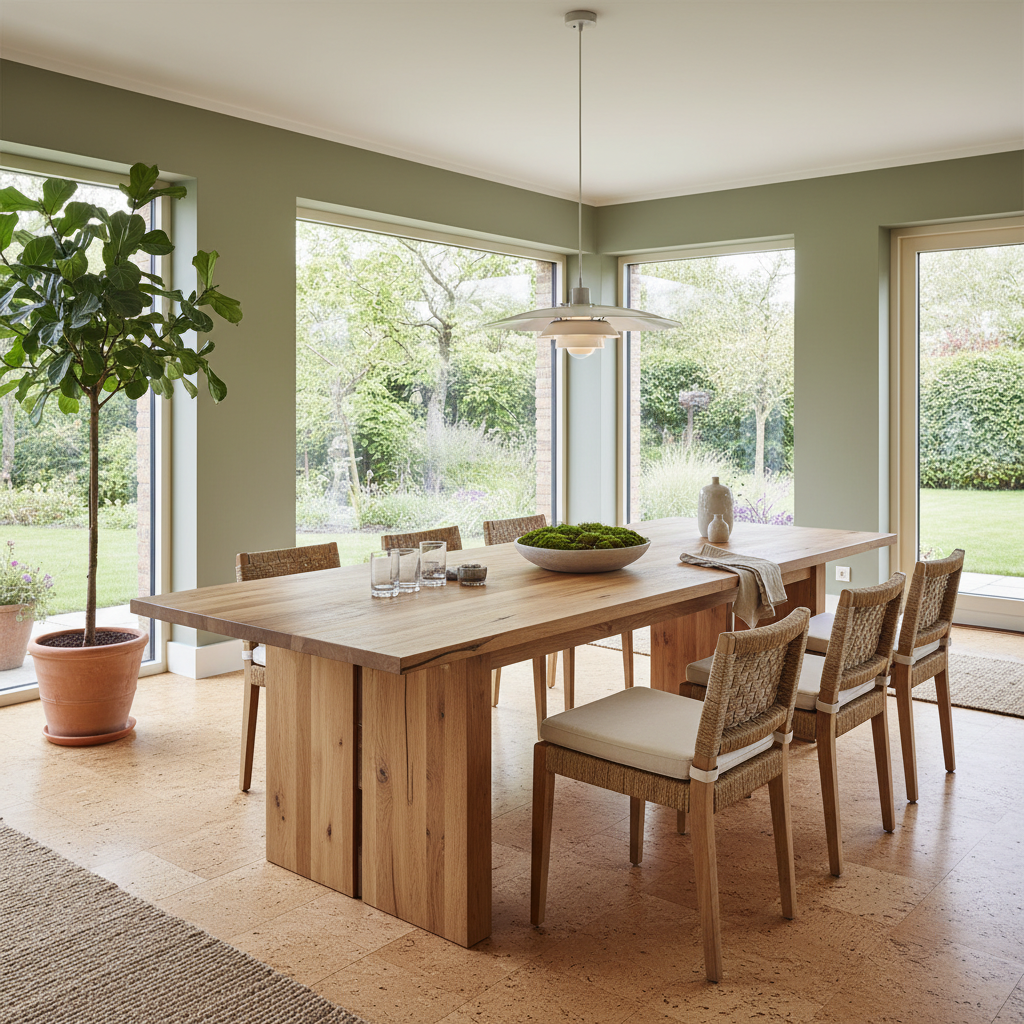
When selecting the perfect dining table for your home in 2025, one of the most crucial factors to consider is the material. Different materials offer varying levels of durability and style, influencing both the aesthetic of your dining area and the longevity of your investment. For instance, solid wood tables provide a timeless appeal with superior durability, making them an excellent choice for families and entertaining guests.
On the other hand, materials like tempered glass or metal can create a modern and sleek look, appealing to trendy homeowners who prioritize visual impact.
In addition to material considerations, it’s essential to reflect on how your dining table will fit into your lifestyle. If you often host large gatherings, a robust table made from durable materials can withstand frequent use and occasional spills. For smaller spaces, consider tables that optimize functionality without sacrificing style, such as those with extendable features or smart designs.
With 2025’s diverse offerings in dining table styles, from minimalist to luxurious, finding the right piece to complement your home decor and meet your practical needs is more accessible than ever.
Understanding Space and Layout: How to Measure for Your Ideal Dining Table Size
When selecting the perfect dining table, understanding your space and layout is paramount. The average dining room in U.S. homes has decreased in size, with many new constructions offering around 10x12 feet, making it essential to choose a table that fits harmoniously within the environment. According to the National Kitchen and Bath Association, a comfortable approach is to allow at least 36 inches of walking space around the table, which promotes movement and accessibility, especially when hosting larger gatherings.
To determine the ideal dining table size, measure your available space carefully. If you prefer a round table, a diameter of 48-60 inches is recommended for a comfortable seating arrangement of four to six people. For rectangular tables, a length of 72-96 inches can accommodate eight or more guests without crowding, as identified in a recent report by the American Society of Interior Designers. Additionally, consider the table's height—standard dining tables are typically around 28 to 30 inches tall—ensuring that chairs are compatible for a comfortable dining experience. Taking these measurements into account will help you create a functional and inviting dining space that reflects your personal style.
Exploring Seating Capacity: Finding the Right Number of Seats for Your Family
When choosing the perfect dining table for your home, one of the most significant factors to consider is seating capacity. Understanding how many people you typically host for meals can help you select a table that not only fits your space but also accommodates your family's needs. For smaller families or intimate gatherings, a round or square table with four to six seats might be ideal. These shapes facilitate conversation and make movement around the table easier, fostering a cozy dining atmosphere.
For larger families or those who love to entertain, opting for a rectangular table with the ability to expand can be a smart choice. Rectangular tables provide ample room for more diners and can often be adjusted to seat anywhere from six to twelve people. Consider your style of entertaining—if you frequently host dinner parties or holiday gatherings, investing in a table with a larger seating capacity will ensure that everyone has a place at the table. Ultimately, the right choice balances functional seating with aesthetic appeal, ensuring your dining area remains inviting and practical for all occasions.
2025 Guide: How to Choose the Perfect Dining Table for Your Home - Exploring Seating Capacity
| Seating Capacity |
Table Size (Length x Width) |
Ideal For |
Shape |
| 2-4 People |
30"x48" |
Small Families or Couples |
Rectangular |
| 4-6 People |
36"x60" |
Medium-sized Families |
Rectangular or Oval |
| 6-8 People |
40"x72" |
Large Families or Entertainers |
Rectangular |
| 8-10 People |
42"x84" |
Large Gatherings |
Rectangular or Round |
| 10+ People |
48"x96" |
Large Families or Formal Events |
Rectangular |
Design Trends for 2025: Incorporating Popular Styles into Your Dining Room
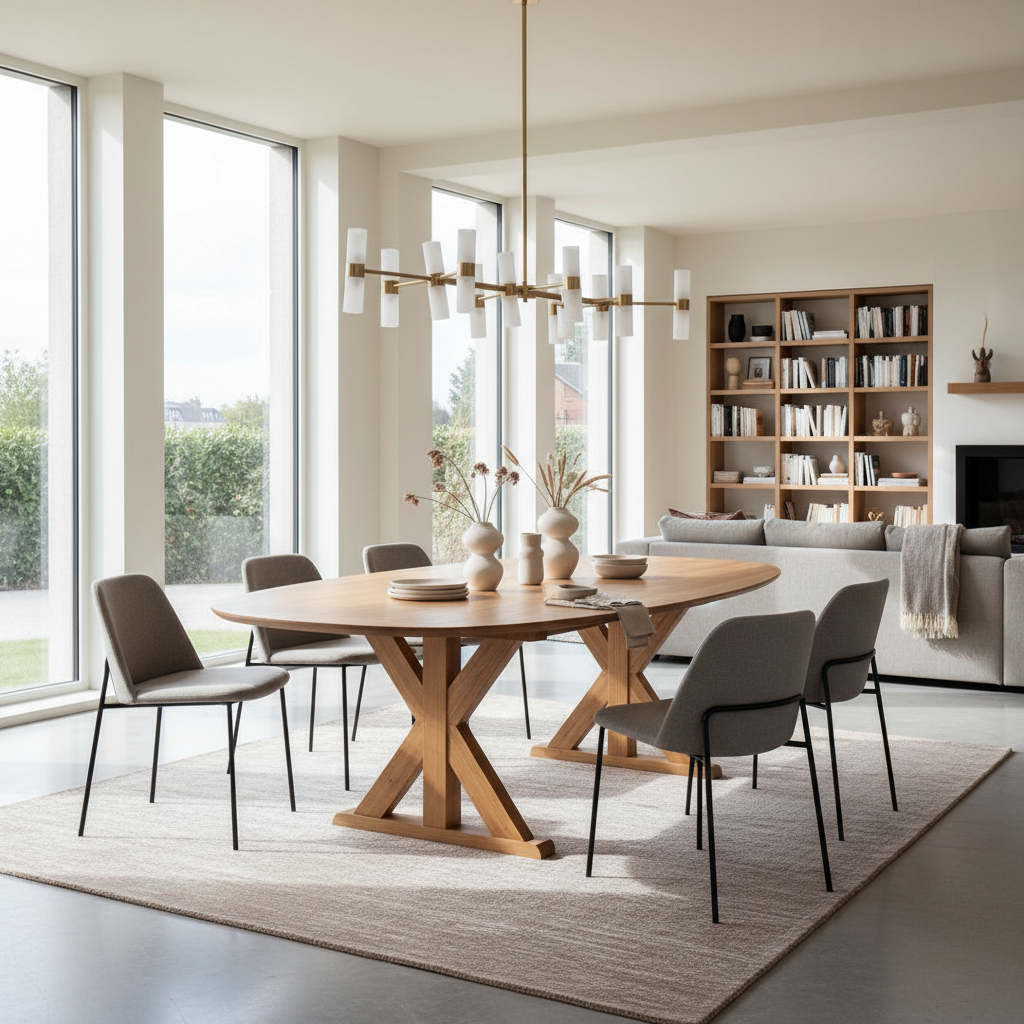
As we look to 2025, the dining room emerges as a space where personal style meets functionality. This year, major design trends highlight the significance of sustainability and versatility in selecting a dining table. According to a recent report by the Global Furniture Alliance, 65% of consumers prioritize eco-friendly materials when purchasing furniture, indicating a shift towards sustainable design practices that cater to environmentally conscious buyers. Dining tables made from reclaimed wood or responsibly sourced materials not only align with these trends but also add unique character to your dining space.
In addition to sustainability, minimalism remains a dominant theme in dining room design. The 2023 Home Design Trends Report emphasizes that 58% of homeowners prefer clean lines and simple forms in their furniture selections. This trend is reflected in the growing popularity of extendable dining tables that offer flexibility for both intimate dinners and larger gatherings. Color palettes are also evolving, with neutral tones being favored, as they provide a calming backdrop while allowing for personalization through table settings and décor. By incorporating these popular styles, you can create a dining space that seamlessly blends trendiness with your individual aesthetic.
Budgeting for Quality: Analyzing Cost vs. Value in Dining Table Selection
When it comes to selecting a dining table, understanding the balance between cost and value is crucial. A dining table is not merely a surface for meals but a centerpiece for family gatherings, celebrations, and daily interactions. Therefore, investing in a quality piece that can withstand the test of time is essential. While it might be tempting to opt for cheaper alternatives, they often compromise on durability and aesthetics. A well-constructed table made from solid wood or high-quality materials may come with a higher upfront cost, but its longevity and timeless design can lead to greater value over the years.
To effectively budget for your dining table, start by determining your needs regarding size, style, and material. Researching options within your price range can help you identify which features are worth spending on. For example, a table with a versatile design and high-quality finish can serve both functional and decorative purposes. Additionally, consider the potential resale value; classic designs tend to hold their worth better than trendy items. By analyzing cost versus value, you can make a more informed decision that enhances your home while ensuring that your investment reflects your lifestyle and preferences.