What is Kitchen Layout Types and How to Choose the Best One?
Choosing the right kitchen layout is crucial for any home. It influences the workflow and overall ambiance. A well-planned Kitchen Layout can enhance functionality. Whether you are cooking, cleaning, or entertaining, every step matters.
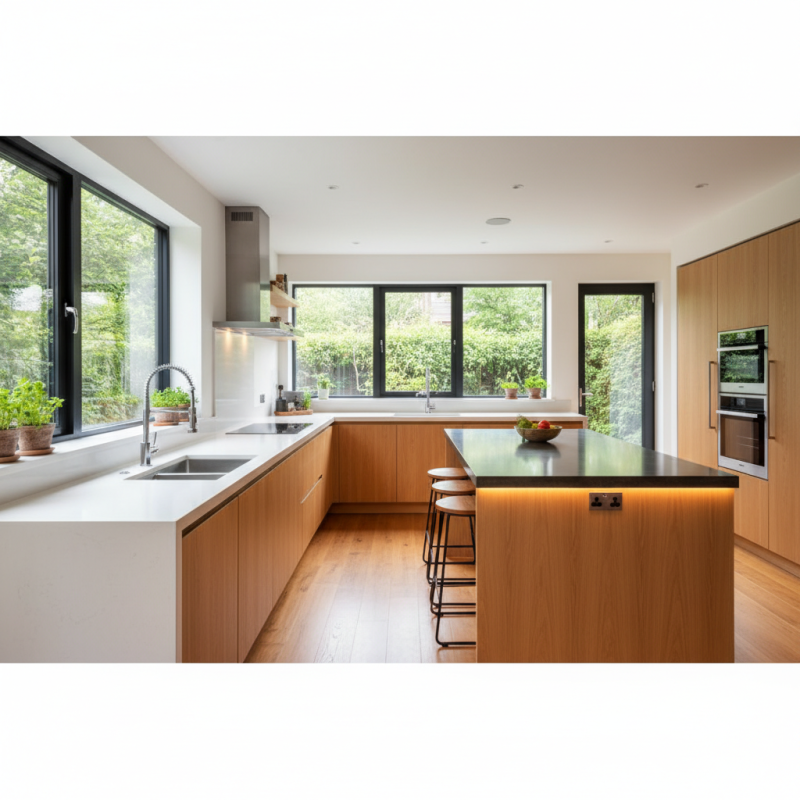
There are different types of kitchen layouts. Each has its unique advantages and challenges. For instance, the L-shaped kitchen offers great flexibility but may lack enough storage. On the other hand, a U-shaped kitchen can be spacious, yet might feel confined. Understanding your space is essential.
Designing the perfect kitchen layout can be overwhelming. Many homeowners grapple with practical needs versus aesthetic desires. Reflecting on your lifestyle can ensure you choose wisely. Take time to envision how you'll use the space daily. A thoughtful approach can lead you to the best Kitchen Layout for your needs.
Understanding Kitchen Layout Types: An Overview
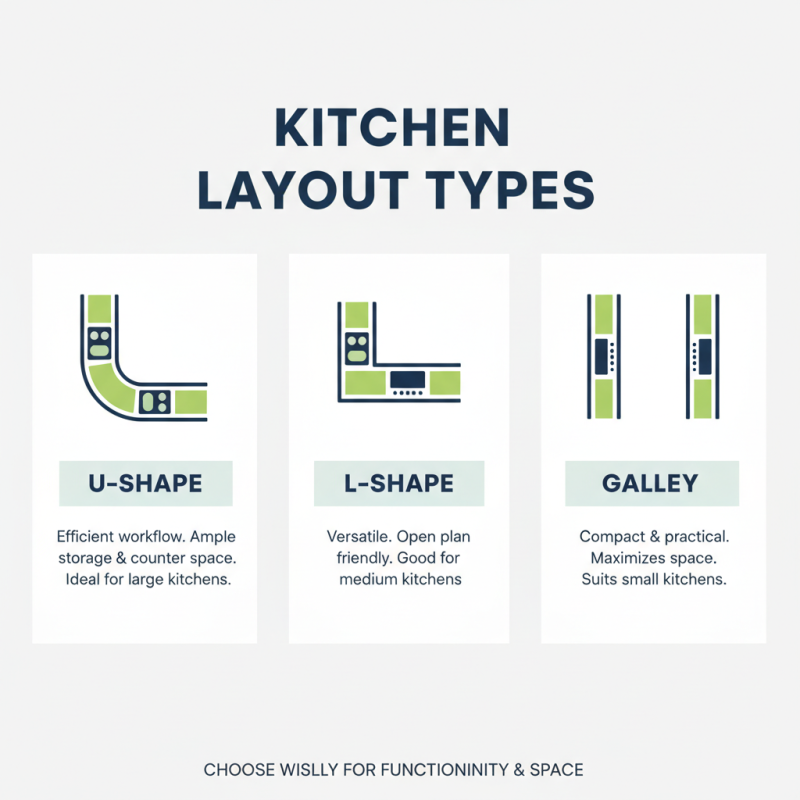
When designing a kitchen, understanding the layout types is crucial. Different layouts suit various needs and spaces. The most common types are U-shape, L-shape, and galley. Each layout offers unique advantages based on functionality.
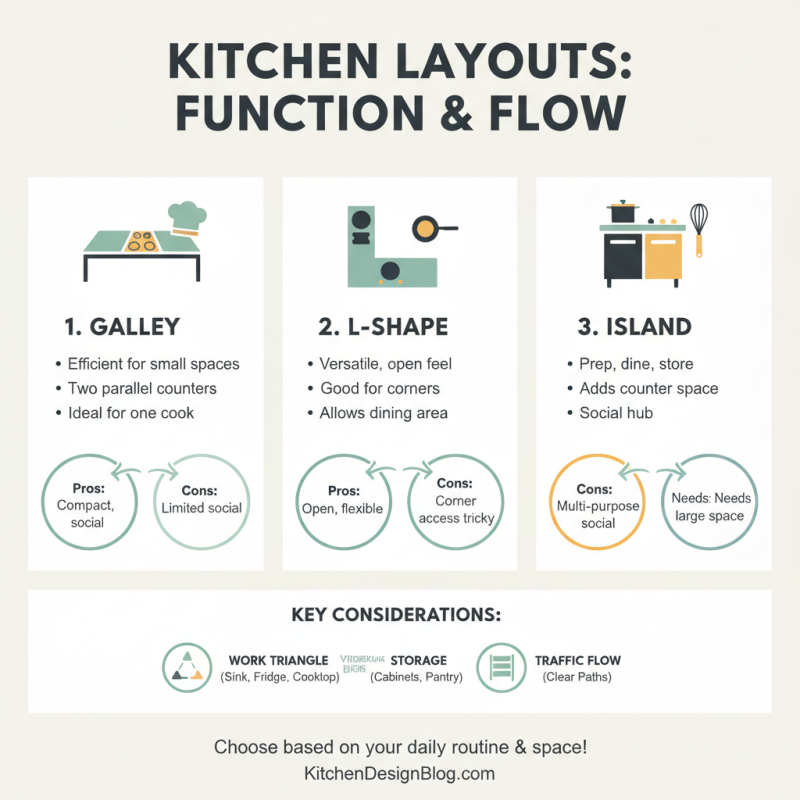
U-shape kitchens provide ample counter space. They are perfect for multitasking while cooking. L-shape kitchens maximize corner spaces. This layout encourages an open feel. Galley kitchens, on the other hand, are efficient in narrow spaces. They have workstations on either side, making movement easy.
Choosing the right layout can be challenging. It depends on your cooking style and the space available. Think about your daily activities in the kitchen. Are you often entertaining guests? That might influence your layout choice. Reflecting on these factors can help you make a more informed decision. Ultimately, the goal is to create a kitchen that meets your needs.
The Importance of Choosing the Right Kitchen Layout
Choosing the right kitchen layout is crucial for both functionality and aesthetic appeal. A well-designed kitchen can enhance workflow, making cooking and entertaining more enjoyable. According to industry reports, a kitchen remodel can yield a return on investment of up to 70-80%. This statistic underscores the importance of thoughtful planning, especially when it comes to layout.
One common mistake is neglecting the work triangle concept, which emphasizes an efficient relationship between the stove, sink, and refrigerator. Research indicates that kitchens lacking this design often result in cramped spaces and inefficient movements. This can lead to frustration during meal prep and clean-up. It’s vital to visualize your kitchen's flow.
Tips: When choosing a layout, consider your cooking habits. If you often host gatherings, an open-plan design might suit you best. Conversely, if you prefer a cozy cooking environment, a U-shaped layout could provide the enclosed space you need. Evaluate your needs. Not everyone requires extensive counter space or an island. Adjusting your expectations can lead to a layout that feels just right.
Kitchen Layout Types and Their Popularity
Key Features of Different Kitchen Layouts
When choosing a kitchen layout, understanding the key features of different types is essential. The most common layouts are the L-shaped, U-shaped, galley, and island kitchen designs. Each has its strengths and weaknesses. For example, the U-shaped design offers ample storage and workspace, making it ideal for larger kitchens. According to industry reports, about 40% of homeowners prefer this layout for its efficiency.
The L-shaped layout maximizes corner spaces and opens kitchen areas to living spaces. It is great for casual cooking and entertaining. However, it may lack storage compared to other designs. Galley kitchens, favored in smaller homes, feature parallel countertops. They are often space-efficient, but navigating them can feel cramped.
Tip: Consider traffic flow when selecting your layout. A well-planned kitchen allows easy movement between work zones. Don’t forget to reflect on the needs of your household. What works for one family may not suit another. An island kitchen offers versatility but requires more space and careful planning. Ensure your layout complements your cooking and entertaining style.
What is Kitchen Layout Types and How to Choose the Best One? - Key Features of Different Kitchen Layouts
| Layout Type |
Description |
Key Features |
Best For |
| L-Shaped |
Utilizes two walls adjacent to each other, creating an 'L' shape. |
Efficient use of space, open design, easy traffic flow. |
Small to medium-sized kitchens. |
| U-Shaped |
Involves three walls forming a U shape for maximum storage. |
Ample counter space, efficient workflow. |
Families and larger kitchens. |
| Galley |
Two walls facing each other with a narrow passage in between. |
Compact layout, efficient for cooking. |
Small spaces and apartments. |
| Island |
Central island with work areas and seating. |
Versatile, extra storage and seating options. |
Open floor plans and larger kitchens. |
| Peninsula |
Connected to the main counter with one side open. |
Offers additional workspace and storage. |
Medium to large kitchens. |
Factors to Consider When Selecting a Kitchen Layout
Choosing the right kitchen layout is essential for functionality and comfort. First, think about your cooking habits. Do you cook often or occasionally? This will affect your space needs. For a busy kitchen, an efficient work triangle is crucial. Place the sink, stove, and fridge close together. This minimizes steps and helps streamline your cooking process.
Next, consider the kitchen's size and shape. A small kitchen may benefit from a galley layout, maximizing every inch. Open layouts are great for social interactions. However, they can feel chaotic when multiple people cook together. Reflect on how you use the space. Is it a place to entertain or just cook? It's vital to prioritize your lifestyle in the design.
Lighting is another critical factor in kitchen layouts. Natural light can make the space feel larger. But, also incorporate task lighting for cooking areas. Overhead lights alone can create shadows. Take a moment to think about how you use light in your kitchen. You may find areas that need improvement. A well-lit kitchen invites creativity. Be mindful of how layout impacts both functionality and ambiance.
Tips for Optimizing Your Chosen Kitchen Layout
Choosing the right kitchen layout can significantly impact your cooking experience. Focus on functionality and design. Think about how you use the kitchen space daily.
To optimize your kitchen layout, consider the "work triangle" concept. This idea emphasizes proximity between the sink, stove, and refrigerator. Keeping these essentials close saves time and energy. Ensure there is adequate counter space near your cooking zone. This helps you prepare meals more efficiently.
Incorporate storage solutions that match your layout. Drawers, cabinets, and open shelves can declutter your countertops. Be mindful of the height of these storage options. Some items may be hard to reach or see. Reflect on your cooking habits to keep often-used utensils within arm's reach. Listen to your space. A well-organized kitchen brings joy and ease to cooking.