What is Space Planning and Why It Matters for Your Business?
Space Planning is an essential aspect of any business environment. It involves organizing and optimizing physical space to enhance functionality. Effective space planning can lead to increased productivity and improved employee satisfaction. Companies that prioritize this process often see better workflow and enhanced collaboration.
When done right, space planning reflects a company's culture and operational needs. However, many businesses overlook its significance. They may focus solely on aesthetics, forgetting that layout influences daily operations. An efficient design can boost morale and streamline processes.
On the other hand, poor planning can lead to chaos and inefficiency. Workers may feel cramped or distracted, hindering performance. Reflecting on space utilization is crucial. Every square foot should serve a purpose. Understanding the balance between function and design will ultimately elevate a business's success.
Understanding the Concept of Space Planning in Business Environments
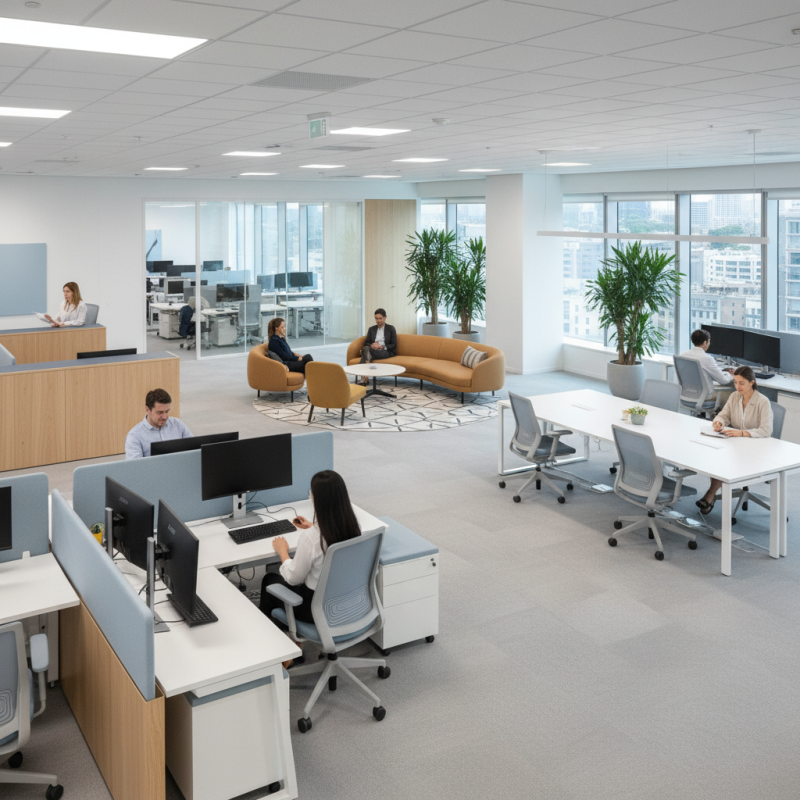
Space planning plays a crucial role in optimizing business environments. It involves arranging physical spaces strategically to enhance functionality and improve employee productivity. A report from the International Facility Management Association indicates that effective space planning can increase employee efficiency by up to 30%.
In office design, maximizing usable space is essential. Poor layout can lead to wasted areas and hinder collaboration. For example, open-plan offices are favored for encouraging teamwork, but they can also introduce noise distractions. A Cushman & Wakefield report highlights that 39% of employees feel a lack of privacy impacts their work performance. Businesses must strike a balance between openness and the need for focused environments.
Considering employees’ needs during space planning is vital. Each workspace should cater to different tasks, from private offices for deep work to collaborative areas for group discussions. The same Cushman & Wakefield study found that organizations with tailored spaces see a rise in employee satisfaction levels. Ignoring these aspects may lead to disengaged employees and decreased morale. Proper space planning is not merely about aesthetics; it directly affects a business's bottom line.
The Importance of Effective Space Planning for Operational Efficiency
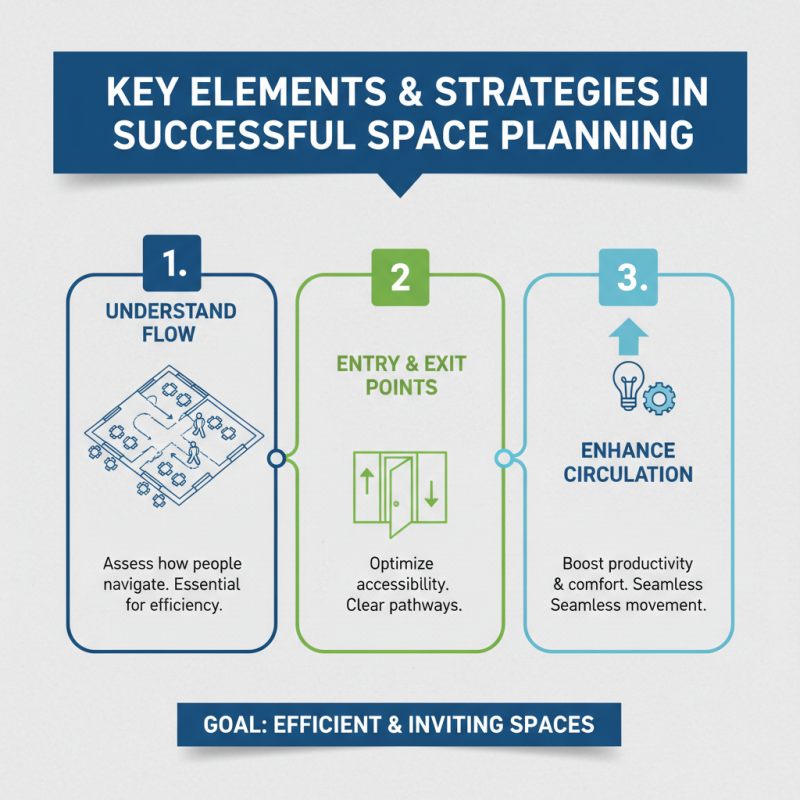
Effective space planning is crucial for operational efficiency. It involves organizing physical spaces to enhance productivity. A well-designed workspace can improve employee morale and collaboration. When teams work in efficient layouts, they communicate better. This leads to faster decision-making and problem-solving.
Space planning also impacts resource management. Ineffective use of space often results in wasted time and resources. For example, if departments are too far apart, sharing information becomes a challenge. Employees may spend too much time walking. Additionally, poor layout can hinder workflow. When paths are blocked, frustration can arise. Reflecting on these aspects is essential for improvement.
Moreover, flexibility in space planning is vital. Business needs change over time. As teams grow or shift, layouts must adapt. Static designs can become obsolete quickly. Regularly reassessing space usage can prevent stagnation. This approach fosters a culture of adaptability. In various industries, flexibility aligns with strategic goals. Taking the time to evaluate and adjust space is a mark of a forward-thinking organization.
Common Challenges in Space Planning and How to Overcome Them
Space planning is crucial for optimizing work environments. However, many businesses face common challenges in this area. Limited space, poor layout, and ineffective communication can hinder productivity and employee satisfaction.
To tackle limited space, consider multifunctional furniture. It maximizes utility while minimizing clutter. Encourage team input on layout designs to understand their needs better. Sometimes, the toughest aspect is the emotional resistance to change. Change management sessions can help address fears.
Poor communication often leads to misunderstandings about space requirements. Regular meetings can foster transparency. Additionally, maintain updated floor plans. Use visual management tools to showcase space usage effectively. Space planning needs continuous evaluation, as needs evolve over time. Adapting helps avoid stagnation and dissatisfaction. Space planning may not be perfect, but reflecting and adjusting is vital. Each iteration improves productivity and employee wellbeing.
What is Space Planning and Why It Matters for Your Business? - Common Challenges in Space Planning and How to Overcome Them
| Dimension |
Description |
Common Challenges |
Solutions |
| Functionality |
Ensures the space serves its intended purpose effectively. |
Mismatch between space design and actual usage. |
Conduct regular user feedback sessions to adjust layouts. |
| Aesthetics |
Creates an appealing environment that reflects brand identity. |
Outdated or inconsistent design elements. |
Update designs periodically; involve design professionals if necessary. |
| Efficiency |
Maximizes space usage to provide an efficient workflow. |
Inefficient layouts leading to congestion or wasted space. |
Use space analysis tools to optimize layout. |
| Flexibility |
Allows for adaptable use of space for changing needs. |
Rigid layouts that do not accommodate growth or change. |
Design spaces with modular furniture and movable walls. |
| Safety |
Ensures a safe environment for all occupants. |
Ignoring safety regulations in space design. |
Stay updated with local regulations; conduct safety audits. |
The Impact of Space Planning on Employee Productivity and Satisfaction
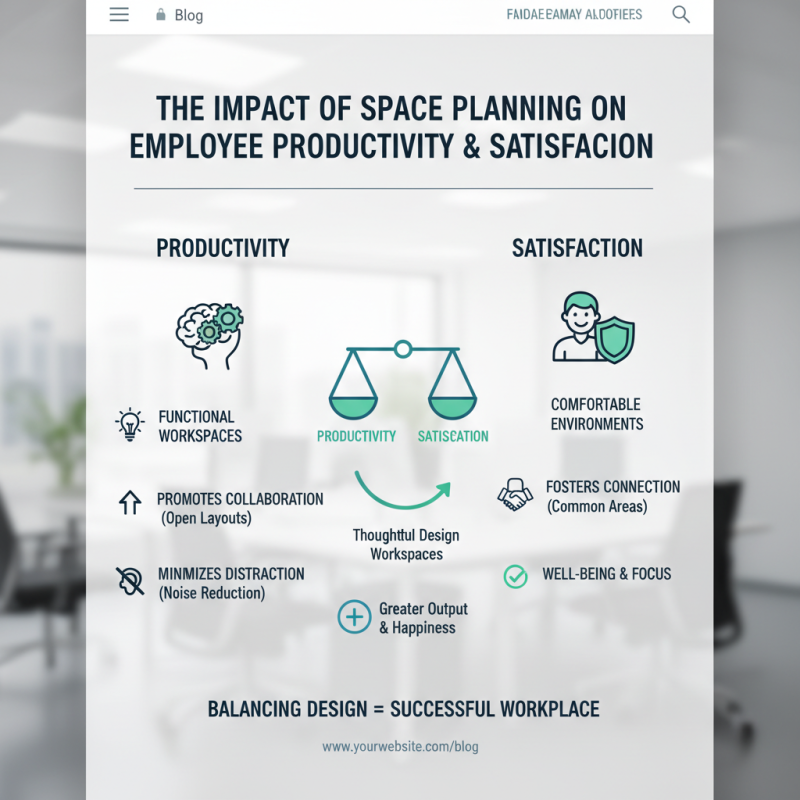
Space planning plays a crucial role in fostering employee productivity and satisfaction. Thoughtful design ensures that workspaces are functional and comfortable. For instance, open layouts can promote collaboration, but excessive noise may hinder concentration. Balancing these factors is essential.
The arrangement of furniture impacts workflow. Desks positioned too close can lead to distractions, while isolated workspaces may cause feelings of isolation. Employees need areas for both focused work and teamwork. Quiet zones can provide much-needed respite from a busy environment.
Additionally, natural light significantly influences mood. Spaces that maximize daylight can enhance energy levels and reduce stress. However, not every workspace can achieve this. Reflecting on how to improve space utilization is vital. Striking the right balance between aesthetics and functionality can elevate employee morale, but it requires continuous evaluation.