What is a Standing Desk? Benefits, Types, and Buying Guide Explained
In recent years, the concept of the standing desk has gained significant traction as professionals seek to combat the adverse health effects of prolonged sitting. A standing desk, designed to allow users to work while standing or easily transition between sitting and standing, offers an innovative approach to enhancing workplace ergonomics. With the rise of sedentary lifestyles and increasing concerns about posture and overall well-being, these desks have emerged as a popular alternative for many individuals aiming to lead a healthier work routine.
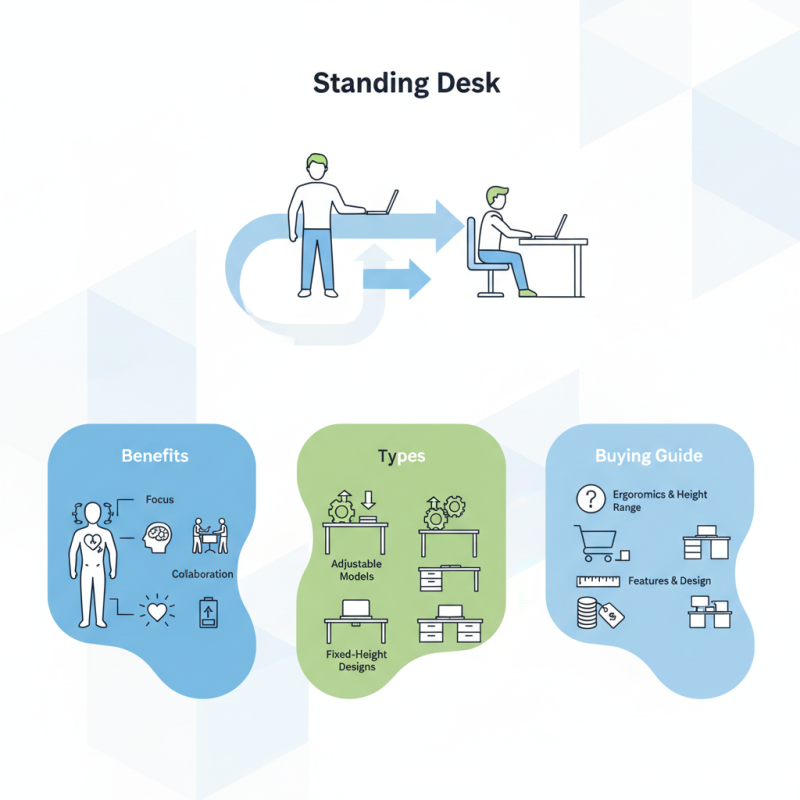
The advantages of incorporating a standing desk into your workspace extend beyond mere physical health; they can also positively impact productivity and energy levels. Users often report increased focus and collaboration when using a standing desk, making it an attractive option for busy professionals. Moreover, the variety of available types—ranging from adjustable models to fixed-height designs—ensures that there is a standing desk suited to individual preferences and needs.
In this article, we will explore the many benefits of standing desks, examine the different types available on the market, and provide a comprehensive buying guide to help you make an informed decision. Embracing the standing desk trend not only promotes a more active lifestyle but also contributes to a more dynamic and engaging work environment.
What is a Standing Desk and Its Purpose in Modern Workspaces
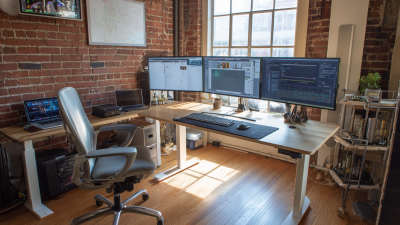
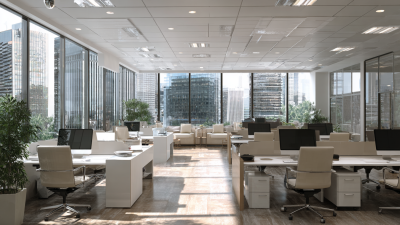
A standing desk is a workspace solution designed to promote healthier working habits by allowing users to stand while they work. In modern workspaces, the purpose of standing desks extends beyond mere functionality; they aim to counteract the negative effects of prolonged sitting, which has been linked to various health issues such as obesity, cardiovascular disease, and back pain. By incorporating standing desks into the work environment, organizations can encourage better posture, enhance energy levels, and ultimately improve productivity among their employees.
Incorporating a standing desk into a workspace can significantly influence employee well-being. Many users report increased focus and alertness throughout their workday, as standing desks facilitate movement and engagement. Furthermore, standing desks offer flexibility, allowing individuals to alternate between sitting and standing, which is crucial in mitigating fatigue. This adaptability not only fosters a more dynamic work atmosphere but also aligns with the growing recognition of the importance of ergonomics in the workplace. As more companies prioritize health and wellness, standing desks have become an essential component of progressive office designs.
Key Benefits of Using a Standing Desk for Health and Productivity
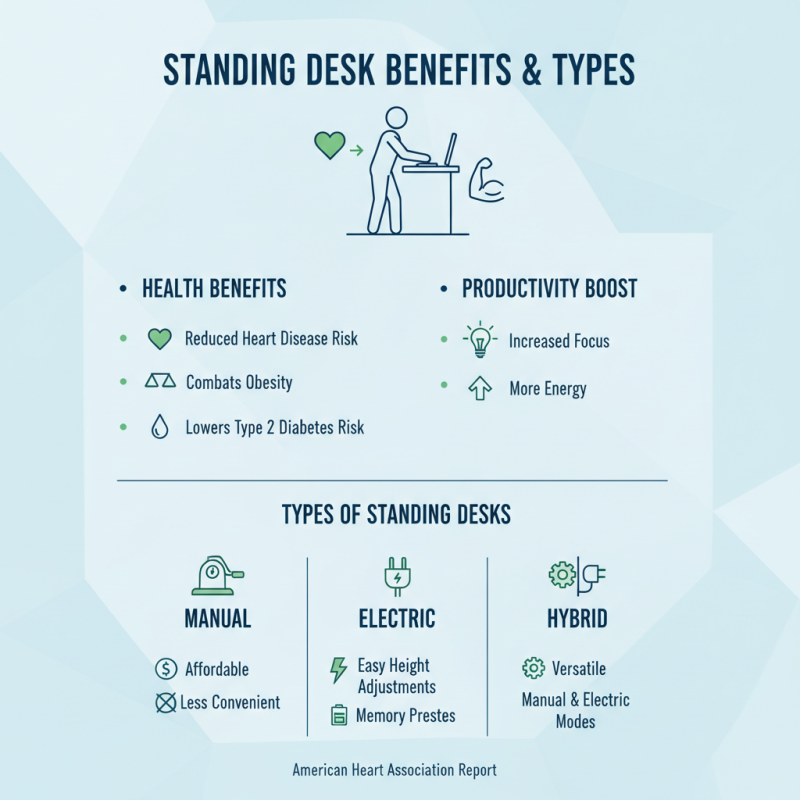
Standing desks have gained popularity in recent years, largely due to the growing awareness of their health benefits. Research from the American Journal of Epidemiology indicates that prolonged sitting is linked to a higher risk of chronic illnesses such as cardiovascular disease, diabetes, and even certain types of cancer. By using a standing desk, individuals can significantly reduce their daily sitting time, which may lead to improved overall health. A study published in the Journal of Physical Activity and Health found that using standing desks can reduce sitting time by approximately 1-2 hours each day, offering a simple yet effective way to incorporate more movement into one’s daily routine.
In addition to physical health benefits, standing desks can also enhance productivity. A report by the University of Minnesota revealed that workers using height-adjustable desks exhibited a 10% increase in productivity compared to their seated counterparts. This boost in efficiency can be attributed to improved energy levels and reduced discomfort. Moreover, standing while working can promote better posture and reduce the risk of musculoskeletal issues. By considering both health outcomes and productivity levels, standing desks emerge as a compelling option for those looking to create a healthier, more efficient work environment.
Different Types of Standing Desks: Manual, Electric, and More
Standing desks have gained popularity as more people recognize their potential benefits for health and productivity. Among the various types of standing desks, the most common ones are manual, electric, and hybrid models. According to a report by the American Heart Association, using a standing desk can help reduce the risk of heart disease, obesity, and type 2 diabetes. Manual standing desks require users to adjust their height manually, offering affordability but less convenience for frequent height changes.
Electric standing desks, on the other hand, provide an easy push-button adjustment that allows users to transition smoothly between sitting and standing positions. A study published in the Journal of Environmental and Public Health highlighted that using electric desks can increase work performance and decrease discomfort when used correctly. Hybrid models combine features of both manual and electric desks, offering flexibility for users who want the best of both worlds.
**Tips:**
When choosing a standing desk, consider the height range that fits your stature and the ease of adjusting the desk for comfortable use. Additionally, pay attention to the desk’s stability—ensure it remains steady at all heights to support various work tasks efficiently. Lastly, balance standing with sitting: alternate positions every 30 to 60 minutes to prevent fatigue and maximize health benefits.
Factors to Consider When Buying a Standing Desk
When considering the purchase of a standing desk, several factors come into play that can significantly influence your decision. First, assess your workspace size and configuration. A desk that fits harmoniously within your established area enhances both functionality and aesthetics. Next, evaluate the adjustability options available. Many standing desks come with motorized or manual height adjustments, allowing you to customize your workspace for maximum comfort and ergonomics.
Tips: Look for desks that offer programmable height settings. This feature enables you to switch between standing and sitting positions effortlessly, promoting better health and productivity.
Another crucial aspect is the materials used in the standing desk’s construction. Opt for durable materials that not only support the desk's weight but also withstand everyday wear and tear. Furthermore, consider additional features such as cable management systems or built-in storage options, which can help keep your workspace organized and clutter-free.
Tips: Before purchasing, read user reviews to gauge the overall satisfaction and usability of the desk. Real-world feedback can provide valuable insights that help you make a more informed decision.
Benefits of Using a Standing Desk
Tips for Transitioning to a Standing Desk for Optimal Comfort
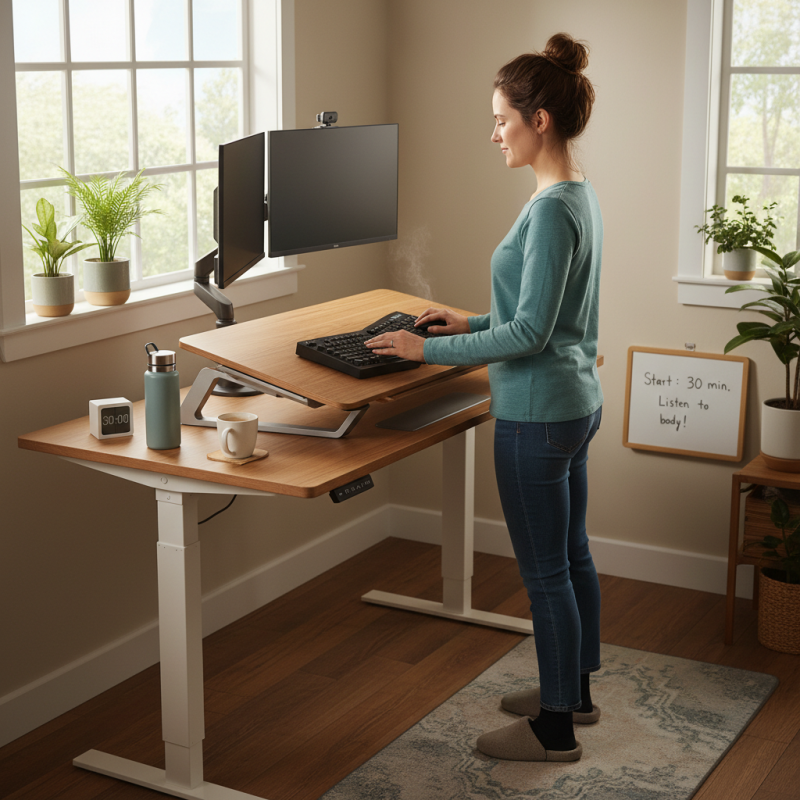
Transitioning to a standing desk can significantly improve your comfort and productivity, but it requires careful adjustments to ensure you reap the benefits while minimizing discomfort. Start by gradually increasing your standing time—begin with 30-minute sessions and add time as your body acclimates. Listening to your body is crucial; if you experience fatigue or soreness, give yourself permission to sit down.
Proper ergonomics play a vital role in optimizing comfort. Adjust your desk and monitor height so your elbows can rest comfortably at a 90-degree angle while maintaining a neutral wrist position. Your screen should be at eye level to prevent straining your neck. Additionally, invest in a good anti-fatigue mat to provide cushioning for your feet, encouraging circulation throughout the day. Remember to incorporate movement by taking small breaks to stretch or walk, which can alleviate stiffness and enhance overall well-being.