Unlocking Productivity: The Science Behind Standing Desks and Work Efficiency
In today's fast-paced work environment, the quest for enhanced productivity has led many to explore innovative solutions, one of the most prominent being the standing desk. This modern invention challenges the traditional notion of sitting as the default working position, presenting a unique approach that combines comfort and efficiency. Research suggests that utilizing a standing desk can lead to significant improvements in work performance, such as increased energy levels, better focus, and reduced fatigue.
By integrating standing desks into daily routines, employees can tap into the potential benefits of improved posture and reduced health risks associated with prolonged sitting. In this article, we will delve into the science behind standing desks, highlighting essential tips and strategies that can unlock productivity and transform your work efficiency.
Embrace this change, and discover how adjusting your work setup can lead to a more vibrant and productive work life.
Understanding the Benefits of Standing Desks for Daily Work Routine
Standing desks have become increasingly popular in workplaces due to the numerous benefits they offer for daily work routines. According to a 2020 report from the American Journal of Public Health, individuals who utilize standing desks can burn up to 50 calories more per day compared to those who remain seated for prolonged periods. This seemingly small change can contribute to a healthier lifestyle and help combat the sedentary behavior often associated with traditional office setups.
Furthermore, research conducted by the University of Leeds found that employees using standing desks reported a 46% increase in productivity overall. Participants experienced enhanced focus, leading to improved task performance and creativity. The evidence demonstrates that incorporating standing desks into the workplace can not only enhance physical health but also significantly boost work efficiency. As more organizations recognize the importance of employee well-being and productivity, standing desks are becoming an essential part of modern office environments.
Examining the Impact of Posture on Focus and Productivity Levels
Posture plays a crucial role in our ability to focus and maintain productivity throughout the workday. Evidence suggests that standing desks can promote better posture, which in turn leads to increased energy levels and reduced fatigue. When individuals adopt an upright posture, their bodies align in a way that encourages optimal blood flow and reduces discomfort, allowing for prolonged periods of concentration. This physical adjustment helps minimize distractions caused by discomfort, enabling employees to engage more fully in their tasks.
Moreover, the impact of posture extends beyond physical health; it influences mental well-being and cognitive function as well. Studies indicate that standing while working can enhance mood and alertness, fostering an environment conducive to creative thinking and problem-solving. When workers feel more engaged and less hindered by discomfort, their focus sharpens, resulting in higher efficiency and output. Thus, adopting a standing desk may not only alter physical conditions but also significantly enhance overall work performance by fostering a more conducive atmosphere for sustained attention and productivity.
Impact of Workspace Posture on Productivity Levels
Tips for Transitioning to a Standing Desk: What to Consider
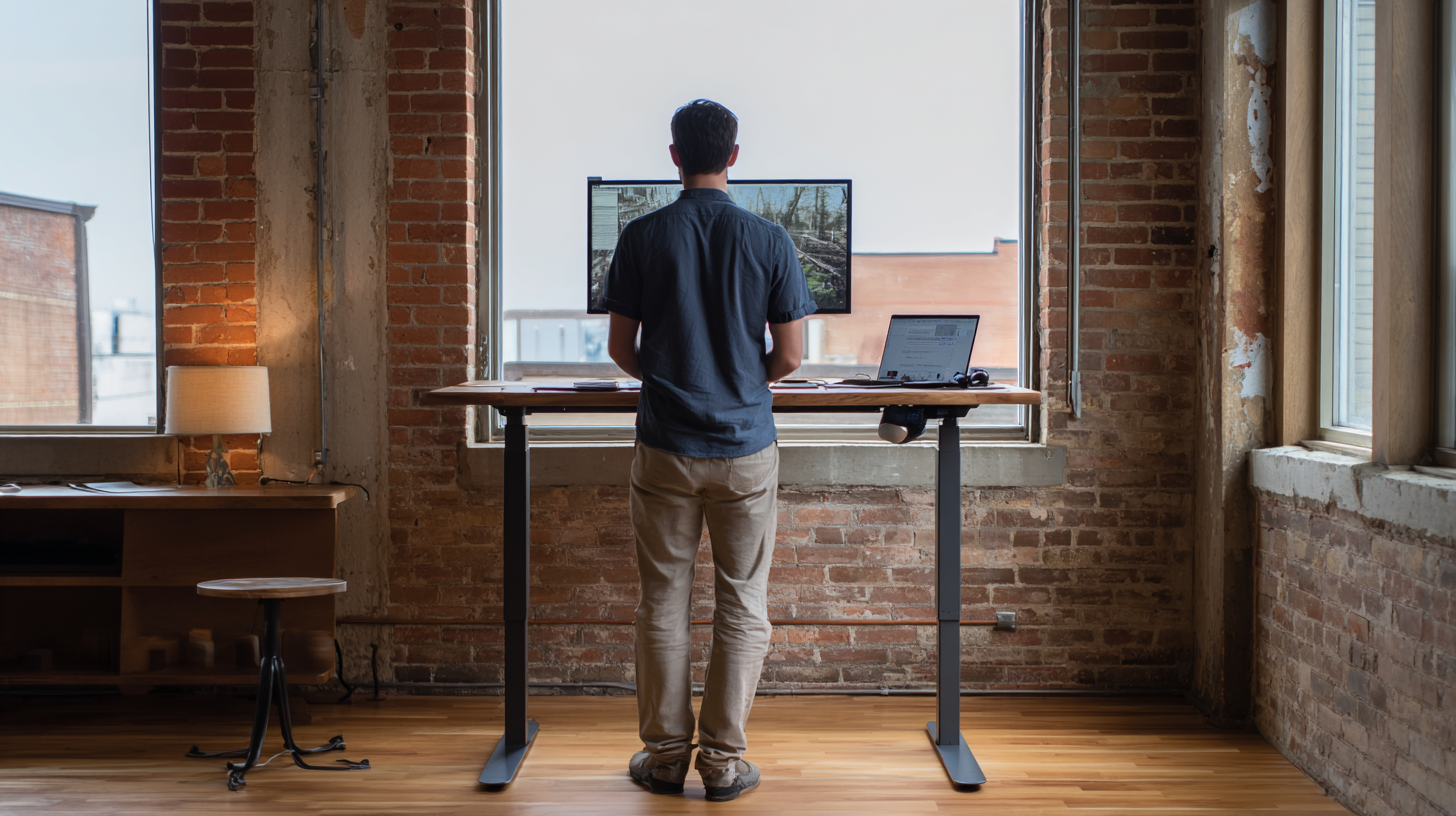
Transitioning to a standing desk can significantly enhance your work efficiency, but it's important to approach this change thoughtfully. First, consider the height of your desk. An adjustable desk can be a great investment, allowing you to find the perfect standing height. Your elbows should be at a 90-degree angle when typing, and your computer screen should be at eye level to prevent neck strain. This fosters not only comfort but also encourages better posture throughout the workday.
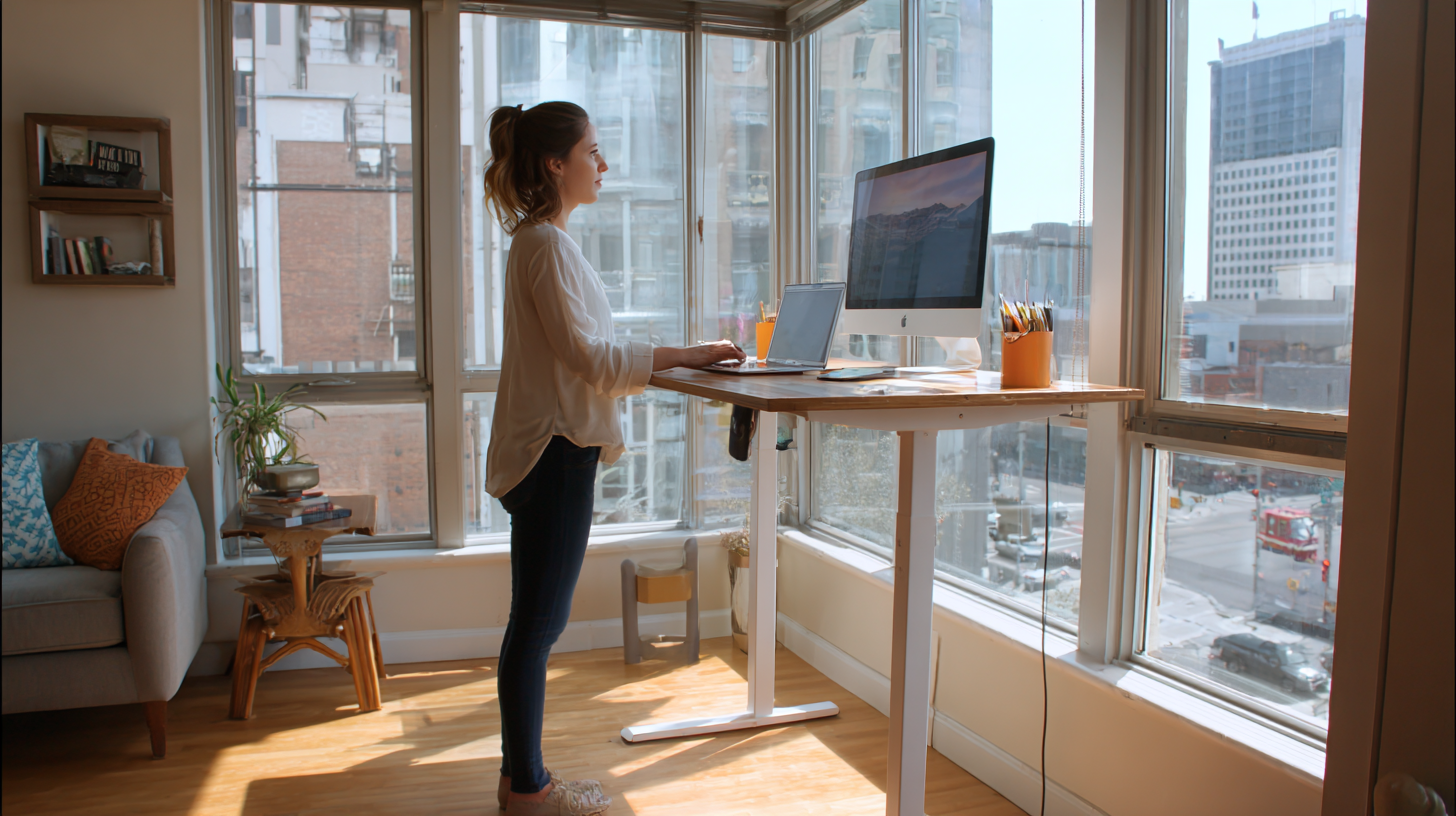
Another crucial aspect is to gradually acclimate your body to standing for longer periods. Start with short intervals of standing, interspersed with sitting. This helps in understanding how much standing your body can tolerate without fatigue. Remember to move occasionally—simple stretching or walking can break the monotony and keep your blood circulating, further enhancing productivity. Additionally, investing in a good anti-fatigue mat can provide much-needed support for your feet and reduce discomfort as you transition to this new work style.
Maximizing Efficiency: Combining Movement with Technology
The modern workplace is rapidly evolving, and the integration of technology with movement is becoming essential for maximizing efficiency.
Recent studies indicate that incorporating standing desks and active movement into daily routines can significantly enhance productivity.
According to a report by the American Journal of Preventive Medicine, employees who alternate between sitting and standing, or who incorporate physical movement throughout their day,
experience a 10% to 15% boost in productivity compared to their sedentary counterparts.
The combination of reducing sedentary time and engaging in physical activity promotes better blood circulation
and increased energy levels.
Moreover, technology plays a pivotal role in this productivity revolution.
Wearable devices and apps designed to encourage movement breaks and posture reminders are gaining traction in workplaces.
A study from the Harvard Business Review revealed that employees who use such technology report improved focus and job satisfaction.
By leveraging these tools, organizations can create a dynamic work environment that not only fosters movement but also harnesses the cognitive benefits associated with it.
With the growing evidence supporting these practices, more companies are realizing that the key to unlocking productivity lies in the effective blend of movement and modern technology.
Strategies for Creating an Ergonomic Standing Workspace
Creating an ergonomic standing workspace involves several key strategies that can significantly enhance productivity and comfort. First and foremost, it’s essential to adjust the height of the desk so that your elbows are at a 90-degree angle while typing. This prevents strain on the shoulders and promotes better posture. Moreover, using an anti-fatigue mat can provide cushioning to your feet, reducing discomfort during extended periods of standing.
In addition to desk height and mats, proper screen placement is critical. The monitor should be positioned at eye level, approximately 20 to 30 inches away from your face, to avoid neck strain and encourage a natural alignment of the spine. Incorporating accessories like keyboard and mouse trays can further promote an ergonomic setup. Lastly, fostering a habit of dynamic movement, such as shifting your weight from one leg to another or performing short stretches, can prevent fatigue and keep energy levels high throughout the workday. By implementing these strategies, you can cultivate a more supportive and efficient standing workspace.