Top Sliding Doors Trends and Innovations You Should Know?
The sliding doors market is experiencing significant growth, with an anticipated CAGR of 4.5% from 2023 to 2030, according to a report by Grand View Research. This growth is driven by the increasing demand for energy-efficient solutions and innovative design. Industry expert, John Stevens, emphasizes, “Sliding doors are not just functional; they redefine space and light.”
Recent innovations in sliding door technology have brought new materials and designs to the forefront. Smart sliding doors, for example, integrate automation for enhanced convenience and security. They can be controlled via mobile apps or voice commands, appealing to tech-savvy consumers. This trend reflects a broader movement towards home automation, which is expected to grow by 25% annually.
However, despite these advancements, challenges remain. Some homeowners report difficulties in finding the right balance between aesthetics and functionality. Additionally, concerns about maintenance and durability for certain materials still exist. As the industry evolves, addressing these concerns will be crucial for wider adoption of sliding doors. Understanding these trends can help consumers make informed decisions about their space and investments.
Top Sliding Doors Trends in 2023: An Overview of Key Features
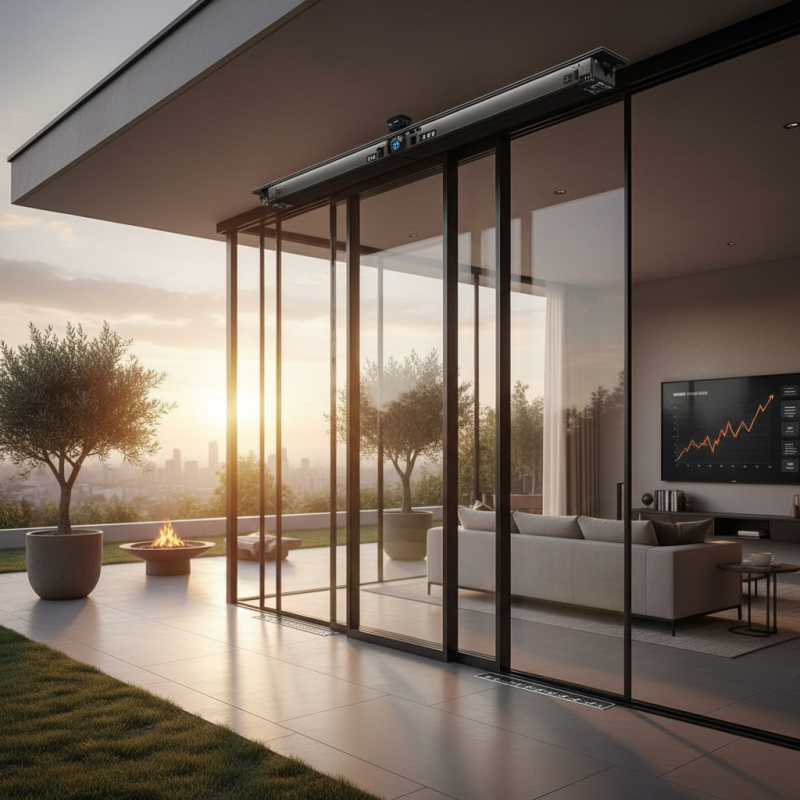
Sliding doors are becoming increasingly popular in modern homes. In 2023, homeowners seek features that blend functionality with aesthetics. One distinct trend is the integration of smart technology. Smart sliding doors now offer remote access and monitoring through mobile apps. This allows for enhanced security and convenience. People appreciate the ability to control doors with their smartphones.
Another prominent feature is the use of energy-efficient materials. High-performance glass is a favorite; it reduces energy loss and enhances insulation. These doors often come with double or triple glazing options. This reflects a growing awareness of sustainability. However, selecting the right materials can be overwhelming.
Design flexibility is another key aspect this year. Sliding doors now come in various styles, including bi-fold and pocket doors. This variety allows for creative uses in different spaces. Yet, it's essential to consider practical elements like maintenance and installation. Homeowners might face challenges in finding the perfect fit for their homes. Balancing style and function can lead to frustrating decisions.
Top Sliding Doors Trends and Innovations You Should Know
| Trend/Innovation |
Key Features |
Material |
Energy Efficiency |
Aesthetic Appeal |
| Smart Technology Integration |
Remote control, voice activation |
Aluminum, tempered glass |
High insulation ratings |
Sleek and modern design |
| Biophilic Design |
Large glass panels for natural light |
Wood, glass |
Natural ventilation features |
Embraces nature-inspired aesthetics |
| Energy-efficient Glass |
Low-E coatings, triple-glazing |
Glass |
Significant reduction in energy loss |
Clear views with reduced glare |
| Customizable Designs |
Variety of sizes, colors, and finishes |
Composite materials |
Enhanced energy performance |
Tailored to personal tastes |
| Sliding Door Security Features |
Multi-point locking systems |
Reinforced materials |
Improved thermal performance |
Contemporary locking designs |
Innovations in Materials: Sustainability and Durability in Sliding Door Design
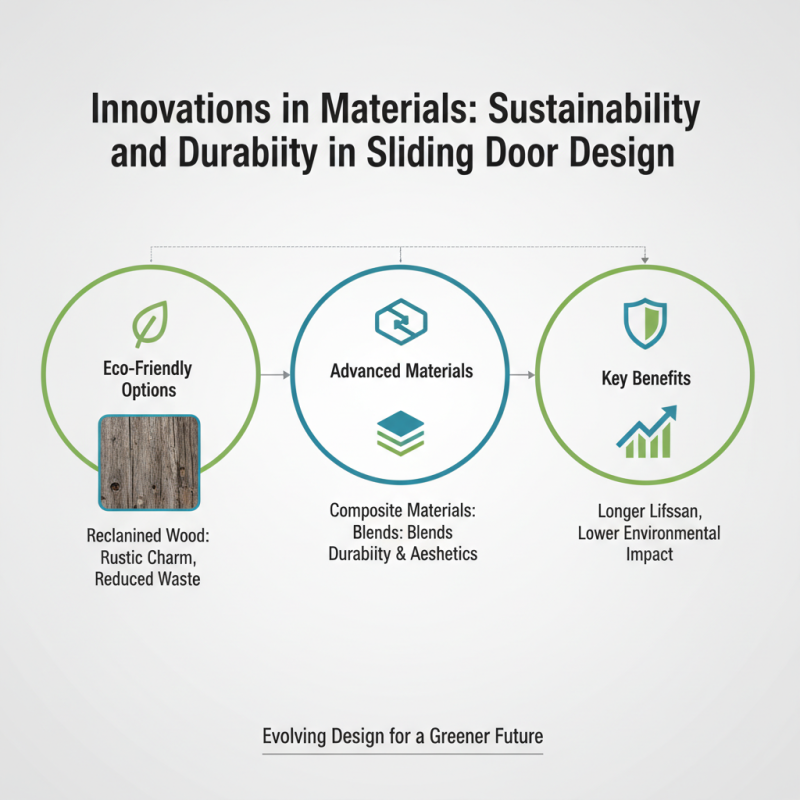
The design of sliding doors is evolving. Innovations in materials focus on sustainability and durability. Many architects are opting for eco-friendly options. For instance, reclaimed wood is gaining popularity. It offers a rustic charm while reducing waste. Manufacturers also explore composite materials, which blend durability with aesthetic appeal.
Glass is another area of advancement. Low-emissivity glass improves energy efficiency by reducing heat transfer. This is essential for maintaining comfortable indoor climates. Some designs incorporate triple glazing for enhanced insulation. However, concerns remain about the weight and fragility of glass. Designers must balance beauty with practicality.
Aluminum is favored for its strength and resistance to corrosion. The lightweight nature allows for larger panels. Still, questions arise about its environmental impact. Recyclability becomes a crucial factor in material selection. As trends evolve, designers must reflect on the long-term effects of their choices.
The Rise of Smart Sliding Doors: Integrating Technology for Enhanced Security
The emergence of smart sliding doors is transforming entryways in homes and businesses. Integrating technology enhances security and convenience, reflecting modern architectural trends. According to a recent study, smart door systems can reduce unauthorized access by up to 70%. This shows their effectiveness in promoting safety.
Smart sliding doors often include biometric sensors and remote access capabilities. These features allow users to control doors from anywhere, giving peace of mind. However, reliance on technology poses challenges. Power outages or technical failures can leave doors inoperable, highlighting vulnerabilities in these systems.
Moreover, the integration of artificial intelligence for monitoring is gaining traction. AI-enhanced doors can recognize familiar faces, offering personalized access. Yet, data privacy remains a concern. Users must trust these systems not to misuse their information. Balancing convenience with security is essential as technology evolves.
Aesthetic Trends: Color and Finish Preferences Among Modern Consumers
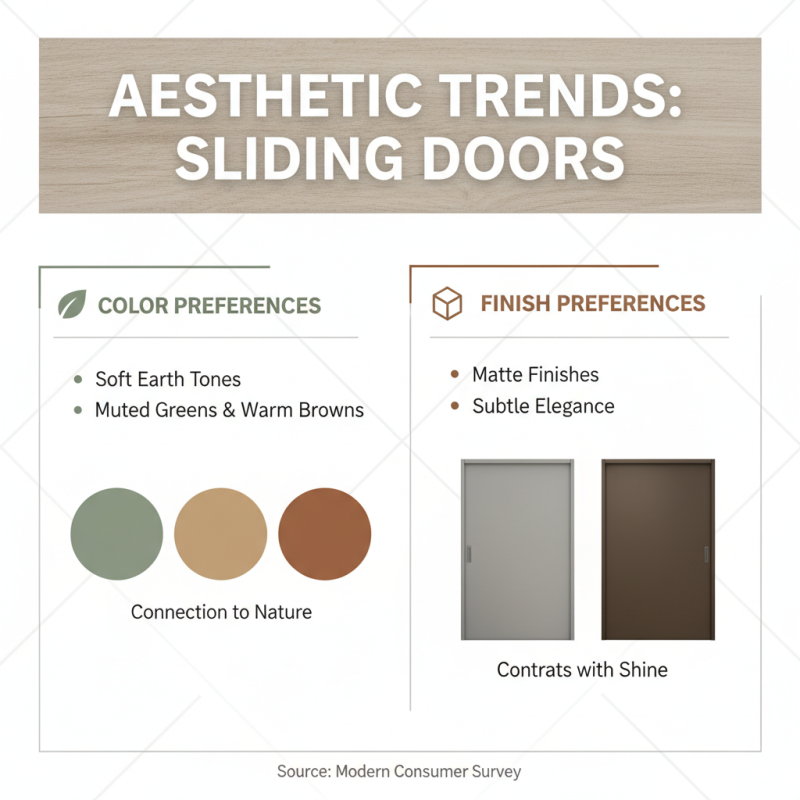
The aesthetic appeal of sliding doors is constantly evolving. Modern consumers are particularly drawn to specific color and finish preferences. Soft earth tones, such as muted greens and warm browns, are becoming increasingly popular. These colors create a harmonious connection to nature. Matte finishes also enjoy a rise in preference. They provide a subtle elegance, contrasting with shiny surfaces.
However, not all trends resonate with everyone. Some individuals still favor vibrant colors. Bright shades like teal and mustard bring a playful element. It’s crucial to consider personal taste while navigating these trends. People often make choices based on current fads, sometimes overlooking the long-term impact on their space.
Material choices are equally important. Wood and metal remain popular, but composite materials are gaining traction as eco-friendly options. Many consumers seek durability and sustainability. Reflecting on one's choices can lead to more satisfying outcomes. A careful balance between trendy and timeless elements will enhance the overall appeal of sliding doors.
Market Growth Analysis: The Impact of Sliding Doors on Home Renovation Projects
Sliding doors have gained immense popularity in home renovation projects, transforming spaces efficiently. The global sliding doors market is projected to reach USD 70 billion by 2027, according to a recent market research report. This substantial growth highlights their impact on modern architecture and interior design. Homeowners appreciate the seamless transition between indoor and outdoor spaces that sliding doors offer. They not only enhance aesthetics but also improve functionality, making spaces feel larger and more open.
Moreover, energy efficiency is becoming a critical factor in renovation projects. Reports indicate that sliding doors with dual-pane glass can improve insulation by up to 25%. This is a crucial aspect for homeowners aiming to reduce energy bills and enhance sustainability. However, many still overlook the importance of proper installation. Poor installation can lead to drafts and water leakage, undermining energy savings. It’s essential for homeowners to consider both design and execution in their renovation plans.
The evolving trends also indicate a shift towards smart technology integration. Features like automated sliding doors are becoming more common. These innovations offer convenience but raise questions about security and maintenance. Balancing modern technology with traditional aesthetics can be challenging but is essential for creating lasting value in home renovations.
Top Sliding Doors Trends and Innovations
This chart showcases the popularity rating of various trends and innovations in the sliding doors market as part of home renovation projects. High ratings indicate strong consumer interest in modern designs and energy efficiency, while trends like security features are emerging but less popular among consumers.