Best Pantry Shelving Solutions for Efficient Storage Needs?
Efficient storage is crucial for every home. Pantry shelving can optimize space and enhance organization. With a well-planned shelving system, you can easily access your kitchen essentials.
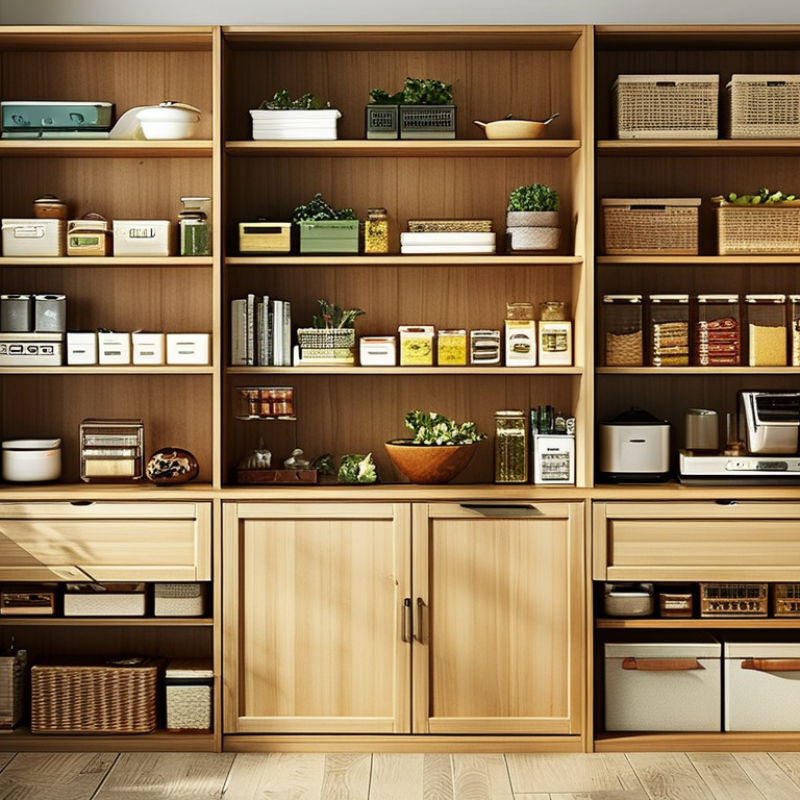
Consider various designs that suit your pantry’s size and style. Open shelves encourage visibility, while closed cabinets offer a cleaner look. Remember, the choice of materials matters too. Wood adds warmth, while metal brings a modern feel.
While we aim for perfection, some pantry shelving setups may not fully meet our needs. You might find yourself wishing for more versatility. Reflect on your storage habits and adapt accordingly. Prioritize what works best for your lifestyle. The right pantry shelving can transform chaos into order, making your kitchen a true delight.
Understanding Your Pantry Storage Needs and Challenges
When assessing your pantry storage needs, understanding common challenges can lead to effective solutions. Many households struggle with maximizing space. According to a recent survey, 45% of homeowners report insufficient pantry organization. This often results in wasted food, as items can become lost or forgotten. Implementing a system can minimize these issues.
Storage efficiency is tied to your pantry's layout. A well-organized pantry can save time and reduce food waste. In fact, research highlights that 30% of food waste arises from improper storage. Consider adjustable shelving options. They allow you to customize heights based on item sizes. This flexibility can make a significant difference.
Another aspect involves accessibility. Items stored at the back can easily go unnoticed. Solutions like pull-out bins and clear containers enhance visibility. Furthermore, grouping similar items together can simplify meal prep. Experts recommend labeling shelves to maintain order. Ultimately, being aware of these challenges allows for smarter storage choices.
Exploring Different Types of Pantry Shelving Solutions
Pantry shelving can transform cluttered spaces into organized havens. Various types of shelving are available, each offering unique benefits. Adjustable shelves allow flexibility for food items of different heights. This adaptability makes it easier to store everything, from tall cereal boxes to short jars of spices.
Wire shelving is another popular option. It provides excellent air circulation, making it ideal for storing produce. However, items can slip through the gaps. Consider using bins to hold smaller products and prevent waste. Wooden shelves offer a more traditional look, adding warmth to your pantry. They can be sturdy, but they might require regular maintenance.
Wall-mounted shelves maximize vertical space effectively. They are perfect for small pantries needing every inch utilized. However, installation can be tricky for some. Measure carefully to avoid misplacing brackets. Floating shelves add modern flair but may not support heavy items sufficiently. These solutions require thoughtful consideration based on your pantry’s specific needs and your personal style. Finding the right balance in your pantry design can enhance both functionality and aesthetics.
Key Features to Look for in Pantry Shelving Units
When choosing pantry shelving units, consider durability and material.
Metal shelves are sturdy and long-lasting.
Wooden options offer warmth and style but may not hold heavy items as well.
Look for adjustable shelves.
They allow flexibility in organizing various items, from tall jars to small spice containers.
This adaptability can maximize your storage space efficiently.
Pay attention to the weight capacity of each shelf.
Some units may sag under heavy loads. It's essential to find a balance between aesthetics and functionality.
Consider ease of assembly. Complicated systems can lead to frustration.
Streamlined designs save time and reduce the chance of errors.
Lastly, inspect the shelving unit's stability.
A wobbly shelf can be unsafe.
Prioritize your safety while enhancing your pantry's organization.
Tips for Organizing Items on Pantry Shelves
Organizing a pantry efficiently requires a thoughtful approach. Start by categorizing items. Group similar products together, such as snacks, canned goods, or spices. This helps you locate everything quickly. Clear bins can be great for storing smaller items and keeping things contained.
Label each bin for easy identification. Remember, mismatched bins can create visual clutter, so try to keep styles consistent.
Next, consider the shelf height. Place frequently used items at eye level. This promotes easy access. Less frequently used items can go on higher shelves. Use vertical space wisely. Tiered shelves or stackable bins maximize storage capacity. Also, rotating items based on expiration dates prevents waste. Regularly check your pantry for expired products, helping you stay organized.
Reflect on your pantry's layout. Sometimes, a space can feel cramped or chaotic. Experiment with different arrangements to see what works best for you. It might not be perfect on the first try. Over time, develop habits that ensure your pantry remains functional. A well-organized pantry doesn’t just look good; it saves time and reduces stress during meal prep.
Maintaining and Upgrading Your Pantry Shelving System
Upgrading your pantry shelving can significantly enhance storage efficiency. Studies indicate that organized pantries can save up to 30% more space compared to cluttered ones. This optimization allows for easier access to ingredients, reducing food waste and simplifying meal prep.
When considering upgrades, focus on adjustable shelves. They offer flexibility for varying item heights, which helps maximize vertical space. A recent report suggests that utilizing this approach can increase pantry utilization by about 25%. Consider adding clear bins to categorize items. This improves visibility and encourages better inventory management.
Tip: Label your bins clearly. This simple addition can save time during meal preparation. Keep an eye on expiration dates to ensure freshness and avoid waste. Reflect on what items you use most; adjust your layout accordingly. Evaluate if every item in your pantry is necessary or if some can be eliminated.