Leave Your Message
Choosing the best Sliding Doors manufacturer in China takes more than comparing catalogue prices. Buyers need to assess frame materials, glass specifications, hardware, finish quality, and the supplier’s ability to maintain consistent production. A slim aluminium profile may look elegant in a showroom, yet its performance depends on sound engineering, accurate installation, and suitable components. Details matter.
This introduction uses Daniel Mercer as a fictional composite sliding-door specialist, not a verified industry source. His editorially written buying principle is: “Judge the door by how it moves after years of daily use, not by its showroom appearance.” That is the right question. Ask manufacturers for clear product specifications, project references, sample sections, and documented quality checks. Clarify whether quoted prices include packaging, delivery terms, and installation guidance. Small omissions can become costly surprises.
Compare more than one supplier. Check how smoothly the panels run, how securely the locks engage, and whether seals sit evenly around the frame. Request evidence for performance claims, including relevant test reports where available. Also ask how the company handles design changes, replacement parts, and after-sales communication. A polished website is not proof of dependable service. Nor is the lowest quote automatically the best value. Some details may remain unclear until samples or production drawings arrive. Be cautious. This guide will help buyers compare Chinese manufacturers with practical criteria, while recognizing that suitability depends on each project’s dimensions, climate, budget, and performance needs.
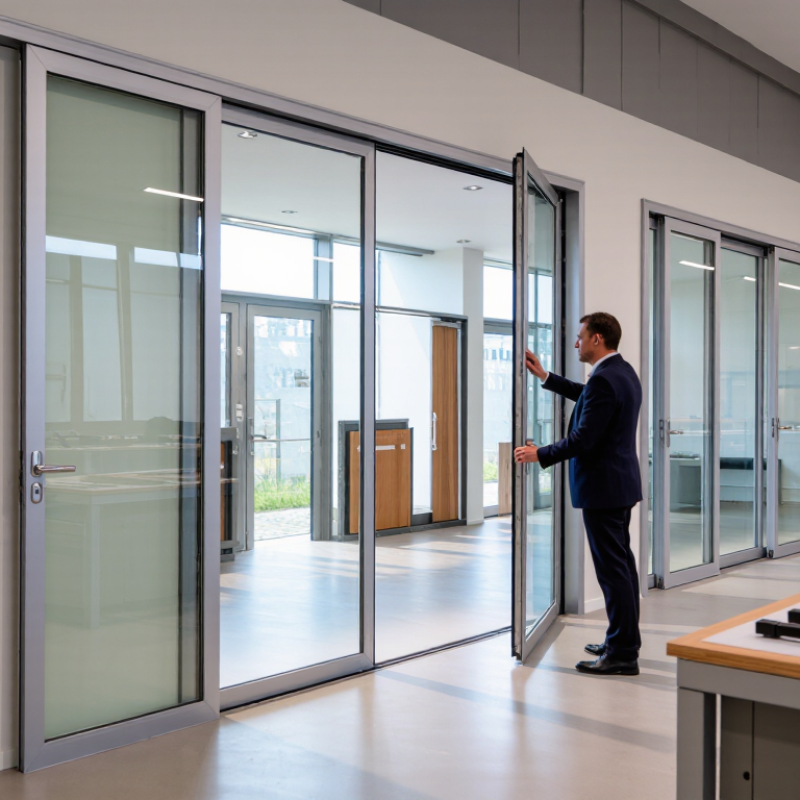
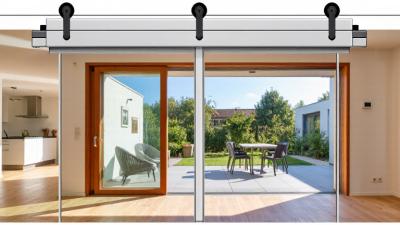
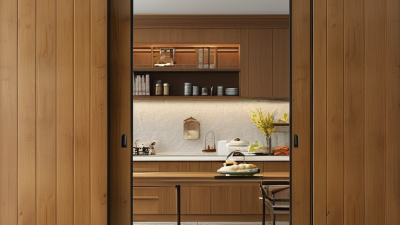
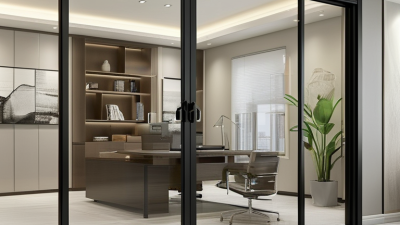
Chinese manufacturers produce sliding doors for homes, offices, hotels, and commercial projects. Common options include interior room dividers, balcony doors, patio systems, and large glass openings. Frame materials often include aluminum, uPVC, timber, or combinations of these. Aluminum suits wide panels and slim sightlines; timber offers a warmer look but needs more care.
Operating styles vary. Standard sliding doors run on horizontal tracks, while lift-and-slide systems raise the panel slightly before it moves. This can help with heavier glass and tighter seals. Pocket doors disappear into a wall cavity, whereas multi-track designs allow several panels to stack to one side. Folding-sliding doors open wider, though their hardware and installation require careful coordination. Details matter.
Buyers should compare more than appearance. Ask for panel dimensions, glass specification, track load capacity, drainage design, and available locking options. For a coastal project, corrosion-resistant hardware may be important; for a bedroom divider, sound control could matter more. Performance depends on the full assembly, not just the frame material. And specifications can be confusing. Suppliers may use similar names for systems with different thresholds, rollers, or sealing details, so request drawings and test documentation for the exact configuration. A sample corner or operating unit can reveal rough movement, rattling, or awkward handles before production begins.
| Sliding Door Type | Common Materials | Typical Applications | Common Features | Buyer Considerations |
|---|---|---|---|---|
| Aluminum Sliding Doors | Aluminum frames with glass, or with insulated glass units | Homes, apartments, balconies, patios and commercial spaces | Slim frame options, large glazed areas, corrosion-resistant finishes and configurable track systems | Check frame dimensions, glass specification, drainage design, hardware quality and applicable local performance requirements. |
| UPVC Sliding Doors | Unplasticized polyvinyl chloride profiles, often reinforced with steel; glass infill | Residential balconies, patios and other exterior openings | Multi-chamber profiles, welded frame corners and options for insulated glazing | Confirm reinforcement, profile construction, glazing compatibility, weather seals and hardware suitability for the door size. |
| Wooden Sliding Doors | Solid wood or engineered wood, with optional glass panels | Interior rooms, closets, partitions and selected exterior applications | Natural wood appearance, painted or stained finishes, and surface- or pocket-mounted tracks | Ask about core construction, finish, moisture suitability, panel weight and track capacity. |
| Frameless Glass Sliding Doors | Safety glass with metal tracks and fittings | Interior partitions, showers, offices and selected storefront designs | Minimal visible framing, transparent or translucent panels and sliding hardware | Specify the required safety-glass standard, glass thickness, edge treatment, hardware load rating and installation method. |
| Thermally Broken Aluminum Sliding Doors | Aluminum profiles with a thermal barrier, commonly paired with insulated glass | Exterior residential and commercial openings where thermal performance is important | Thermal-break construction, configurable glazing and multi-point or other specialized hardware options | Request tested thermal and air/water performance data for the complete door assembly and the target climate. |
| Lift-and-Slide Doors | Aluminum or other engineered frame systems with large glass panels | Large patio, terrace and garden openings | A handle-operated mechanism lifts the panel for movement and lowers it to engage the seals when closed | Verify maximum panel size and weight, track and threshold details, operation method and installation requirements. |
| Folding-Sliding (Bi-Fold) Doors | Aluminum or wood frames with glass or solid panels | Patios, room dividers and wide openings requiring a broad clear passage | Multiple hinged panels fold and stack to one or both sides of the opening | Check opening configuration, stacking space, threshold design, hinge and roller capacity, and the number of panels. |
| Pocket Sliding Doors | Wood, composite or metal-framed panels with concealed wall-cavity tracks | Interior rooms, bathrooms, closets and space-saving partitions | The panel slides into a cavity within the wall rather than remaining alongside the opening | Plan the cavity and framing before construction; check access for future track maintenance and compatibility with wall services. |
| Automatic Sliding Doors | Glass or framed panels with an electric operator, sensors and safety components | Retail entrances, offices, hotels, healthcare facilities and other high-traffic buildings | Sensor-activated operation, configurable opening modes and safety features depending on the system | Confirm compliance with local accessibility and safety rules, emergency operation, operator support and maintenance arrangements. |
| Industrial Sliding Doors | Steel, aluminum or insulated panel systems, depending on the application | Warehouses, workshops, service areas and large industrial openings | Heavy-duty tracks and hardware; some systems are designed for insulated, fire-rated or specialized use | Match the door to the opening, duty cycle and required certification; verify that any stated fire or safety rating applies to the complete assembly. |
Product configurations, materials, dimensions and performance vary by supplier and project. Buyers should request current drawings, material specifications, test reports and applicable certifications for the exact door system being quoted.