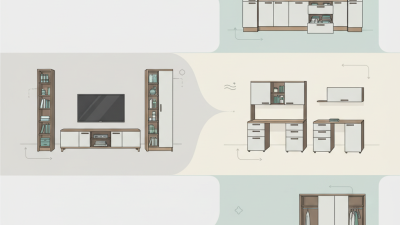
Choosing Closed Cabinets for global sourcing requires more than comparing attractive catalog images. Buyers must examine construction, documentation, shipping conditions, and long-term service. Tom Silva, a veteran contractor and This Old House expert, offers a practical warning: “Measure twice, order once.” That advice applies internationally, where a small error can create expensive delays.
Start with the room’s actual measurements, including door swings, wall unevenness, plumbing, and ventilation space. A cabinet that fits a showroom may fail beside a radiator or narrow corridor. Check the board thickness, edge-banding quality, hinge adjustment, drawer loading, and surface resistance. Open and close the doors repeatedly. Feel for wobble. Notice the gaps.
Global sourcing adds another layer. Request technical drawings, material declarations, finish samples, packaging photos, and a detailed quality-control process. Ask whether the supplier has experience with export crating and moisture protection. A glossy sample is not enough. Wood-based panels may react differently after crossing humid ports or entering a dry interior.
Certifications matter, but they need verification. Confirm the issuing body, test scope, product model, and validity dates. Do not accept vague claims such as “eco-friendly” without supporting records. Supplier communication also reveals reliability. Slow answers may become slower after payment.
My own caution is simple: the cheapest quote can hide missing hardware, weak packaging, or costly replacement work. I would compare total landed cost, not factory price alone. Even then, uncertainty remains. Pilot orders, independent inspections, and written acceptance standards reduce that risk. The best Closed Cabinets supplier is not always the lowest bidder. It is the partner whose product, records, and after-sales response remain dependable across borders.
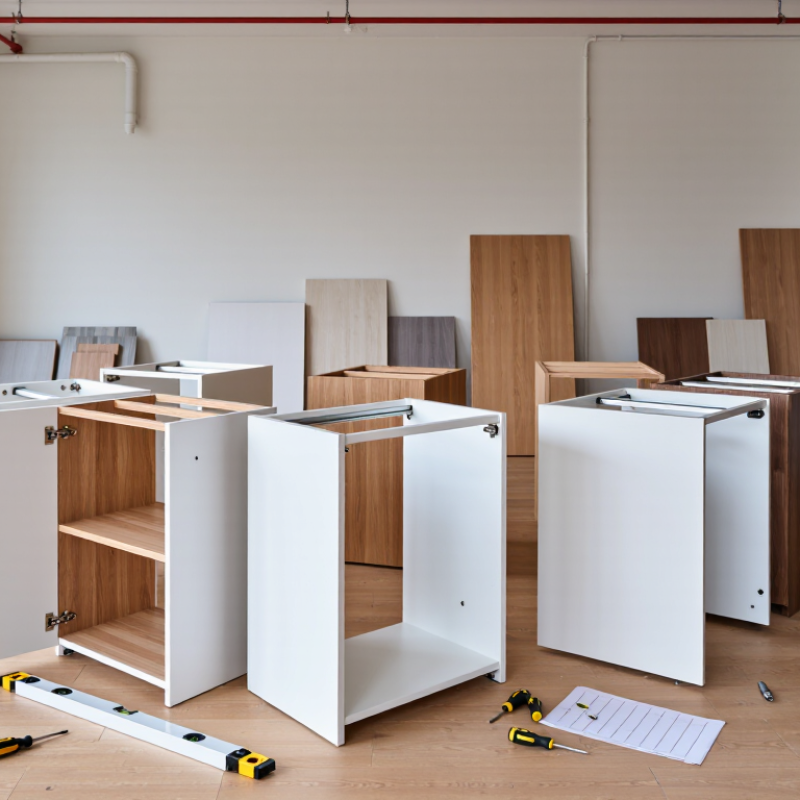
Before comparing finishes or hardware, define what the cabinet must protect and how often it will be used. A closed cabinet may store documents, tools, samples, textiles, or cleaning supplies. Each purpose changes the required shelf strength, ventilation, lock type, and internal layout. Ask who opens it, how often, and whether contents need quick access. A cabinet for daily files should not feel like a sealed storage box. A cabinet for fragile samples needs stable shelves and careful handling. Keep it practical. Write a short use brief before requesting quotations.
Placement is equally important. Measure the wall, doorway, lift, and turning radius, not just the empty floor area. Check nearby sockets, radiators, windows, sprinklers, and walking routes. Doors need clearance to open fully without blocking desks or aisles. In a narrow room, sliding doors may work better, but they can limit visibility and maintenance access. Wall fixing may improve stability, though the wall construction must support it. I have seen attractive cabinets become inconvenient because their doors collided with adjacent furniture.
For global sourcing, send suppliers a clear placement drawing with dimensions, photos, load expectations, and access requirements. Request material details, edge treatment, assembly instructions, packaging dimensions, and inspection criteria. Confirm whether the cabinet arrives assembled or flat-packed. That choice affects labor, damage risk, and delivery space. Leave realistic tolerance for uneven floors and manufacturing variation. Perfect drawings still meet imperfect rooms. Review the layout with the people who will use it; purchasing assumptions can miss daily frustrations. Recheck the plan after a sample or prototype arrives.
When choosing closed cabinets for global sourcing, compare materials before reviewing finishes. Solid wood offers warmth and repairability, but moisture can cause movement during shipping. Plywood usually provides stronger screw holding and better dimensional stability. Medium-density fiberboard creates smooth panels, although damaged edges are difficult to repair. Particleboard can reduce cost, but weak fasteners may loosen under heavy loads. Small differences matter.
Construction quality affects service life. Inspect panel thickness, edge banding, hinge adjustment, and back-panel support. A cabinet with a thin back may twist during handling. Dovetail drawers and reinforced corners often tolerate repeated use better than stapled joints. Ask suppliers for load ratings, assembly instructions, moisture testing, and sample units. My practical mistake was judging quality from the door surface alone. The interior structure told a different story.
Tips: Measure the items before selecting capacity. Leave clearance for cables, ventilation, and future purchases. Check usable internal depth, not only external dimensions. Request photos of hidden joints and hardware. Confirm whether shelves are fixed or adjustable. For international orders, review packaging tests and destination-market documentation. A beautiful cabinet can still fail if cartons crush its corners. Also compare flat-pack and assembled shipping costs; the cheaper option is not always more efficient.
Comparison of common closed cabinet specifications for residential, office, hospitality, and light commercial sourcing. Actual performance depends on panel thickness, hardware quality, finish, assembly method, and local compliance requirements.
| Cabinet Option | Typical Material and Construction | Durability and Environmental Performance | Typical Storage Capacity | Approximate Weight and Shipping Considerations | Best Use and Sourcing Notes |
|---|---|---|---|---|---|
| Particleboard Cabinet | 16–18 mm engineered wood panels with melamine or laminate surfaces; cam-lock or dowel-and-screw assembly. | Good scratch resistance when properly laminated; moderate resistance to impact and moisture. Unsealed edges can swell if exposed to water. | Suitable for everyday household storage. A 600 mm wide base cabinet commonly provides approximately 0.25–0.35 m³ of internal volume. | Usually lighter and more economical to ship than solid wood. Flat-pack construction can reduce package volume and freight cost. | Suitable for budget-sensitive projects, wardrobes, office storage, and dry indoor areas. Confirm formaldehyde-emission compliance for the destination market. |
| Medium-Density Fiberboard (MDF) Cabinet | 16–22 mm MDF panels with painted, foil-wrapped, or veneered faces; concealed hinges and dowel, screw, or confirmat joints. | Smooth and dimensionally consistent, making it suitable for painted doors. Better machining quality than particleboard, but standard MDF has limited moisture resistance. | Provides similar volume to particleboard cabinets. Adjustable shelves can improve usable capacity by approximately 10–20% compared with fixed shelves. | Denser and heavier than particleboard. Finished or fully assembled units need stronger packaging and may increase handling costs. | Good for painted doors, decorative profiles, and mid-range interiors. Use moisture-resistant MDF only where the product specification and edge sealing support it. |
| Plywood Cabinet | 15–18 mm cross-laminated wood veneers with hardwood, laminate, or veneer faces; screw, dowel, or bonded joinery. | High strength-to-weight ratio and better screw-holding performance than many fiberboard options. Water resistance varies with veneer grade and adhesive type. | High usable capacity because strong panels can support long shelves with fewer dividers. A 600 mm wide base cabinet may provide about 0.25–0.35 m³ internally. | Moderate weight with good structural strength. Protective corner packaging is important because veneer edges can be damaged during international handling. | Appropriate for premium residential, marine-adjacent, hospitality, and heavy-use applications. Specify veneer quality, core gaps, adhesive class, and edge treatment. |
| Solid Wood Cabinet | 18–25 mm kiln-dried hardwood or softwood components, often combined with veneered panels; mortise-and-tenon, dowel, or traditional frame construction. | Repairable and visually durable, but sensitive to humidity changes. Proper kiln drying, floating panels, and expansion allowances help reduce warping and cracking. | Storage volume is similar to other framed cabinets of the same external size, although thicker rails and stiles may reduce clear opening space. | Typically heavier and more expensive to pack and transport. Moisture content and export packaging should be controlled to limit movement during transit. | Best for premium furniture and long service life. Confirm timber legality documentation, moisture content, finish standards, and treatment requirements. |
| Stainless Steel Cabinet | Usually 0.8–1.2 mm stainless-steel sheet with folded edges, welded or mechanically fastened joints, adjustable metal shelves, and magnetic or concealed hardware. | Excellent resistance to moisture, corrosion, stains, and frequent cleaning. Performance depends on steel grade, surface finish, weld quality, and exposure conditions. | High practical capacity for kitchens, laboratories, and service areas. Adjustable shelves commonly support approximately 30–70 kg per shelf, depending on design. | Rigid and relatively heavy; flat-pack or knock-down designs can reduce shipping volume. Protective film and edge guards help prevent transit scratches. | Recommended for humid, hygienic, commercial, and high-use environments. Specify steel grade, thickness, load rating, surface finish, and corrosion test requirements. |
| Powder-Coated Steel Cabinet | 0.6–1.0 mm cold-rolled steel body with formed panels, spot welding or rivets, powder-coated finish, and adjustable shelves. | Strong resistance to abrasion and impact when the coating is properly applied. Cut edges and damaged coating may corrode in humid or coastal conditions. | Efficient vertical storage; a typical 900 mm high cabinet can include two to four adjustable shelves and approximately 0.35–0.55 m³ of internal volume. | Usually heavier than wood-based flat-pack units but highly stackable when nested or shipped assembled. Packaging must protect corners and painted surfaces. | Suitable for offices, workshops, schools, archives, and utility rooms. Specify coating thickness, salt-spray requirement, shelf load, lock type, and assembly format. |
| Aluminum Cabinet | Approximately 1.0–2.0 mm aluminum sheet or extruded frame with riveted, bonded, or mechanically fastened panels. | Lightweight and naturally corrosion-resistant, although softer than steel and more vulnerable to denting. Surface anodizing or coating improves appearance and protection. | Good volume efficiency for mobile or space-constrained applications. Shelf capacity is generally lower than steel unless reinforced with profiles or folded edges. | Lower transport weight can reduce freight and installation labor. Protective film is recommended because aluminum surfaces can scratch easily. | Useful for mobile storage, transportation interiors, outdoor-adjacent areas, and weight-sensitive projects. Confirm alloy, temper, panel thickness, and joint strength. |
| Glass-Door Cabinet | Wood-based or metal carcass with tempered safety glass doors, concealed hinges, magnetic catches, and adjustable shelves. | Tempered glass is stronger and safer than ordinary glass, but it can still break under severe edge impact. Door seals and frame design affect dust protection. | Offers the same basic carcass capacity as a closed cabinet while improving item visibility. Adjustable shelves typically increase usable storage flexibility by 10–20%. | Glass adds weight and breakage risk. Use edge protection, internal separation, shock-absorbing material, and drop-tested export packaging. | Suitable for display storage, retail, offices, and hospitality. Specify glass thickness, tempering standard, door clearance, shelf load, and replacement-part availability. |
Capacity reference: Storage volume is estimated from clear internal dimensions and excludes hinges, drawer runners, shelf thickness, and other hardware. For international sourcing, compare flat-pack volume, assembled dimensions, net weight, gross weight, carton strength, and required safety or emissions documentation.
Choosing closed cabinets starts with evaluating the supplier, not the catalog photo. A reliable supplier should provide material specifications, load ratings, moisture-resistance data, and clear production tolerances. Ask for recent test reports and quality records. Check whether their inspection process covers hinges, locks, panels, surface finish, and packaging. Details matter. Supplier qualifications should include relevant management certifications, trained inspectors, stable production capacity, and experience with your destination market. Factory audits can reveal storage problems, poor labeling, or inconsistent materials. However, no audit is perfect.
Global standards must match the cabinet’s final use and importing region. Confirm applicable requirements for materials, formaldehyde emissions, fire performance, packaging, and product safety. Do not accept a generic certificate without checking its scope, issuing body, and validity. Request a pre-production sample, then compare it against approved drawings. In practical sourcing work, small changes often cause larger problems later. A thinner back panel may reduce cost but weaken stability. A different coating may alter color and durability. Suppliers should document every approved change.
Tips: Score suppliers with the same checklist. Include quality, communication, lead time, corrective actions, and traceability. Ask how they handle defects, not only how they prevent them. Inspect random units before shipment. Keep photos, measurements, and signed approvals in one file. I would avoid choosing the lowest quotation automatically. It may be attractive, but hidden rework, damaged cartons, or missed delivery windows can erase the savings. Reassess the supplier after each production cycle.
Closed cabinets look simple, but global sourcing makes small details expensive. Ask suppliers for precise drawings, material specifications, hinge types, lock options, and tolerance ranges. Customization should cover shelf spacing, cable openings, ventilation, and regional electrical needs. Request a physical sample before approving mass production. It may reveal awkward doors or weak hinges.
Packaging deserves equal attention. UNCTAD’s Review of Maritime Transport reports that over 80% of global merchandise trade moves by sea. Cabinets may face vibration, humidity, stacking pressure, and repeated handling. Use corner protection, moisture barriers, reinforced cartons, and clear handling marks. Request packaging photos and a drop-test record. A cheap carton may pass inspection. It may still fail at the port.
Import preparation starts before production. Confirm the correct HS classification, product materials, country-of-origin marking, and required safety documents with a qualified customs broker. Check duties, taxes, wood-packaging rules, and destination labeling requirements. The World Bank’s 2023 Logistics Performance Index used 4,090 assessments across 139 economies. Its results show uneven customs and infrastructure performance between markets. Build extra time into weaker routes. I would not rely on the supplier’s assumptions alone. One overlooked document can delay a full container. Shipping quotes should state dimensions, gross weight, insurance, delivery terms, and destination charges clearly. Recheck them after the final packaging design.
When sourcing closed cabinets globally, the purchase price is only the visible line. A low quotation can hide tooling, inland transport, customs duties, inspection fees, spare parts, and damage claims. Build a landed-cost sheet for each supplier. Include packaging volume, minimum order quantities, payment terms, and expected replacement rates. One shipment looked cheaper in my earlier comparisons, but its oversized cartons consumed warehouse space. The saving disappeared within months. Small detail. Big consequence.
Quality control should begin before production, not at the loading dock. Approve a reference sample with exact dimensions, board thickness, hinge cycles, coating standard, edge treatment, and lock performance. Ask for material declarations and batch records where relevant. During production, inspect moisture levels, panel alignment, door gaps, welds, and packaging strength. Use measurable tolerances, photographs, and a written defect limit. A factory video is useful, but it is not proof. Independent inspections remain worthwhile for large orders. I once trusted a polished sample too much; the bulk finish showed uneven color under warehouse lighting. That mistake was avoidable.
Long-term maintenance deserves equal attention. Choose replaceable hinges, common fasteners, accessible adjustment points, and finishes that tolerate routine cleaning. Request a parts list, repair instructions, and a realistic response time for claims. Test one cabinet through repeated opening, cleaning, relocation, and seasonal humidity changes. It may reveal swelling or loose hardware. Do not assume the first specification is perfect. Review field feedback after three and twelve months, then revise the next order. Cheap cabinets often become expensive when every repair needs a custom part.
Five-Year Total Cost of Ownership per Cabinet
This procurement planning model uses a realistic USD-per-unit cost structure: purchase price, international logistics, import duties, quality inspection and rework, installation, and five-year maintenance. A lower purchase price may not produce the lowest total cost when logistics, quality risks, and long-term maintenance are included.