Essential Kitchen Layout Ideas for Modern Chinese Homes?
When designing a kitchen, the layout plays a crucial role in functionality and aesthetics. Feng Zhu, a renowned kitchen designer, emphasizes, "A well-planned kitchen layout can transform your cooking experience." In modern Chinese homes, the kitchen is not just a cooking space; it is the heart of the home. It reflects cultural values and enhances family interactions.
Incorporating elements of traditional design with modern needs can yield an effective kitchen layout. Optimizing space is essential for smaller apartments, which are common in urban areas. The flow between cooking, cleaning, and socializing areas must be intuitive. Many designs struggle with these aspects, leading to cluttered environments.
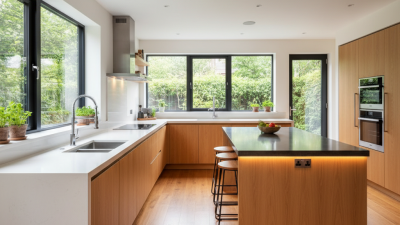
Visualizing the space can inspire creativity and functionality. Integrating storage solutions with a clean aesthetic may present challenges. It is important to consider the triangle design concept, focusing on efficiency and accessibility. With careful planning, a harmonious kitchen layout can not only elevate home cooking but also strengthen family bonds.
Modern Chinese Kitchen Layout Principles for Optimal Space Utilization
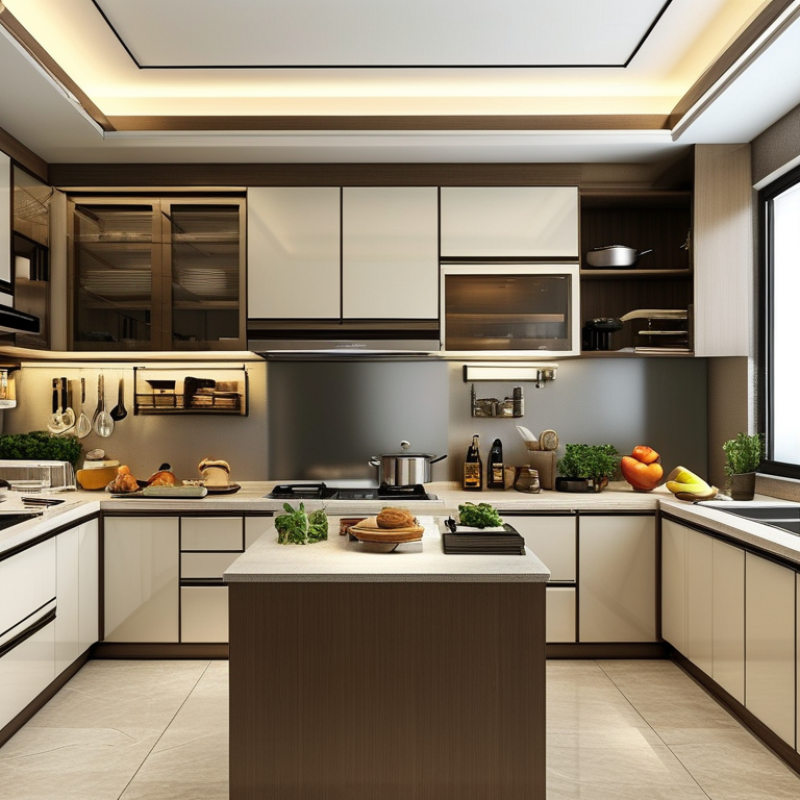
When designing a modern Chinese kitchen, efficiency is key. A well-planned layout can greatly enhance functionality. Consider the classic work triangle: stove, sink, and refrigerator should be in close proximity. This setup minimizes movement while cooking, allowing for a smoother flow.
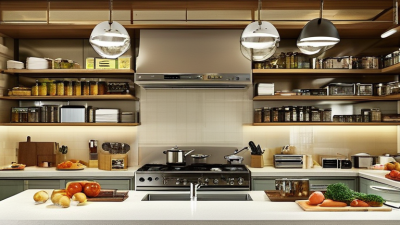
Incorporate modular cabinetry to optimize vertical space. Make use of shelves and cabinets that extend to the ceiling. Deep drawers can hold large pots, maximizing storage. Additionally, open shelving can display commonly used utensils or spices, keeping them within reach.
Natural light plays an essential role in kitchen design. Large windows can brighten up the space, making cooking more enjoyable. However, be cautious of glare during the day. Consider adding soft window treatments to filter light. Reflecting on these elements can lead to unexpected insights in creating a suitable kitchen layout.
Incorporating Traditional Elements into Contemporary Kitchen Designs
Modern Chinese kitchen designs are evolving, combining contemporary aesthetics with traditional elements. This blend creates a space that honors cultural heritage while meeting today’s functional needs. According to a 2023 report by the National Kitchen & Bath Association, 64% of homeowners seek to incorporate cultural inspirations into their kitchen layouts.
Incorporating elements like wooden beams, rice paper lanterns, or custom cabinetry with intricate carvings can evoke a sense of tradition. However, designers often face challenges in striking the right balance. Too much clutter can undermine modern efficiency. Open layouts are popular, but they can sometimes feel cold without warm, traditional touches. The emotional connection to cultural elements remains crucial; a well-placed Chinese tea set or a calligraphy piece can warm up a contemporary design.
While focusing on aesthetics, functionality should not be overlooked. The report noted that 48% of homeowners prioritize storage solutions in their kitchens. Combining sleek, modern appliances with traditional color palettes offers an inviting atmosphere. Disorganization and a lack of cohesion can disrupt the kitchen's harmony. Attention to detail is vital, ensuring every element supports the overall vision without detracting from usability.
Essential Kitchen Layout Ideas for Modern Chinese Homes
| Layout Type |
Key Features |
Traditional Elements |
Contemporary Touches |
| L-Shaped |
Maximizes space; ideal for small to medium kitchens. |
Wooden cabinets with traditional carvings. |
Stainless steel appliances; minimalist decor. |
| U-Shaped |
Provides ample counter space; good for cooking. |
Ceramic tiles with Chinese patterns. |
Modern pendant lighting; sleek countertops. |
| Galley |
Efficient for cooking; two parallel counters. |
Open shelves showcasing traditional crockery. |
Glass-front cabinets; integrated technology. |
| Island |
Great for entertaining; additional seating space. |
Incorporation of bamboo elements. |
Quartz islands; bar stools for modern feel. |
Essential Features for a Functional Chinese Kitchen Layout
When designing a modern Chinese kitchen, functionality is key. This layout should support efficient cooking and dining experiences. An open layout encourages family interaction. It allows for seamless movement between cooking and dining areas. Consider adding a central island for prep work. This island can serve multiple purposes, including extra storage.
To maximize functionality, invest in quality appliances. Opt for a range hood for better ventilation. Good airflow is essential in a Chinese kitchen, particularly when frying and steaming. Use drawers rather than cabinets. They provide easier access to your tools and ingredients. A well-organized space reduces frustration during busy cooking times.
Tip: Keep frequently used items within easy reach. This habit can enhance cooking efficiency.
Consider a dedicated spice rack. Chinese cooking relies heavily on various spices. A visible and organized spice rack saves time and effort. Wall-mounted shelves can also free up counter space. They keep essential items accessible while maintaining a clean look. Remember, balance aesthetics with practicality. Creating an inviting kitchen environment contributes to a lively atmosphere.
Maximizing Efficiency in Cooking and Preparation Areas
In modern Chinese homes, creating an efficient kitchen layout is essential. A well-designed kitchen maximizes productivity and enhances the cooking experience. Organizing your cooking and preparation areas can transform your cooking routine, making it enjoyable and efficient.
Consider the kitchen work triangle: the sink, stove, and refrigerator should form a triangle for easy movement. This reduces unnecessary steps while cooking. Install cabinets and tools within arm's reach to minimize clutter. Every inch counts in a compact space, so think creatively. Use vertical storage to keep counters clear. When arranging your kitchen, ensure that items are in logical places. Spices near the stove and utensils nearby will speed up meal prep.
Here are a few tips to consider:
- Use pull-out shelves. They make accessing items easier.
- Label containers. This helps in quickly finding what you need.
- Create a dedicated meal prep zone. This can streamline your workflow.
Reflect on your cooking habits. Are your frequently used tools easily accessible? Assess your layout regularly to adapt to changing cooking styles. Improving the kitchen space is a continuous process.
Small changes can make a significant impact.
Design Trends: Blending Aesthetics with Practicality in Chinese Kitchens
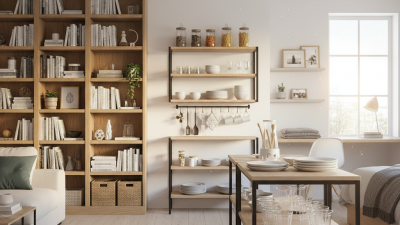
In modern Chinese kitchens, the balance between aesthetics and practicality is key. Recent industry reports indicate that over 70% of homeowners prioritize functionality in their kitchen designs. This trend merges traditional elements with contemporary styles. For instance, open shelf systems are gaining popularity, providing easy access to cooking essentials while showcasing beautiful dishware.
Blocks of color can enhance modern kitchens. Currently, 48% of kitchen designs incorporate bold hues to break the monotony. However, many designers note that too much color can overwhelm the space, leading to a chaotic environment. A minimalist approach often invites a sense of calm, but it runs the risk of being perceived as cold or uninspiring.
Storage solutions are evolving, with multi-functional furniture becoming essential. Reportedly, more than 65% of families in urban areas face storage dilemmas. Systems that integrate smart technology can help maximize space. However, this sophistication may lead to maintenance challenges that some homeowners find daunting. Balancing these factors is crucial in creating a harmonious kitchen that aligns with modern lifestyles.