Top 10 Dining Room Decor Manufacturers in China?
Selecting a supplier for Dining Room Decor is not just a search for attractive chairs, lighting, table linens, and wall accents. Buyers also need dependable materials, consistent finishes, clear customization options, and production timelines they can plan around. Interior designer Nate Berkus has said, “Your home should tell the story of who you are, and be a collection of what you love.” That idea matters in dining spaces, where a pendant’s warm glow, a solid tabletop, and a textured centerpiece shape both comfort and character. Small details count.
This guide to the Top 10 Dining Room Decor Manufacturers in China introduces suppliers serving different styles and project needs. It considers product range, material choices, manufacturing experience, customization, sample quality, communication, and export readiness. A glossy catalog alone tells little; ask for close-up finish photos, material specifications, sample terms, and realistic lead times. Check whether a maker’s strengths match your order size and design brief. Not every factory fits. Some specialize in furniture, while others focus on lighting or decorative accessories. This shortlist is a starting point, not a guarantee of performance. Supplier capabilities can change, and public information may be incomplete. Verify key claims directly before committing. That extra step can prevent mismatched samples, delayed launches, or a room that looks cohesive online but feels inconsistent in person.
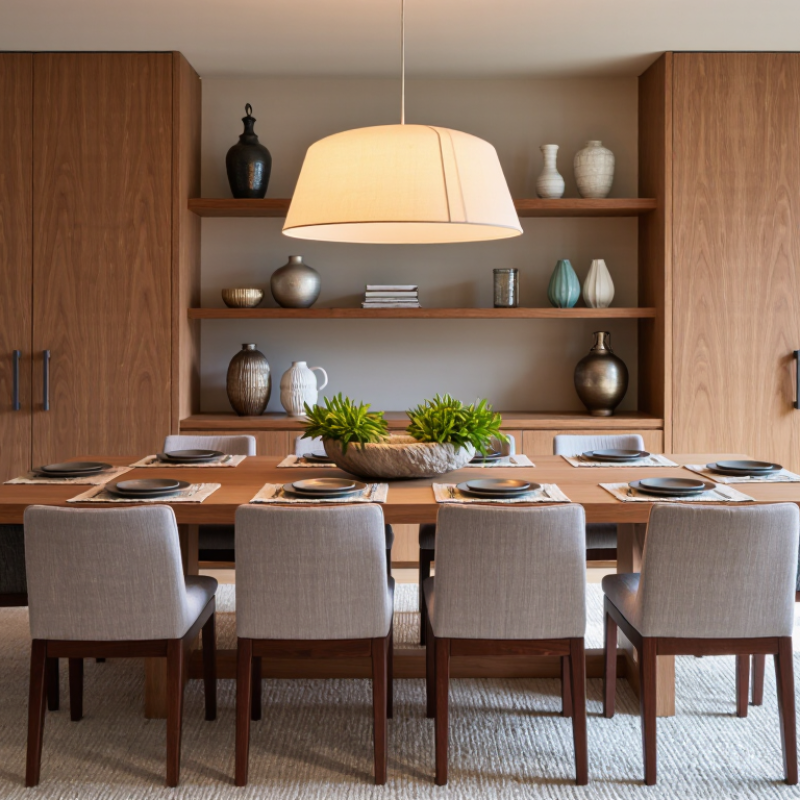
What Dining Room Decor Manufacturing Includes in China
What Dining Room Decor Manufacturing Includes in China
Dining room decor manufacturing in China covers a broad mix of products, from pendant lights and table centerpieces to wall panels, mirrors, and textile accents. The process often starts with drawings, dimensions, and material choices. A factory may cut wood, shape metal, cast ceramic, or sew cushions, depending on its equipment and specialist partners. Details matter. A brushed finish, for example, can look different under warm dining-room lighting than it does in a workshop.
Production also includes surface treatment, assembly, quality checks, and protective packaging. Inspectors may check a mirror’s edges, test a lamp’s fit, or compare a finished item with an approved sample. Some manufacturers handle design and production in one facility; others coordinate outside workshops. That distinction can affect lead times and consistency. A sample is useful, but it cannot reveal every variation in a larger production run. Buyers should clarify measurements, finishes, packaging, and inspection steps before confirming an order. Even careful specifications may leave room for interpretation, so clear photos and written notes help reduce avoidable surprises.
How to Assess Chinese Dining Room Decor Manufacturers
Assessing Chinese dining room decor manufacturers takes more than comparing catalog photos and prices. Ask for samples made with the same materials and finishes as the proposed order. Check dimensions, surface consistency, sharp edges, and how easily each piece can be cleaned. For fabric items, rub a damp white cloth over a colored area to look for dye transfer. Small checks matter. A sample may look excellent under showroom lights but feel different beside a home’s natural daylight.
Review how the manufacturer controls production, not only what the sales team promises. Request a clear specification sheet, material details, inspection steps, and realistic lead times. If possible, arrange a factory video call and ask to see the work area, packaging process, and finished goods awaiting shipment. Confirm that export cartons protect fragile corners and surfaces; request photos of a packed trial carton. Communication is evidence too. Note whether answers address measurements and tolerances, or stay vague. One limitation is easy to miss: a pre-production sample cannot prove every unit will match. Set written acceptance criteria and agree how defects will be recorded before placing an order. A little extra time here can prevent costly surprises later.
Profiles of 10 Notable Dining Room Decor Manufacturers in China
China’s dining room decor industry includes specialists in furniture, lighting, and finishing details. These ten capability-based profiles are not a ranking or endorsements; each describes a manufacturer type buyers may encounter.
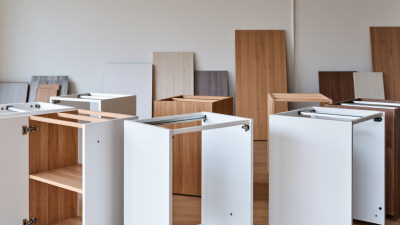
A solid-wood table maker can show grain samples and explain moisture control. An engineered-wood storage producer may offer sideboards with adjustable shelves and concealed hinges. A metal-frame chair workshop should provide finish samples and inspect weld consistency. Upholstered seating makers can discuss foam density, fabric rub tests, and removable covers. Details matter. Glass-top specialists need clear information about edge finishing and packing protection. Ceramic and stone decor makers should document dimensions, surface variation, and care requirements.
Lighting manufacturers may offer pendants sized for different table widths, but confirm wiring and finish options directly. Mirror producers can clarify backing, frame materials, and carton design. Textile workshops may supply runners or chair cushions in coordinated colors; request physical swatches, since screens distort shades. Custom decor factories can combine materials or adapt dimensions, though revisions may affect lead times. Before selecting any supplier, compare current samples, production tolerances, packaging, and written specifications. A polished catalogue alone proves little. Real quality is easier to judge through consistent samples and clear answers, and even then, some variation is normal.
Products, Materials, and Manufacturing Capabilities
China’s dining-room manufacturers vary widely in product range and factory capability. CSIL’s World Furniture Outlook 2024 estimates global furniture production at roughly US$500 billion in 2023, with China the largest producing country. That scale supports options from solid-oak tables to compact dining sets with steel legs. Yet a large factory is not automatically a good fit. Ask whether it can control wood moisture, veneer matching, edge finishing, and repeatable color across batches.
Materials shape both appearance and performance. Solid wood offers repairability, while engineered panels can improve dimensional consistency and reduce cost. Veneer gives a natural grain effect, but poor bonding may show at corners. Details matter. For chairs, inspect joints, seat foam density, fabric abrasion results, and the underside of the frame. Request test records and a sample made with the intended materials, not just a showroom piece. Manufacturing capability also includes machining accuracy, finishing lines, packaging design, and clear inspection procedures.
Tips: Ask for written material specifications, moisture readings, and carton drop-test results. Check one assembled sample under warm light; finishes can look different in a home. A small flaw may be acceptable, but repeated flaws are a warning. Factory claims deserve verification.
Dining Room Furniture Materials: Typical Density
A material comparison relevant to dining tables, chairs, and cabinets. Values are approximate representative densities in kg/m³; actual density varies by species, grade, and moisture content.
Lighter materials can simplify handling, while glass and metal add weight and may require different cutting, joining, or finishing processes. Density alone does not determine durability or manufacturing capability.
Key Factors for Choosing a Chinese Manufacturer
Choosing a Chinese dining room decor manufacturer starts with a clear product brief. Specify dimensions, wood species, fabric type, finish, packaging, and acceptable color variation.
Details matter.
A “natural oak” finish can look different under warm showroom lights than beside a window at home. Ask for material samples and a pre-production sample, then compare them with your written specifications.
Check how the factory controls quality, not just how polished its catalogue appears. Request photos of in-process checks, carton drop-test results where relevant, and details about how defects are recorded.
A polished showroom photo is not proof.
Ask about minimum order quantities, lead times, payment stages, and who handles export packaging. Get key terms in writing, and clarify how changes affect cost or delivery. Communication is part of quality. If answers stay vague, production may be vague too. Video calls can help, but they cannot replace independent inspection for a large order. That adds cost, and it may feel excessive for a small trial run; still, skipping it is a risk worth weighing.