Leave Your Message

What Are the Top Kitchen Design Trends in China?

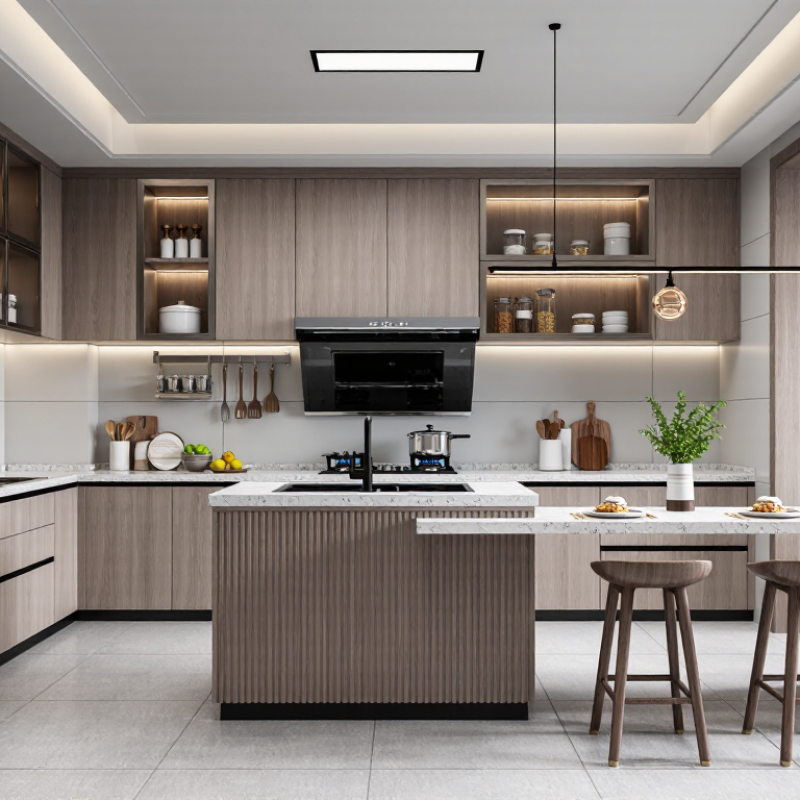
Kitchen Design in China is changing alongside urban lifestyles, compact apartments, and growing interest in practical, personalized homes. Today’s kitchens often combine cooking, dining, storage, and socializing in one carefully planned space. Think pale oak cabinets, stone-look counters, concealed appliances, and a narrow island that doubles as a breakfast bar. Small details matter, too: deep drawers can make cookware easier to reach, while layered lighting helps distinguish food preparation from relaxed evening meals. Still, a beautiful island can become an obstacle if it narrows the main walkway. Trends need to fit real routines.

Interior designer Nate Berkus has said, “Your home should tell the story of who you are, and be a collection of what you love.” That principle offers a useful lens for examining Chinese kitchen trends: technology and polished finishes matter, but so do personal habits and local cooking needs. A household that cooks frequently may value strong ventilation, durable work surfaces, and accessible storage more than a spotless, minimal look. Smart appliances can add convenience, yet they are not automatically the best choice for every home. Sometimes, the simplest solution works.

This guide explores the ideas shaping kitchen design in China, from flexible layouts and integrated storage to material choices and smart features. It also considers where popular looks may fall short, especially in smaller homes. Trends are useful starting points, not rules. A kitchen should feel good to use on an ordinary Tuesday, not only in a showroom photograph.
What Are the Top Kitchen Design Trends in China?

Key Factors Shaping Kitchen Design in China

China’s kitchen design is shaped by compact homes, changing household sizes, and daily cooking habits. The Seventh National Population Census reported an average household size of 2.62 people in 2020, down from 3.10 in 2010. The National Bureau of Statistics put China’s urbanization rate at 66.16% in 2023. Together, these figures point to growing demand for kitchens that use space efficiently, though they do not describe every household.

Space is precious. In many apartments, a narrow work triangle, shallow storage, and clear counter space matter more than a dramatic island. Yet Chinese cooking can involve oil, steam, and several dishes at once. Strong extraction, easy-clean splashbacks, and separated prep zones are practical choices. Household needs also differ: older residents may value reachable storage and slip-resistant flooring, while younger households may prioritize appliance capacity. A sleek layout can still fail if ventilation or workflow is an afterthought.

Tips: Measure the actual cooking path before choosing cabinets. Keep frequently used pans near the hob, and leave a clear landing area beside it. Treat open shelving cautiously; it looks airy, but grease makes upkeep harder. Recheck appliance power and ventilation requirements with a qualified installer.
Modern Layouts for Compact and Open-Plan Homes

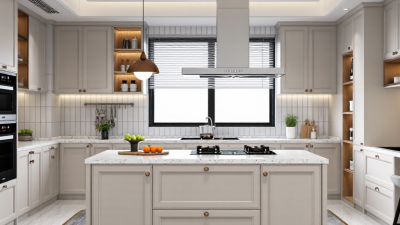
In many Chinese homes, the kitchen must work hard without taking over the living area. An open-plan layout can make a compact apartment feel brighter, especially when daylight reaches the counter from a nearby window. A peninsula can separate cooking from dining without closing off the room. Keep the route between the sink, hob, and refrigerator clear; even a small obstruction becomes annoying during daily meal preparation.

Storage should follow real habits, not showroom symmetry. Deep drawers make pots easier to reach, while a narrow pull-out can use the gap beside a cabinet. Put frequently used bowls near the preparation area, and keep heavier items low. A clear counter helps, but not every appliance needs to be hidden. Too many cabinets above eye level may make a small kitchen feel crowded.

Materials also affect how the space lives. Matte surfaces can soften glare, while a continuous floor finish may visually connect the kitchen and living area. Ventilation deserves careful planning in open layouts, since cooking smells travel. A small dining table can double as extra preparation space, though this compromise may feel awkward when several people cook together. Measure appliance doors and walking paths before choosing cabinetry; plans on paper can be misleading.

Materials, Colors, and Finishes Gaining Popularity

In many Chinese homes, kitchen design is moving toward quieter, more tactile finishes. Warm wood cabinetry, pale stone-look surfaces, and brushed stainless steel bring texture without making a compact room feel busy. Large-format porcelain or sintered surfaces are popular for counters and splashbacks because they are relatively easy to wipe clean. Still, seams and edges need careful installation; a beautiful slab cannot hide poor workmanship.

Color choices are softening. Warm white, sand, and greige pair well with muted sage or charcoal details. These shades can make a narrow kitchen feel calmer, especially when daylight is limited. Matte cabinet fronts reduce glare, while a satin finish may be easier to clean around handles. Gloss can brighten a dim space, but fingerprints show quickly. Trends are not universal, and local climate, ventilation, and cooking habits should guide material choices. Sometimes the “perfect” finish is simply impractical.

Tips

Test samples beside your actual lighting, then check them at morning and evening. Wipe a sample with oil and water before choosing. A small mismatch is easy to overlook in a showroom, but not beside your sink.

Smart Appliances and Space-Saving Storage Solutions

Smart kitchen design in China is shifting from gadget display toward useful automation in compact homes. IDC’s China Smart Home Device Market Quarterly Tracking Report projected 278 million smart-home device shipments in 2024, up 7.1% year on year. This covers the wider smart-home market, not kitchens alone, but it signals growing interest in connected devices. In practice, a timed cooker, voice-controlled lighting, or a leak sensor can make daily routines easier. Keep controls simple. A crowded app menu can be less helpful than a clear switch.

Storage deserves equal attention. Deep drawers make pots easier to reach than low cupboards, while narrow pull-outs can use the gap beside a refrigerator. Full-height cabinets add capacity, but poorly planned shelves may hide food and encourage waste. Measure appliances, door swings, and walking space before ordering cabinetry. Leave ventilation and service access around built-in equipment; a seamless look is not worth difficult repairs. Honestly, smart features can feel impressive in a showroom yet go unused at home. A better plan starts with cooking habits, counter space, and the items used every day.

Sustainable Design and Traditional Chinese Influences

In Chinese kitchens, sustainability has to survive daily cooking, not just look calm in a photograph. A 2023 Global Status Report from the Global Alliance for Buildings and Construction estimates that buildings and construction produced 37% of global energy- and process-related carbon emissions in 2022. This is global data, not a China-only measure, but it underlines why durable materials and efficient lighting matter. Choose easy-to-clean recycled-content tiles, long-lasting cabinet hardware, and task lights that illuminate chopping areas without lighting the whole room. Small choices add up. Still, “eco-friendly” finishes can disappoint if they chip quickly or cannot be repaired.

Traditional Chinese influence works best through useful details. A pale timber screen can echo latticework while letting air and light pass; a slim shelf can keep tea tins and dried ingredients within reach. Muted ink, warm wood, and stone-like surfaces bring a quieter character than literal decorative motifs. Plan strong ventilation around the wok, and keep frequently used tools close to the cooking zone. That practical clarity is part of the design. There is a tension here: open shelves feel welcoming, yet collect grease in a busy kitchen. I would use them sparingly, and admit that even a careful plan may need adjusting after real cooking begins.