China Top 10 Personal Space Products for Global Buyers
Personal Space has become an important consideration in offices, schools, healthcare settings, and shared work environments. Buyers often need privacy without sacrificing access, airflow, or everyday comfort. China offers a broad range of products, from compact desk screens to enclosed acoustic pods. Yet a product photo rarely tells the whole story. Details matter.
This guide introduces ten Personal Space product categories for global buyers and explains what to examine before requesting a quote. Look closely at dimensions, frame materials, fabric or panel options, sound-control claims, ventilation, and assembly requirements. Ask suppliers for clear specifications, current product images, warranty terms, and samples when practical. For acoustic performance, request test information and check that the stated method matches your intended use. Claims can vary, so compare evidence rather than relying on labels alone.
A practical shortlist should also account for shipping volume, installation conditions, cleaning routines, and replacement-part availability. A privacy screen that works at one desk may feel cramped in another layout. Fit comes first. Buyers should confirm requirements with their own teams and qualified advisers, since building, safety, and purchasing rules differ by market. This overview is a starting point, not a substitute for supplier checks. Some comparisons will remain imperfect: product data is not always presented consistently, and the lowest price may not reflect long-term value. With careful questions, global buyers can identify options that suit their space, budget, and daily needs.
Understanding Personal Space Products and Their Everyday Uses
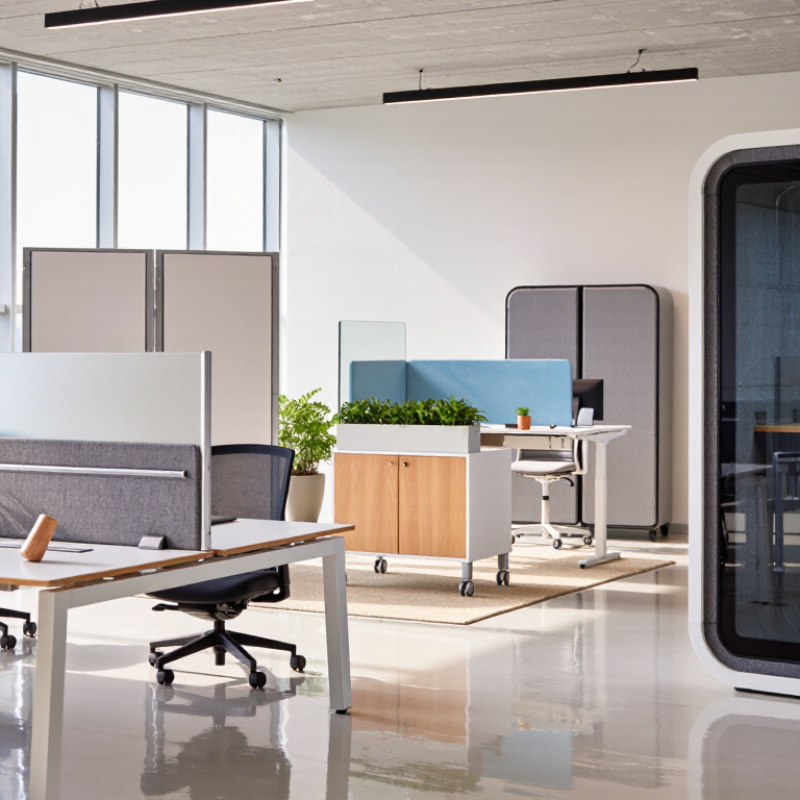
Personal space products help people create a little privacy without changing a room’s structure. A folding screen can separate a bed from a work area in a small apartment. A desk partition gives coworkers a visual boundary during focused tasks. Curtains, portable dividers, and acoustic panels serve different needs, so they are not interchangeable. Some reduce sightlines; others soften nearby conversation.
At home, a compact room divider can make video calls feel less exposed. In shared offices, desk screens may limit visual distractions while keeping a workspace open. A soft panel beside a desk can also reduce echoes, though it will not make a busy room silent. Small changes matter. Measure the space before buying: check the divider’s height, base width, and folded dimensions. A product that looks slim online may block a walkway when opened.
For global buyers, materials and construction affect daily use. Lightweight panels are easier to move, while heavier bases may feel steadier on hard floors. Check whether fabric covers can be cleaned and whether hinges feel secure after repeated folding. Not every room cooperates. A screen may wobble on uneven flooring, or its color may look different under warm indoor lights. These details are easy to overlook, but they shape whether a privacy product stays useful beyond the first week.
China Top 10 Personal Space Products for Global Buyers
Understanding personal space products and their everyday uses
The chart compares ten commonly available product types by the number of everyday settings in which they can be useful. Counts are curated examples of use contexts, not sales figures, market-share estimates, or survey results.
China’s Top 10 Personal Space Products for Global Buyers
China’s Top 10 Personal Space Products for Global Buyers
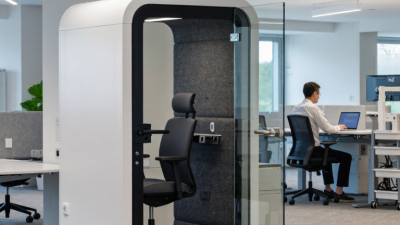
For buyers creating quieter, more focused work areas, Chinese suppliers offer a broad range of personal-space products. Common options include portable privacy screens, desk partitions, acoustic desk panels, foldable room dividers, ceiling-hung acoustic screens, compact work pods, phone booths, privacy curtains, monitor hoods, and modular meeting cubicles. Each serves a different need. A fabric screen can soften visual distractions, while a phone booth gives one person room for a private call.
Fit matters.
Before placing an order, compare dimensions, materials, assembly methods, and cleaning requirements. Ask for product specifications and clear photos of joints, hinges, and fabric edges. For acoustic products, request test details rather than relying on vague claims. Noise reduction depends on the room, installation, and surrounding surfaces.
It is easy to overlook ventilation in a small pod. Don’t. Samples can reveal odors, awkward fasteners, or colors that differ from online images. I would not assume every product suits every office; even a well-made divider may feel cramped on a narrow desk.
Check packaging and replacement-part availability, too.
Small details matter.
A careful trial order can expose problems before a larger shipment reaches its destination.
Comparing Product Types, Features, and Use Cases
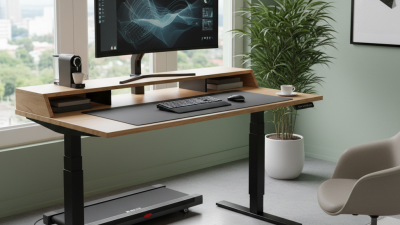
Personal space products serve different needs, so buyers should compare privacy, sound control, mobility, and setup. Desk dividers create a clear boundary around shared workstations. They are compact, but offer limited sound reduction. Folding screens provide more visual coverage and suit temporary work zones or changing areas. They need floor space.
For quieter calls, acoustic panels soften nearby speech without fully blocking it. Phone booths offer stronger separation, but require more space, ventilation, and installation planning. Monitor privacy filters protect on-screen visibility from side angles; desk canopies reduce visual distractions overhead. Small details matter. Check screen dimensions, panel thickness, fabric cleaning instructions, and whether parts can be replaced.
Portable privacy tents and changing screens work well for events, clinics, or shared facilities. Privacy curtains are lighter and easier to move, though gaps may remain at the edges. Sound-masking devices can make conversations less distinct, but they do not create physical privacy. A reflective point for global buyers: product names can hide major differences in materials and performance. Request measurements, test samples, and clear assembly instructions before comparing prices. A low-cost divider may fit a quiet home office, while a busy coworking space may need sturdier panels and better acoustic treatment.
Quality, Safety, and Compliance Factors to Consider
When comparing privacy screens, desk partitions, portable dividers, and acoustic panels, look beyond product photos. Ask for dimensions, material details, edge finishing, and clear assembly instructions. A panel that wobbles on a smooth floor may fail in daily use, even if it looks sturdy online. Check hinges, feet, and fasteners for sharp edges or loose parts. Small details matter.
Safety needs to match the product’s intended setting. For fabric or foam components, request relevant fire-performance and chemical-emissions test reports for the destination market. For products with lights or powered features, verify electrical documentation and protective design. Requirements differ by country and product type, so confirm them with a qualified local specialist before ordering. A certificate image alone is not enough; check its scope, issuer, and product model.
Tips: Request a sample and inspect it under ordinary office lighting. Open and close moving parts several times, then check for odor, noise, and loose stitching. Keep test reports, specifications, and agreed tolerances with purchase records. No checklist is perfect. Consider packaging tests for long-distance freight, too; a dented frame can turn a compliant product into a disappointing delivery. Revisit your checks after the first shipment.
How to Source and Evaluate Chinese Suppliers
China Top 10 Personal Space Products for Global Buyers
How to Source and Evaluate Chinese Suppliers
Personal-space products, from acoustic desk screens to folding partitions and compact privacy booths, can look deceptively simple. Performance depends on frame stability, fabric density, sound absorption, and consistent assembly. UNIDO’s International Yearbook of Industrial Statistics 2023 puts China’s share of global manufacturing value added at roughly 30% in 2021. That scale offers buyers broad choice, not guaranteed quality. It is easy to miss.
Start with a written specification covering dimensions, materials, tolerances, load limits, finishes, packaging, and test methods. Request the supplier’s business details, factory address, production photos, and recent inspection records. Verify production through a live video tour or independent audit; a trading office may not control the factory. Test samples for seam strength, wobble, odor, sharp edges, and carton damage. For sound-performance claims, request lab reports that identify the test standard, sample construction, and frequency range. Check that the tested sample matches the quoted product.
Tips: Approve a production sample and define acceptance criteria in the purchase contract. Arrange a pre-shipment inspection against that sample, keeping dated photos. The process takes time. Skipping checks can cost more.